 Afət Ziyadqızı

Laboratory tests conducted on horses and mosquitoes in the Belgian city of Mechelen have confirmed the spread of the West Nile virus. The Operative Information Center-OMM reports that local health authorities have issued a directive to hospitals and physicians, urging them to consider potential symptoms of the virus during patient examinations.
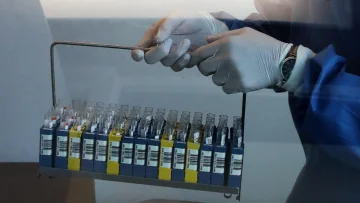
In addition to these measures, the Belgian Red Cross has announced that it will begin screening blood donors for the West Nile virus in the Vilvoorde area near Brussels. Professor Hans Nauwynck, head of the Laboratory of Veterinary Virology at Ghent University, stated that the virus was first detected among birds last year. According to the professor, the infection, which primarily spreads through crows and birds of prey, has now been recorded in horses as well.
The expert emphasized that while the probability of direct human-to-human transmission is very low, there is a risk of infection during blood transfusions, making the testing of blood donors a critical precautionary step. According to data from the European Centre for Disease Prevention and Control (ECDC) as of August 21, 625 cases of West Nile virus infection have been recorded across 12 European countries since the beginning of the year. Italy leads the list with 311 cases, followed by Greece with 157 and Spain with 63.
The West Nile virus is a mosquito-borne disease that typically manifests with mild or no symptoms in the majority of infected individuals. However, in some cases, it can cause headaches, muscle pain, and high fever. In rare instances, the virus may lead to meningitis, resulting in severe or even fatal outcomes. Experts note that mild winters and dry summer conditions create favorable environments for the proliferation of mosquitoes that carry the virus.