OMM Newsroom

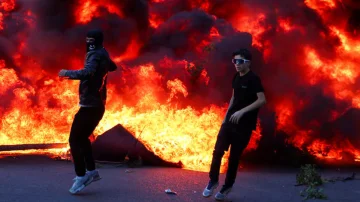
Protesters have clashed with anti-riot police in Albania’s main cities, where government buildings and some businesses have been attacked. The demonstrations, which began in Tirana, have spread to Durrës, Shkodër, Korçë and Vlora, according to the BBC.
The latest protests were announced as a student movement calling for government action over the cost of education, including fees and books, as well as the rising cost of living. Secondary school pupils joined, increasing the number of demonstrators.
Masked protesters threw stones at police, who responded with water cannon, tear gas and batons. Anger intensified after a young man with a broken leg was carried away from the scene. The education ministry building and other government institutions were set on fire, the BBC reported.
Student protests follow months of anti-government demonstrations
Tirana had already seen months of protests by an anti-government movement known as the “Flamingo” movement. For about 140 consecutive days over the summer, demonstrators in the capital held images of a pink flamingo and called on Prime Minister Edi Rama to resign.
The movement began in opposition to a large tourism development planned for the Adriatic coast and linked to US President Donald Trump’s son-in-law, Jared Kushner. Demonstrators warned that the project could threaten flamingos on an island near the coastal city of Vlora.
Anger has also grown over corruption allegations involving ministers and other senior officials. One deputy prime minister has left the country, while another has been ordered to step down as investigations continue.
The flamingo demonstrators have said they are not affiliated with a political party. Their slogan has included “Rama in jail, Berisha in jail”, referring to Rama and opposition leader Sali Berisha, a former prime minister and president.
After months of peaceful demonstrations, the movement’s numbers declined, with protesters saying their demands had not been met. Several young demonstrators told the BBC that the recent unrest marked a new phase after their earlier protests were met with what one called “humiliation, ridicule, mockery”. Another protester said she was worried about what might happen next.
The BBC reported that the two protest movements may overlap, although flamingo movement leaders have not publicly confirmed a connection and no student movement representative has come forward.
Rama blames opposition leader as unrest continues
Rama has visited damaged buildings and accused Berisha of inciting chaos. On Friday, he described the unrest as the work of a force that had “burned and destroyed Albania more than once”. He ruled out resigning and said he would listen to legitimate concerns.
Berisha’s Democratic Party has repeatedly sought to mobilise people against Rama, but the number of its loyal supporters at earlier protests was lower than the turnout at the current demonstrations. The BBC reported that this has prompted doubt about Berisha’s ability to direct the unrest, although he could seek to benefit from it.
Albanian media have also raised the possibility of foreign intelligence services being involved. Allegations against Serbia have been made without evidence, with some commentators suggesting Belgrade resents Albania’s prospects of joining the European Union. Rama echoed claims of foreign involvement on Friday, saying some actors did not want Albania to become part of a united Europe.
The violence has taken place in several cities but remains contained for now. The UK government has advised visitors to follow local authorities’ guidance, check media reports and avoid demonstrations, large gatherings and political rallies.
Albania is a popular tourist destination. The government in Tirana has warned that the unrest could damage the country’s image, tourism and its European ambitions.