 OMM Redaksiyası

Israeli restrictions on access to nearly two-thirds of the Gaza Strip are the main obstacle to humanitarian relief and flood-protection efforts, the United Nations said on Wednesday.
“Our humanitarian partners stress that the main obstacle is restrictions on access to 65% of Gaza’s land,” UN spokesperson Stephane Dujarric told reporters, according to the United Nations. “The remaining 35% is already overcrowded.”
UN assesses temporary shelter locations
The restrictions come as the UN Office for the Coordination of Humanitarian Affairs and partner organisations assess emergency measures to protect families from winter rain and flooding.
Humanitarian teams inspected three potential relocation sites for temporary shelters for families willing to leave flood-prone areas near damaged structures at risk of collapse. They are also assessing more than 450 existing displacement camps vulnerable to severe flooding. Those camps accommodate roughly one-fifth of Gaza’s population, Dujarric said.
He said large-scale voluntary relocations would require extensive preparations. Explosive ordnance would have to be cleared from newly identified sites, while teams would need to level sandy ground, install water and drainage systems and lighting, open access roads, and resolve land tenure issues.
Entry restrictions hamper logistics and healthcare
Relief organisations are also facing serious logistical constraints because of restrictions on the entry of supplies. Humanitarian agencies urgently need additional Israeli permits to bring in heavy machinery, spare parts, engine oil and other critical materials, Dujarric said. They also require funding for emergency fuel and durable materials to repair damaged buildings.
The operational difficulties have also affected healthcare. Aid workers are training local personnel to manage “noncommunicable diseases”, but shortages of medical supplies are limiting screening and treatment.
Specialised cancer care remains particularly affected, with critical gaps in chemotherapy and radiotherapy supplies. Diagnostic services are also being disrupted by shortages of generator fuel and mechanical parts, according to Dujarric.
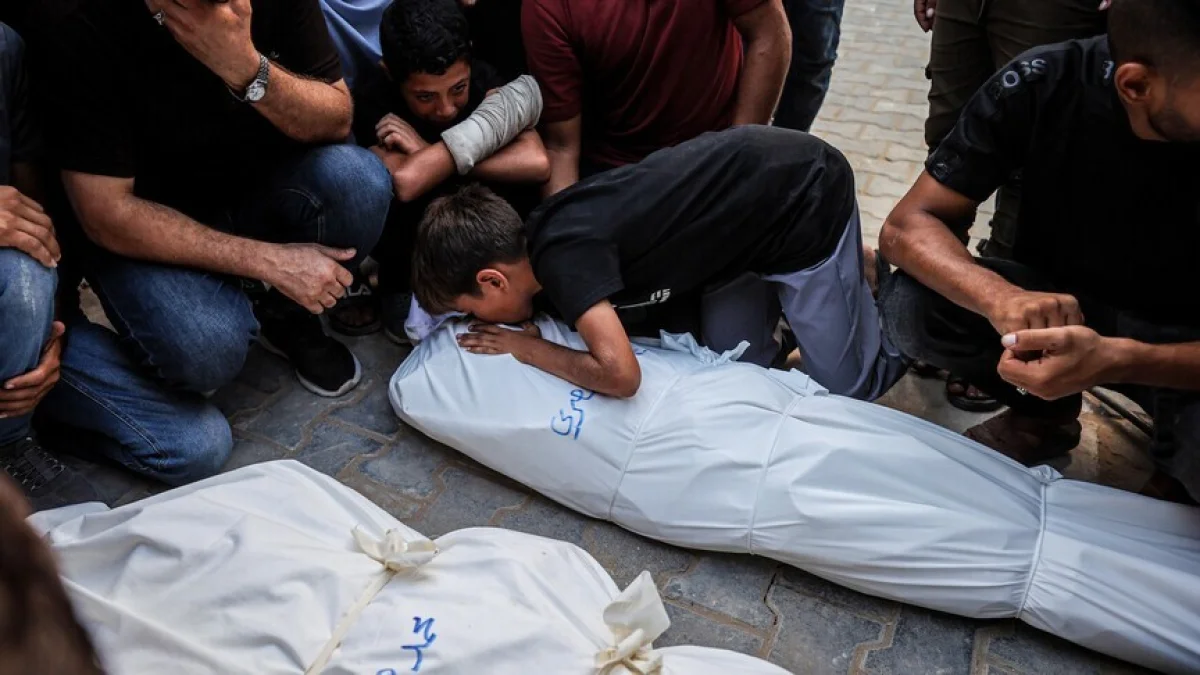
Since October 8, 2023, Israel’s military operation in Gaza has killed more than 74,000 Palestinians and injured over 175,000, while 90% of the enclave’s infrastructure has been destroyed, according to the source material.
Gaza’s Health Ministry said on Wednesday that Israeli violations of the October 2025 ceasefire agreement had killed 1,431 Palestinians and injured 5,026 others.