OMM Redaksiyası

Bank of England Governor Andrew Bailey has called for rigorous testing of artificial intelligence systems to identify vulnerabilities and establish safeguards before governments turn to regulation.
In his first article for Substack, Bailey said the risks associated with AI were “real and increasingly significant”, while stressing that the technology’s development should not be halted or prohibited.
“On the contrary, the benefits are immense,” Bailey wrote, adding that there must be a system for intervention and clear boundaries within which AI operates.
Bailey calls for faster testing
Important work is already under way in the United Kingdom to test AI systems, Bailey said, pointing to the country’s AI Security Institute as part of efforts to develop standards.
“But the pace of progress must accelerate,” he said, adding that society should proceed “with a degree of humility”.
Testing would inevitably reveal failures and cases in which models behaved unexpectedly, Bailey said.
“That is not evidence that testing has failed, rather it is evidence of why testing is necessary,” he added.
Regulation may follow later
Bailey said testing should not be regarded as an alternative to future regulation, noting that a more formal regulatory framework could emerge over time.
“But regulation is not, in my view, the right place to start,” he said.
The governor specifically highlighted so-called frontier AI — highly advanced, self-learning systems. Without effective intervention mechanisms, he warned, such systems could become “a closed loop in which the model progressively governs itself”.
Trump backs continued AI development
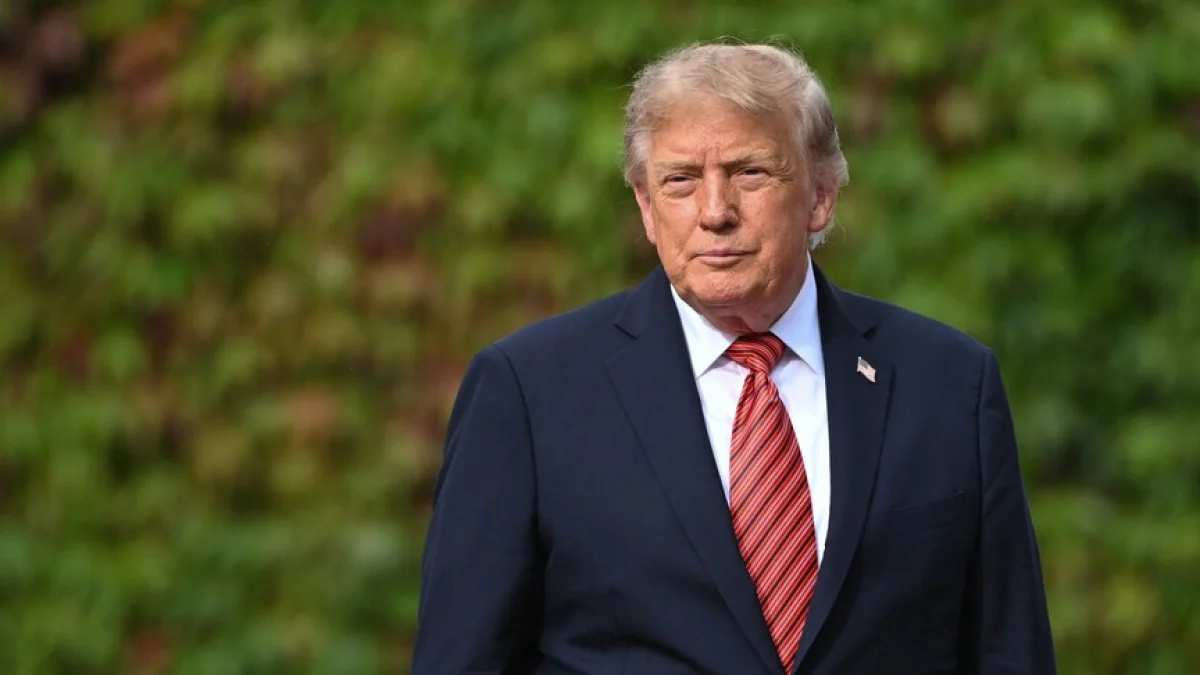
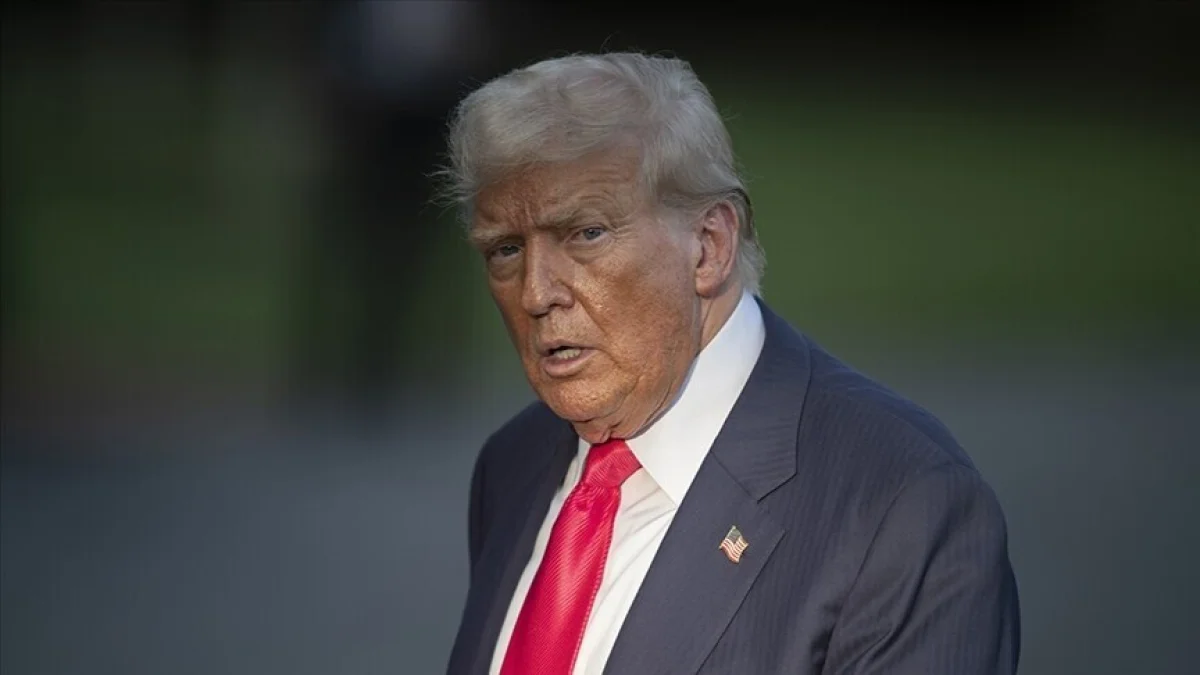
US President Donald Trump, meanwhile, has rejected calls for a slowdown, saying the United States is leading the AI race ahead of China.
“And, frankly, I want to keep it that way because whoever wins AI, wins,” Trump said.
After meeting executives from “OpenAI”, “Anthropic”, “Nvidia”, “SpaceX”, “Meta” and “Google” on Tuesday, Trump said the companies had signed a “morally binding” document intended to provide a “form of protection” against potential AI risks.
Trump also renamed the initiative “Super Intelligence”.
The White House Accord on “Super Intelligence”, described as a “Joint Commitment on Frontier Responsibilities”, calls on companies developing and deploying frontier models to establish internal processes and controls.
The accord says the measures should ensure that systems operate as intended and that potential problems are identified and addressed quickly.
Under the accord, each participating company should implement four layers of controls and audits covering model development and deployment.