 OMM Newsroom

A severe tropical storm named "Jangmi" has disrupted daily life across central and eastern Japan, bringing intense winds and torrential rain that have crippled transportation networks and left tens of thousands of households without electricity.
Operative Information Center-OMM reports, citing international media, that the storm has halted business operations and severed critical transport links throughout the affected regions.
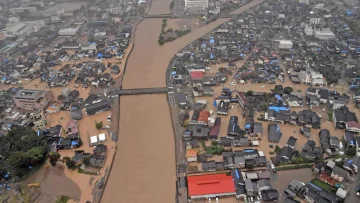
The Japan Meteorological Agency has reported that the storm's center is moving northeast from the coast of Honshu Island toward the greater Tokyo metropolitan area. With wind speeds reaching 25 meters per second, authorities have issued high-alert warnings for regions along the Pacific coast. Evacuation advisories have been issued for hundreds of thousands of residents across eight prefectures, as concerns mount regarding potential flooding, particularly near the Meguro River and other waterways near the capital.
Government spokesperson Minoru Kihara stated during a press conference that as of Wednesday morning, approximately 60,000 households were without power. Officials have urged residents in coastal and riverside areas to remain vigilant and strictly adhere to local evacuation instructions.
The natural disaster has also severely impacted air travel. Hundreds of flights have been canceled or delayed at Tokyo's Haneda Airport. Major carriers, including Japan Airlines and All Nippon Airways, have been forced to adjust their flight schedules, with nearly 900 international and domestic flights grounded as of Wednesday morning, leaving many passengers stranded.
Japan is frequently affected by typhoons, particularly during the summer and autumn months. These weather events are a significant concern for the nation's infrastructure, prompting advanced meteorological monitoring and rigorous disaster preparedness protocols to mitigate risks to public safety and economic stability.