 OMM Redaksiyası

Azerbaijan is marking the sixth anniversary of the deadly attack on Ganja on October 11. Ten civilians were killed when Armenia launched a ballistic missile strike on a residential neighborhood in the country’s second-largest city during the 44-day war.
The attack took place at about 2 a.m. on October 11, 2020, several hours after a humanitarian ceasefire between Azerbaijan and Armenia came into force. According to Azerbaijani authorities, nine people, including four women, were killed at the scene and 35 were injured. One of the injured later died in hospital.
The strike damaged more than 10 residential buildings and over 100 other facilities.
Ganja came under fire five times during the war
According to Azerbaijani authorities, Ganja was subjected to five missile and artillery attacks in October 2020 during the 44-day conflict. The attacks killed 26 people and injured 175, causing extensive damage to residential buildings, civilian infrastructure and vehicles.
During the conflict, 93 civilians were killed in Azerbaijan, including 12 children and 27 women, while another 454 people were injured. More than 12,000 residential and non-residential buildings were damaged.
Human Rights Watch also documented Armenian missile strikes on residential areas of Ganja. The organization concluded that the use of inaccurate explosive weapons in densely populated areas violated international humanitarian law.
Peace treaty negotiations continue
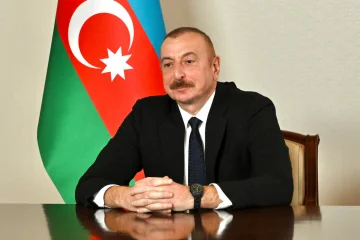
The anniversary comes as Azerbaijan and Armenia continue efforts to formalize a peace treaty. In August 2025, President of Azerbaijan Ilham Aliyev and Armenian Prime Minister Nikol Pashinyan met at the White House. As part of a U.S.-mediated process, the foreign ministers of the two countries initialed the text of a peace treaty.
The leaders also signed a joint declaration outlining steps toward normalization, including the restoration of regional transport links.
One of the key proposed initiatives is the Trump Route for International Peace and Prosperity (TRIPP), a transport corridor intended to connect mainland Azerbaijan with Nakhchivan through Armenian territory. The initiative is intended to facilitate regional trade and transport links and support a shift from long-closed borders and military confrontation toward economic cooperation.
The peace treaty has not yet been formally signed or ratified. Azerbaijan has said that, to finalize the agreement, Armenia must amend constitutional provisions that Baku says contain territorial claims against Azerbaijan. Pashinyan has said his government remains committed to signing the treaty and described peace between the two countries as an already established reality.
Fate of missing persons remains unresolved
Despite diplomatic progress, some issues stemming from the conflict remain unresolved, particularly the fate of people who went missing during the fighting. Thousands of Azerbaijanis have been unaccounted for since the First Garabagh War in the 1990s and subsequent fighting.
On October 8, Aliyev and Pashinyan discussed intensifying efforts to search for missing persons, including additional information-sharing between the two countries.
Opening transport routes is also a priority. Armenia recently announced plans to discuss with Russian officials railway links toward Azerbaijan, Nakhchivan and the Turkish city of Kars. These steps reflect continued efforts to turn political agreements into practical cooperation.