 OMM Redaksiyası

Israeli incursions into Al-Aqsa Mosque in occupied East Jerusalem took place 26 times in September, while the call to prayer was prohibited 150 times at the Ibrahimi Mosque in Hebron, the Palestinian Ministry of Awqaf and Religious Affairs said on Tuesday.
In a report on alleged violations of Islamic holy sites, the ministry said pressure on Al-Aqsa had intensified amid calls by extremist Jewish groups for more incursions. It also reported an increase in Talmudic rituals inside the compound, including public prayers and what it described as “epic prostration.”
Al-Aqsa is Islam’s third-holiest site. Jews refer to the area as the Temple Mount and say it was the location of two ancient Jewish temples. Under the historic and legal status quo, the Jerusalem Islamic Waqf, affiliated with Jordan’s Ministry of Awqaf, administers the site as a place of worship exclusively for Muslims.
The ministry said Israeli police have allowed Israelis to enter the compound through the Mughrabi Gate under police protection since 2003, despite repeated Palestinian and Jordanian calls to stop the incursions.
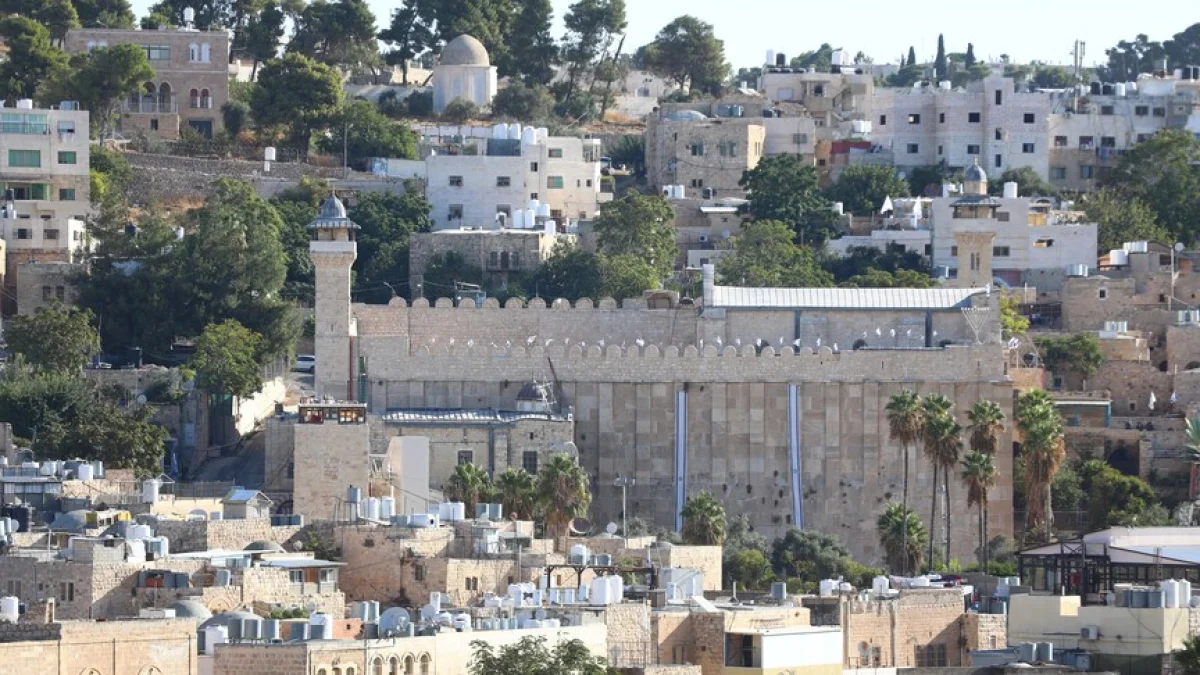
At the Ibrahimi Mosque, the ministry said restrictions on some prayer times had continued for 100 consecutive days. It also said the mosque was completely closed for six days on the pretext of Jewish holidays, while its eastern gate remained shut and its windows covered with barriers—measures it said had been in place since the beginning of 2025.
The mosque is in the Old City of Hebron, which the ministry described as being under full Israeli occupation. It said around 400 Israelis live there under the protection of approximately 1,500 Israeli soldiers. The ministry added that Israel divided the mosque in 1994, allocating 63% to Jews and 37% to Muslims, after a Jewish settler killed 29 Palestinian worshippers at the site.
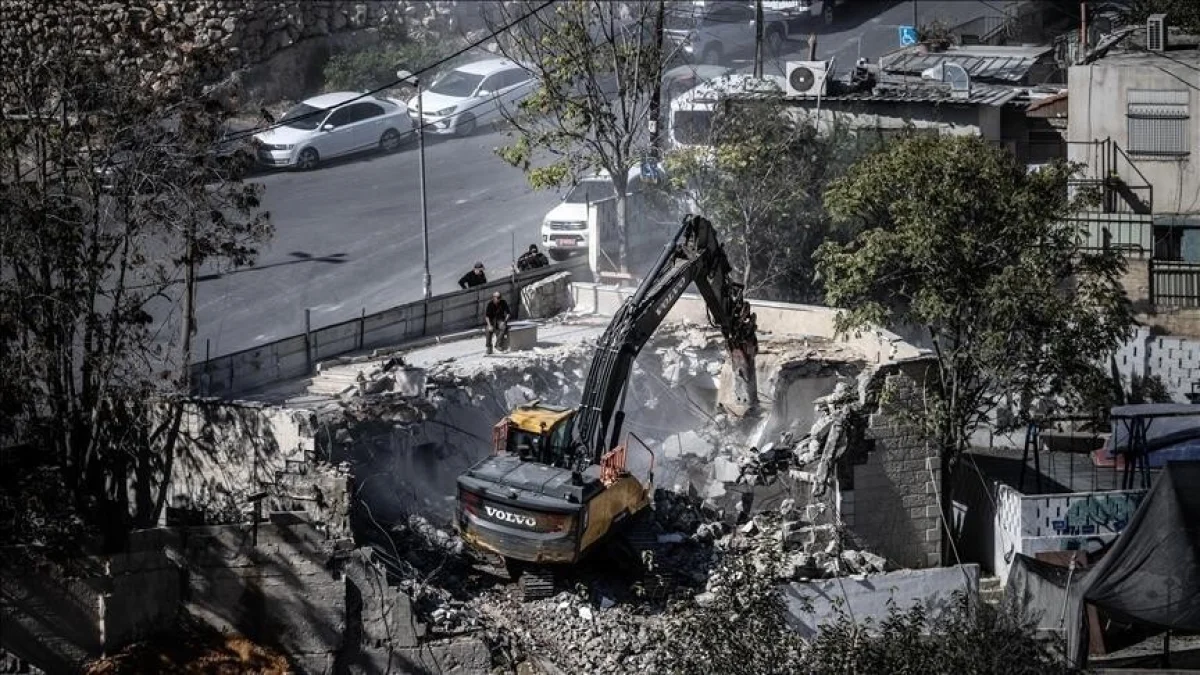
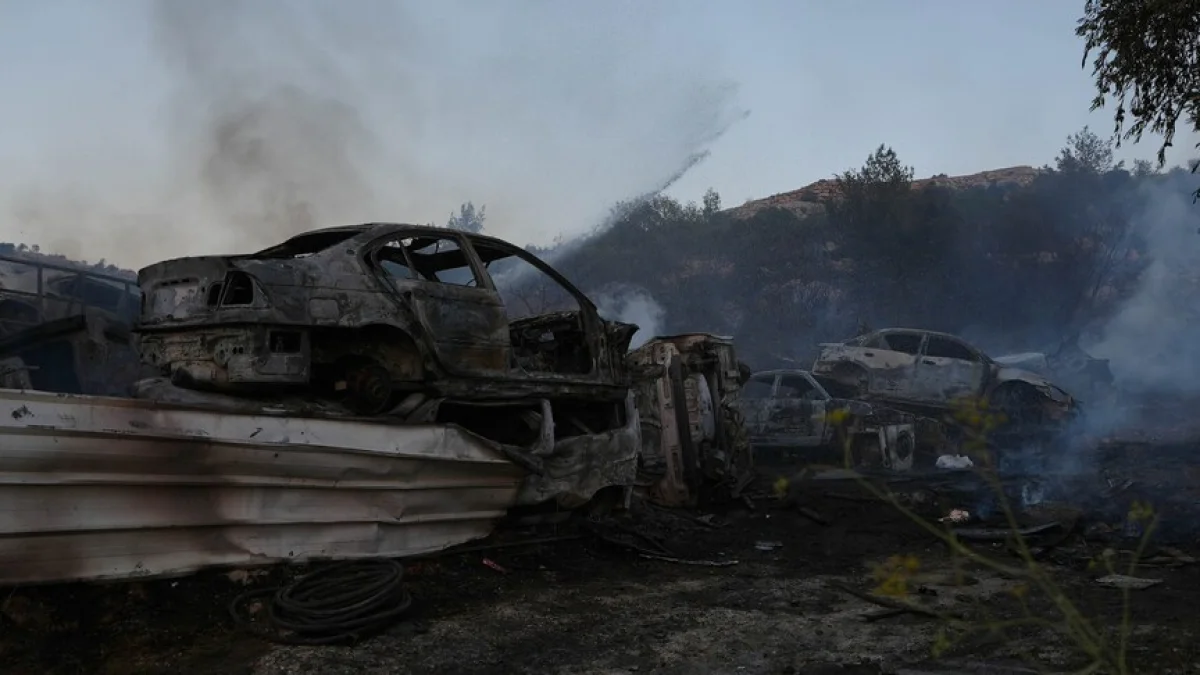
The report also cited attacks on mosques in the occupied West Bank. The ministry said Israelis set fire to the Imad al-Din Zengi Mosque in Nablus and sprayed racist slogans on its walls, while Israeli forces demolished the Al-Duwaysat prayer hall in the Al-Jiftlik area of Jericho province.
Describing the incidents as a “dangerous escalation,” the ministry called on the international community and human rights and humanitarian organisations to protect holy sites and preserve their historical and legal status quo.