 OMM Redaksiyası

Israeli National Security Minister Itamar Ben-Gvir entered the Ibrahimi Mosque in Hebron on Tuesday accompanied by hundreds of Israeli settlers, according to Israel’s Channel 14.
Footage broadcast by the channel showed Ben-Gvir inside the mosque during the visit. “When I arrive at the Ibrahimi Mosque, I draw energy that makes me want to sing and rejoice,” he said in an interview. Hundreds of settlers were visible behind him.
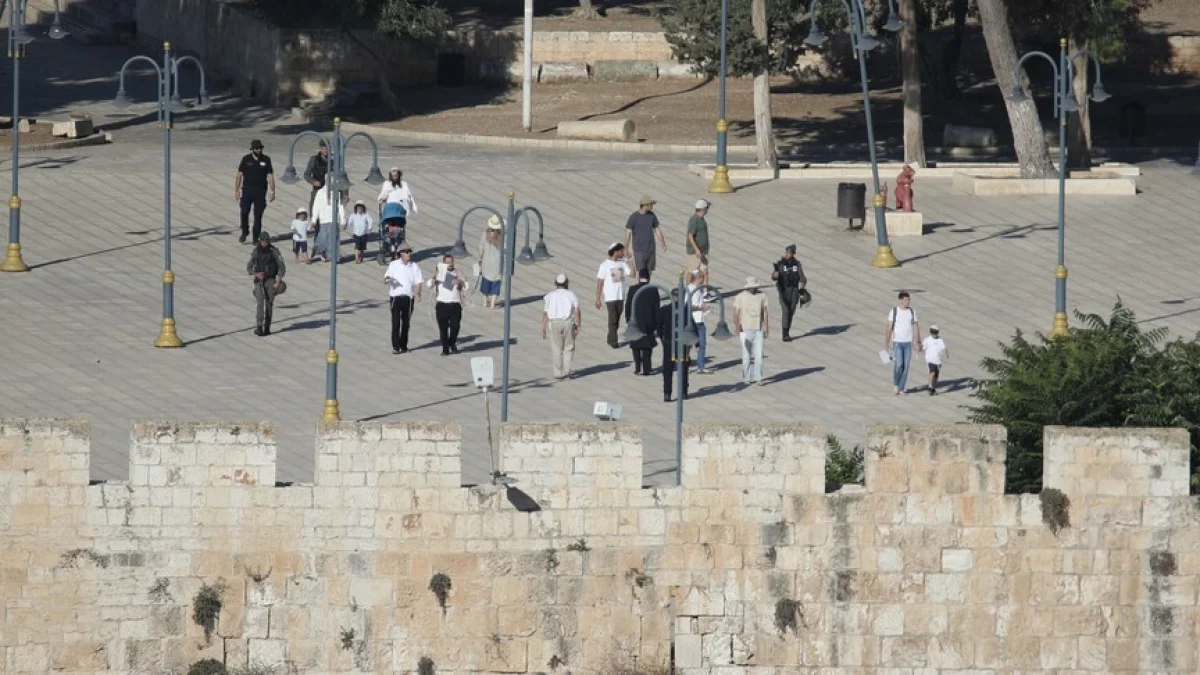
The visit came a day after Ben-Gvir entered the Al-Aqsa Mosque compound in occupied East Jerusalem during the Jewish Sukkot holiday, which began on Sunday and continues through Saturday.
Muslim worshippers barred during Sukkot
Israeli authorities announced on Monday that the Ibrahimi Mosque would be closed to Muslim worshippers during Sukkot.
The Palestinian Ministry of Awqaf and Religious Affairs said the closure prohibited Muslim prayers and the call to prayer ahead of what it described as Israeli settlers taking control of the mosque during Jewish religious celebrations.
“The measures constitute a blatant assault on the sanctity of the Ibrahimi Mosque and infringe on freedom of worship and Muslims’ right to practice their religious rituals,” the ministry said, describing the site as “an exclusively Islamic endowment.”
The ministry warned that continued Israeli measures could have serious consequences and said they sought to impose a temporal and spatial division of the mosque.
Restrictions at the mosque
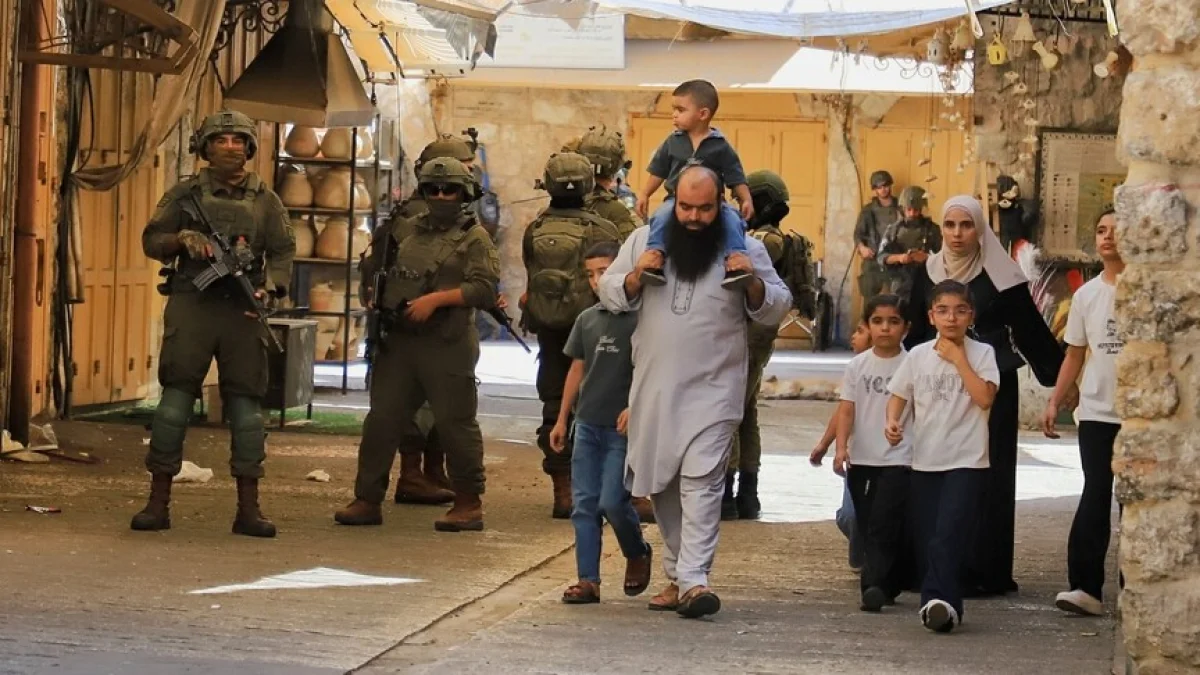
The Ibrahimi Mosque is located in Hebron’s Old City, which is under full Israeli control. About 400 Israeli settlers live there under the protection of approximately 1,500 Israeli soldiers.
Israel divided the mosque in 1994, allocating 63% of the site to Jews and 37% to Muslims. The arrangement followed the killing of 29 Palestinian worshippers by a Jewish settler at the mosque.
Under unilateral Israeli arrangements, the mosque is closed entirely to Muslims for 10 days each year during Jewish religious occasions and to Jews for a similar period during Islamic religious occasions. Since Israel launched its war on the Gaza Strip in October 2023, the mosque has not been fully opened to Muslims during their religious occasions.