OMM Redaksiyası

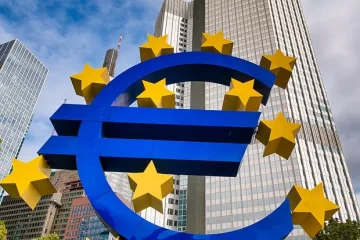
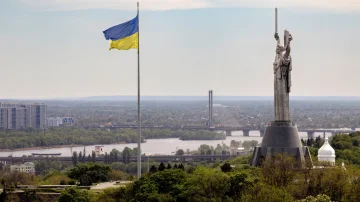
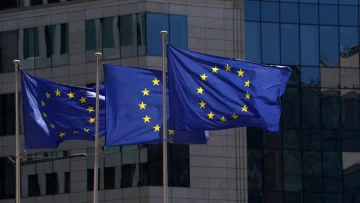
The European Union (EU) has opened negotiations in two more areas as part of Ukraine’s membership process. The clusters, opened on October 13, cover the Internal Market and Competitiveness and Inclusive Growth.
These areas include the free movement of goods, services, workers and capital, as well as competition policy, taxation, education, employment, digital transformation and economic governance.
The new phase follows the launch in July of negotiations on the EU’s external relations cluster. Ireland’s Minister of State for European Affairs and Defence, Thomas Byrne, described the opening of the clusters as an important milestone in Ukraine’s membership process.
“Today, Ukraine has taken another step on its path to EU membership,” Byrne said.
The minister said Ireland, which currently holds the rotating presidency of the Council of the EU, remains committed to advancing Ukraine’s membership bid and stressed the importance of continuing negotiations.
The EU has also set out benchmarks Ukraine must meet before the relevant negotiation chapters can be provisionally closed. Progress in aligning Kyiv’s legislation, rules and institutions with EU standards will be assessed throughout the negotiations.
Candidate countries must meet a broad range of political, legal and economic criteria to join the EU, and membership must be approved by all EU member states.
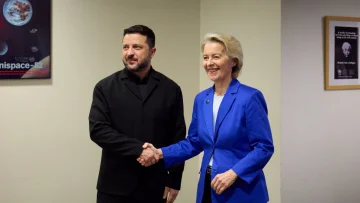
Ukrainian President Volodymyr Zelenskyy welcomed the decision as further progress in his country’s integration with Europe. In a post on the social media platform X, he thanked EU leaders and member states for their support and called for negotiations on the remaining two clusters to open by the end of the year.
“I am deeply grateful to everyone working for the security of Ukraine and Europe. Together, we are a stronger Europe,” Zelenskyy wrote.
The Ukrainian president said it was important to build on the progress made to open all six negotiation clusters.