Providing information about corruption-related offenses will not be considered unlawful disclosure if it includes information subject to access restrictions, such as professional, commercial, investigative or judicial secrets, or details concerning private and family life.
Operative Information Center-OMM reports that this provision is included in a new draft law, “On encouraging and protecting persons who report corruption-related offenses.”
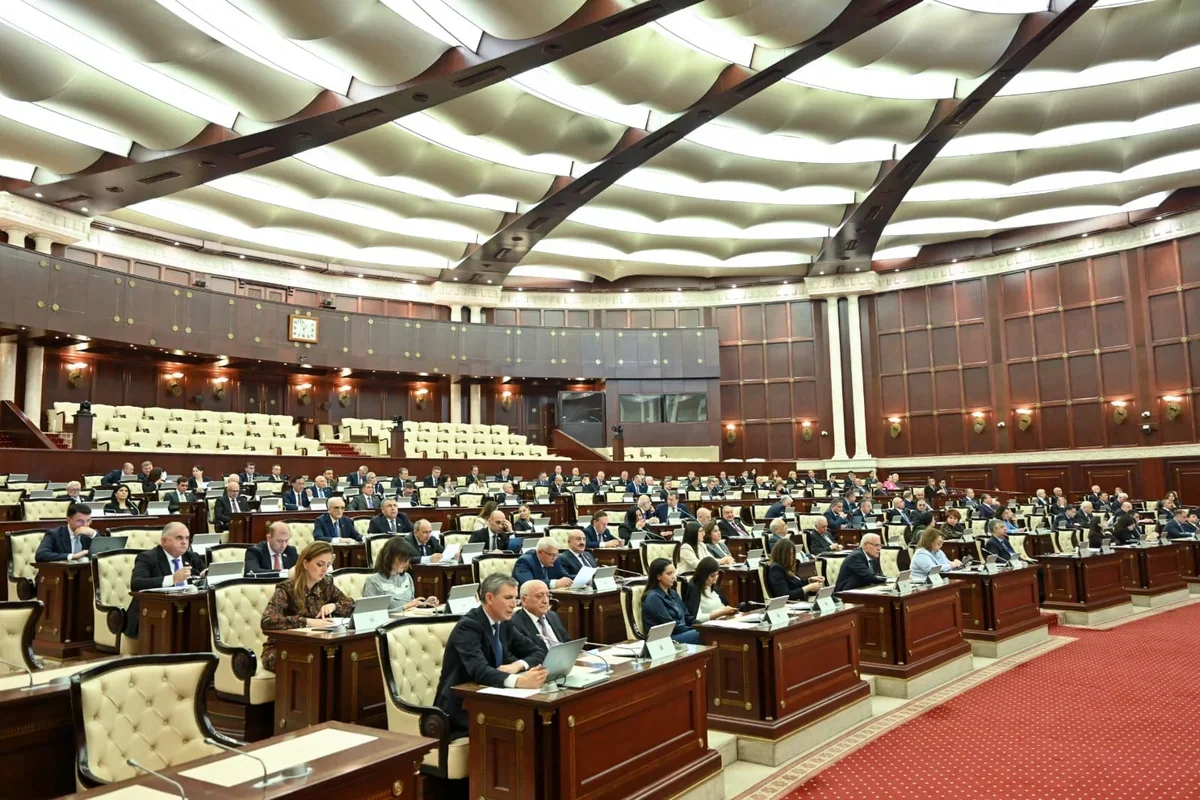
The document was discussed at a joint meeting today of the Milli Majlis (National Assembly) committees on defense, security and the fight against corruption, and on legal policy and state-building.
The draft also stipulates that knowingly providing false or defamatory information to protect personal interests or unlawfully obtain material or other benefits, privileges or concessions for oneself or others will not be considered reporting corruption-related offenses.
If a criminal case is initiated based on information about corruption-related offenses, the person who reported it may be questioned as a witness with their consent.
The proposed legislation addresses how people who report corruption-related offenses are treated and protected. It distinguishes such reports from disclosures made to obtain unlawful benefits, while also setting out how restricted information contained in a report is to be handled.