 OMM Redaksiyası

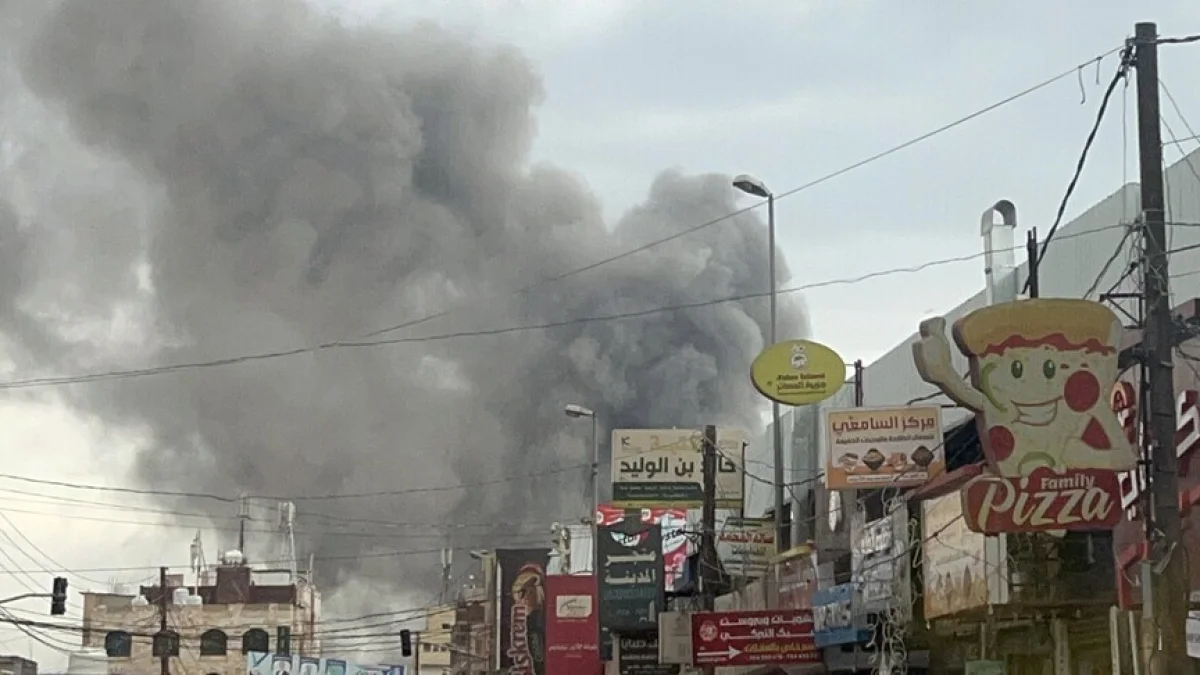
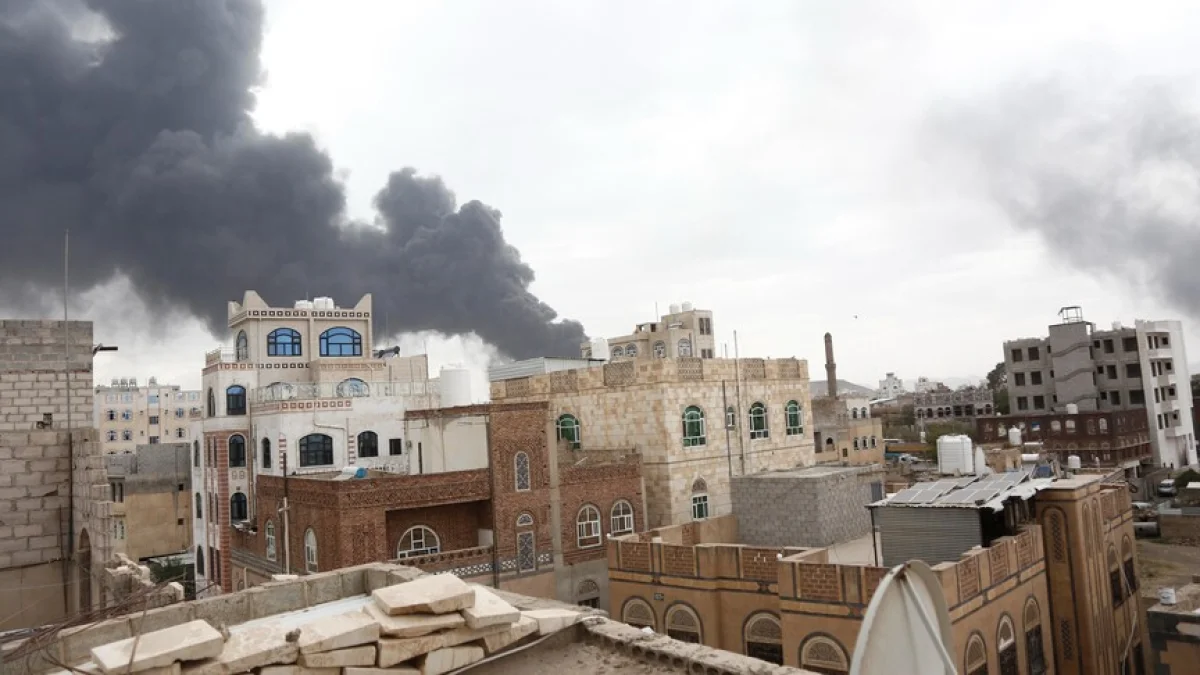
Yemen has experienced its widest military escalation in three weeks, with clashes between government forces and the Houthi group concentrated in the southwestern provinces of Taiz and Lahej. The fighting has worsened a displacement crisis that has affected nearly 198,000 people since military operations intensified in July, according to government figures.
The latest clashes were the most intense since September 10, when the Houthis took control of the strategic city of Mokha, Anadolu Agency reported, citing its monitoring of developments.
Clashes reported on several fronts
The Yemeni army said on Thursday it had repelled a major Houthi attack on several fronts in Taiz and Lahej and carried out airstrikes against the group’s positions and vehicles.
The Tor Al-Baha military axis said its aircraft conducted six strikes and that its forces had thwarted an attack across the axis’s fronts. It identified the Al-Akboush, Al-Ahkoum and Hayfan fronts south of Taiz as targets, but gave no further details.
In a separate statement, the Taiz military axis said fighting was under way in Bani Bakari in Jabal Habashi district, on the Himyar front in Maqbanah district in western Taiz, and on the Al-Aqroud front in the province’s southeast. It said Houthi forces had suffered personnel and equipment losses, without specifying figures.
A military source told Anadolu, speaking anonymously, that government forces had also repelled a Houthi attack in the Sharie area of Sama’a district, southeast of Taiz. The source said there were deaths and injuries on both sides. Anadolu’s monitoring indicated that it was the Houthis’ first attack on the district since 2014.
Nearly 198,000 people displaced
Yemen’s Executive Unit for Internally Displaced Persons Camps Management said 29,519 families, or 197,906 people, had been registered as displaced since the escalation resumed in July. It cited continued fighting, direct shelling and worsening security conditions as factors putting civilians at risk.
Taiz was hosting the largest number of displaced people: 13,925 families, or 97,529 people, across 15 districts. Lahej was home to 7,179 families, or 50,253 people, in nine districts, many of them arriving from conflict areas in Taiz and Al-Hudaydah.
Aden, Yemen’s temporary capital, had received 3,741 families comprising 17,782 people, while Abyan recorded 2,097 families, or 14,679 people. In Al-Hudaydah, 1,471 families, totalling 10,297 people, were registered in Hays and Al-Khokha, with indications of further displacement toward Aden, the unit said.
Government raises aviation concerns
Yemen’s Human Rights Ministry said on Wednesday it had documented the deaths of at least 100 children recruited by the Houthis during September’s fighting. The ministry said the figure was based on cases it had been able to identify and verify, and was not a total count. It also reported cases of children being abducted or recruited, taken to mobilization camps and sent to front lines.
In a letter published by the Foreign Ministry and Expatriates early Thursday, the government asked the UN Security Council to act over what it described as a serious threat to civil aviation over the southern Red Sea. It alleged that the Houthis were using Iranian-origin weapons launched from areas under their control in Al-Hudaydah toward international air routes.
The government said the weapons use heat-tracking systems that do not distinguish between military and civilian targets, and called for urgent international action and enforcement of the arms embargo. It warned that the launches could endanger civilian aircraft and passengers, including UN and humanitarian flights.
The complaint followed a day of fighting reported on several fronts, including Taiz, Lahej, Marib, Al-Jawf and Al-Bayda. The army said it had carried out hundreds of strikes against Houthi positions and members, while the Houthis reported airstrikes and missile attacks on areas under their control.
The escalation began in early July and is regarded as the most extensive since the relative calm that followed an April 2022 truce. Yemen’s conflict began in 2014, when the Houthis seized the national capital, Sanaa, and other provinces; a Saudi-led coalition intervened in 2015 in support of the internationally recognised government.