OMM Redaksiyası

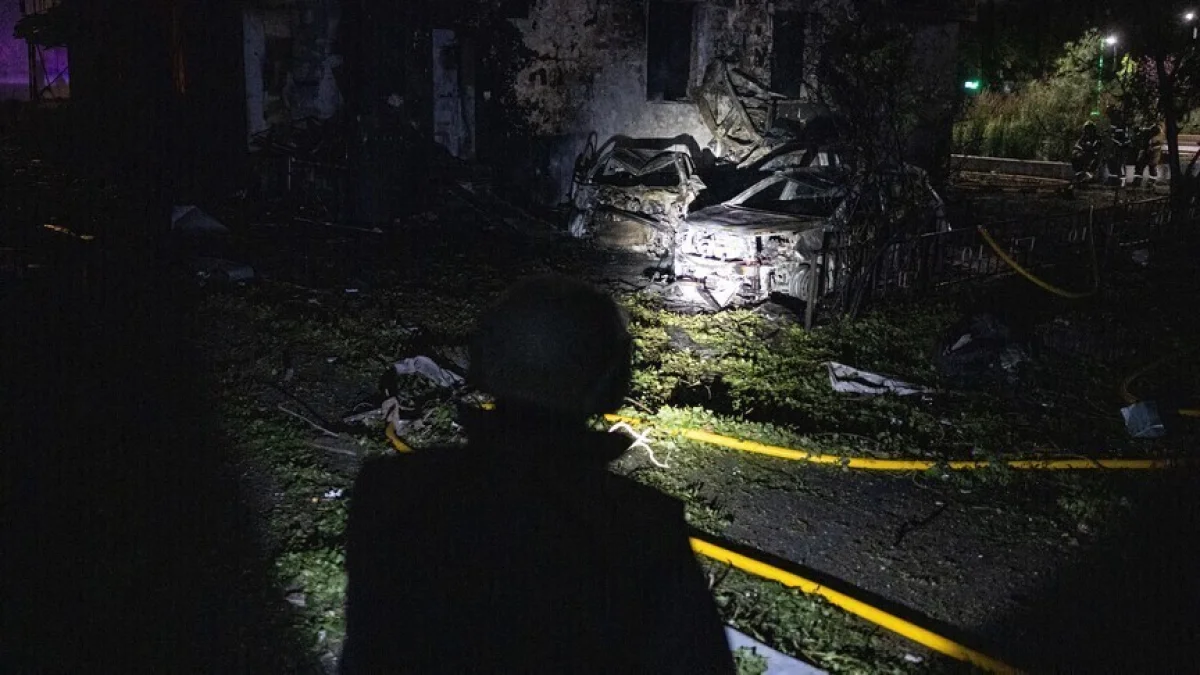
Masha Yivzhenko was a civilian in Kyiv, while her husband, Danylo, served as a combat medic with Ukraine’s Third Separate Assault Brigade. On September 25, she was killed when a Russian drone struck the office building where she had gone to collect her laptop, according to CNN.
“Killing a soldier is horrible, but it is normal. But Masha was a civilian,” Danylo Yivzhenko told CNN. He said she had no weapon and was simply doing her civilian job.
The couple had been planning a future together, buying an apartment and a car as they considered having children. After Yivzhenko enlisted in 2024, they got a dog, Jessie, so Masha would not be alone while he was away.
Air attacks disrupt daily life in Kyiv
Russia’s aerial assaults on Kyiv intensified from August 27, with air raid warnings sounding every day, according to the report. The city has averaged seven alerts daily, with as many as 13 on some days.
Between August 27 and October 4, at least 98 people were killed and 435 injured in Kyiv and the surrounding region. Russian drones also struck several prominent buildings in the capital, including the Security Service of Ukraine headquarters, the National Academy of Sciences, the High Council of Justice and a data centre belonging to a television and internet provider.
Russia says it targets military sites, despite repeated strikes on civilian locations. New jet-powered drones have enabled attacks at different times of day, forcing businesses and services to close during alerts and prompting residents to seek shelter.
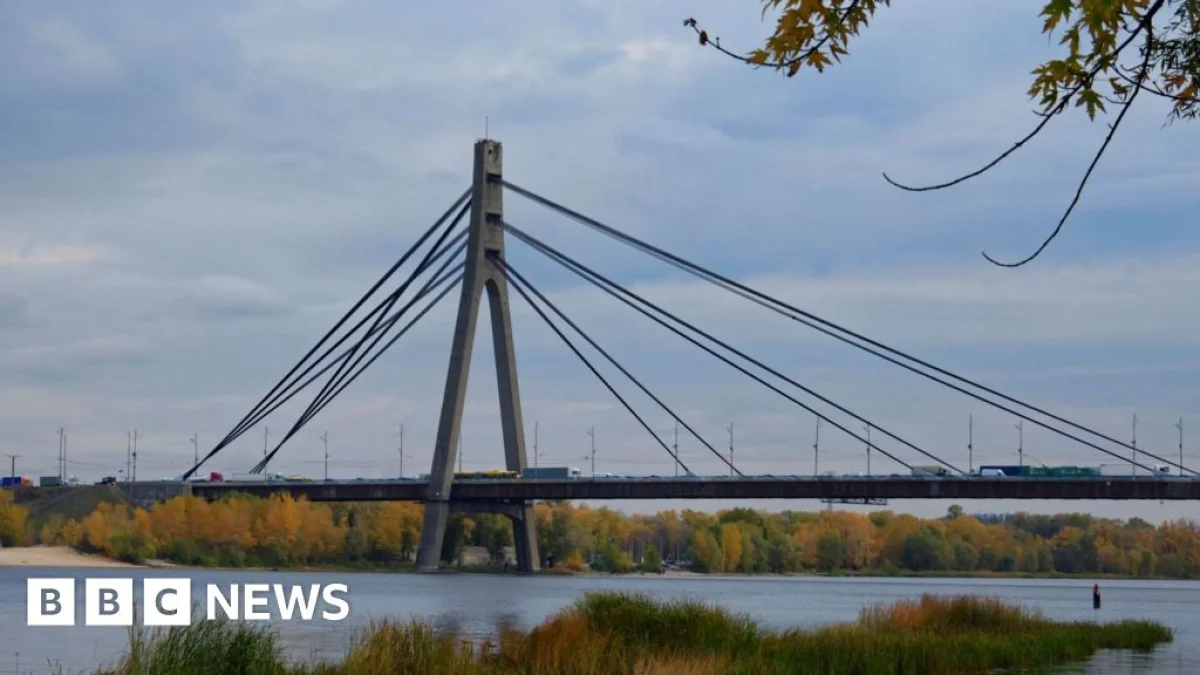
The Dnipro River divides Kyiv into two banks, linked by bridges used by around 600,000 vehicles each day. The Southern Bridge, which carries road traffic and the metro, was hit five times over two days, while the Northern Bridge was struck twice over the weekend. The disruption led city authorities to begin work on a pontoon bridge.
Children and schools face repeated interruptions
About half of Kyiv’s 250,000 children attend school in person full time, according to city authorities. Others alternate between remote and classroom learning, while some schools have moved classes underground.
A drone struck a school on a Thursday while more than 100 children were inside its shelter. Headteacher Olena Chorna said 104 children had hurried underground after sirens sounded again shortly after an earlier alert ended. No one was injured, but the building was extensively damaged.
University student Sophia Zaremba, 20, told CNN that she had witnessed a drone strike near her university the day before speaking to the outlet. Although an alert was in effect, she had urgent errands to run. She said the experience had left her struggling to cope.
Ukraine faces shortages of air defence weapons
Ukraine has struggled to defend Kyiv against the latest wave of Russian jet-powered drones, identified as the Geran-4 and Geran-5. They can travel at speeds of up to 600 kilometres per hour and carry powerful warheads, according to the report.
The drones can fly too fast and too high for mobile fire groups to intercept, requiring air-defence missiles, fighter jets or interceptor drones, all of which are in short supply. Their production cost is reportedly as little as one-tenth that of a traditional cruise missile.
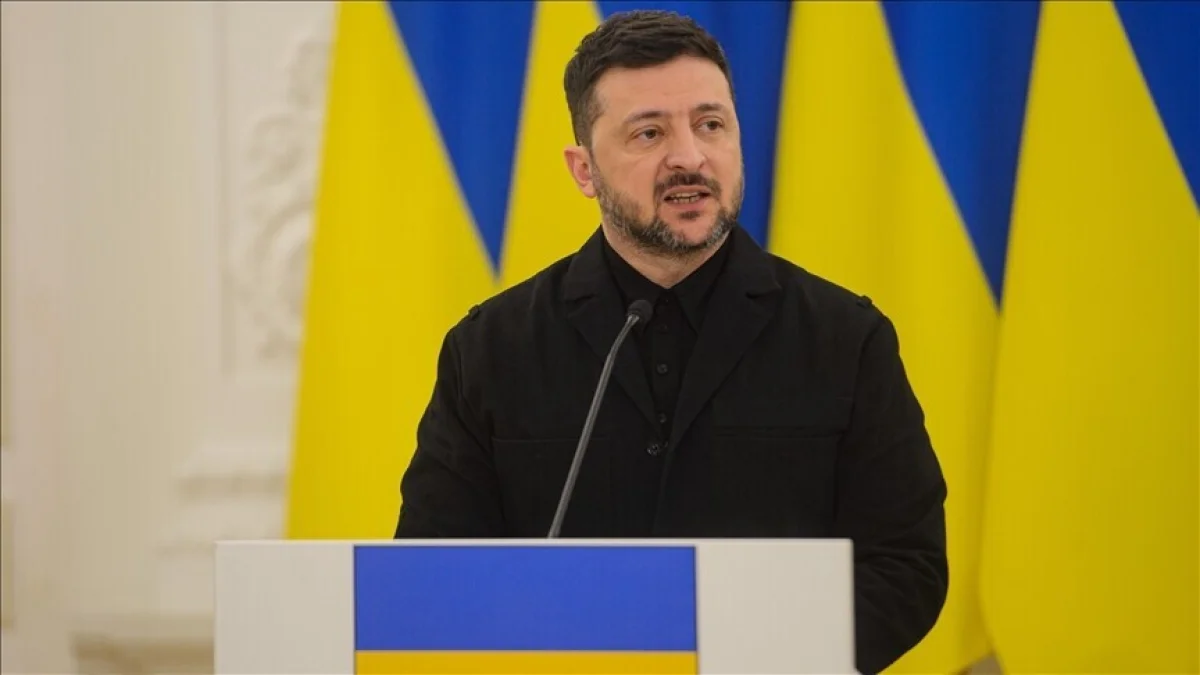
Ukrainian Air Force spokesman Yurii Ihnat said Russia launched 2,850 jet-powered drones in August and 3,177 in September. Ukraine’s military is developing domestic interceptors, while President Volodymyr Zelensky has appealed to allies for help.
On the day of the strike, Yivzhenko had driven Masha to her office to collect her laptop so she could work from home. He was walking Jessie when the drone hit. First responders told him she had died instantly; her body was found beneath a staircase on the building’s first floor.
“She was my best friend and my whole life was built around the fact that we had each other,” he told CNN.