 OMM Redaksiyası

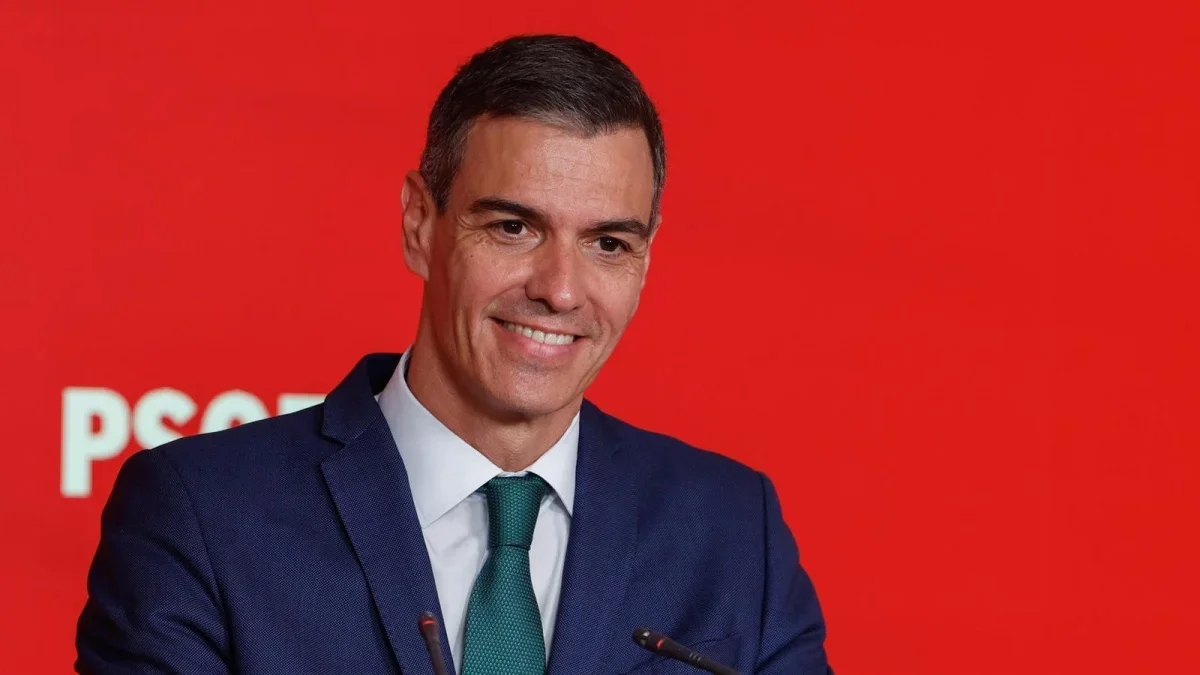
Spanish Prime Minister Pedro Sánchez announced on Monday that a snap parliamentary election will be held on Nov. 29.
Sánchez has drawn international attention for supporting the establishment of a Palestinian state, defending multilateral institutions and taking a tough stance against “tech oligarchs.” At home, however, a series of setbacks and scandals have weakened his position.
Opinion polls show Sánchez’s Socialist Party trailing, making an early appeal to voters a risky move. However, his proposals to tackle the housing crisis have won him political support. The proposals were rejected in a vote by right-wing lawmakers on Friday, prompting plans for new protests over housing.
An election defeat could end the tenure of one of Europe’s last left-leaning governments. Far-right forces are gaining influence across the region, while many European voters are moving away from the political center.
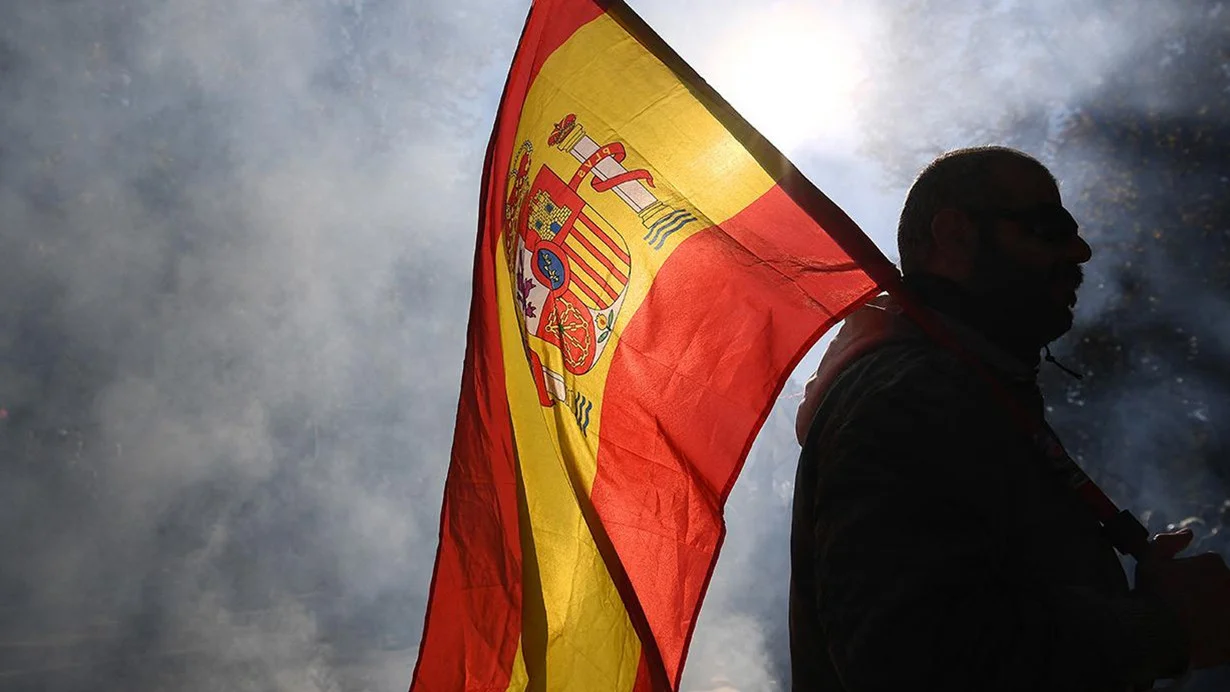
According to opinion polls, the most likely scenario in Spain is that the conservative People’s Party (PP) forms a coalition government with the support of Vox. This could put a far-right party in the central government for the first time since dictator Francisco Franco’s death and the restoration of democracy.
However, Sánchez, known for his political maneuvering, has repeatedly surprised those who thought his political career was over. Though he has never won enough votes to form a majority government alone, he has remained in power for three consecutive terms over eight years by building fragile coalitions that bring together forces ranging from the far left to the separatist right.
Growing disagreements among coalition partners have constrained the government’s legislative agenda during Sánchez’s third term. Spain’s economy is among the best-performing in the developed world, but the government has been unable to secure approval for a budget since 2023.
Sánchez’s rise to power and coalition support
Sánchez became prime minister after leading an initiative to remove center-right leader Mariano Rajoy from power following major corruption scandals in the conservative People’s Party. Over the past year, senior members of Sánchez’s Socialist Party have also faced corruption allegations. This has weighed on the party’s polling, which has fluctuated between 26% and 31% during Sánchez’s time in office.
Despite major losses in earlier regional and local elections, he secured support from various parties in parliament and won a second four-year term in 2023. A controversial promise to grant amnesty to leaders who support Catalonia’s independence helped him secure that backing. Many voters view the move as a betrayal of Spain’s unity.
Among the actions taken during Sánchez’s first period in office were the removal of Franco’s remains from the mausoleum the dictator had built for himself near Madrid and reforms to labor legislation. Unemployment fell to its lowest level in about two decades following the labor reforms.
In June 2018, after Italy and Malta refused to let the migrant rescue ship Aquarius dock at their ports, Sánchez announced that Spain would receive the vessel and the 629 people on board.
While other European countries have tightened their migration policies, Sánchez has argued that immigration is essential to Spain’s economic growth. He says migrants help fill labor shortages in sectors such as construction, agriculture and hospitality, and contribute to financing the social security system.
More recently, Sánchez has rejected U.S.-led demands to raise defense spending to 5% of gross domestic product and has strengthened ties with China. This stance has concerned U.S. President Donald Trump and some European leaders, who fear the European Union could be flooded with Chinese goods.
Economist Lorenzo Bernaldo de Quiros, president of the consulting firm Freemarket Corporate Intelligence, said Sánchez’s housing policies had allowed him to present himself as a leader capable of mobilizing left-wing forces, pushing the political impact of the migration crisis in Ceuta and corruption scandals into the background.
“This is a window of opportunity. If he does not call an election soon, those issues will return to the spotlight,” de Quiros said.