 OMM Redaksiyası

Clashes between Israeli police and hundreds of ultra-Orthodox Haredi protesters in central Israel have pushed the contentious military draft issue to the forefront of campaigning ahead of the Oct. 27 election.
Opposition leaders on Tuesday accused Prime Minister Benjamin Netanyahu and his government of allowing tens of thousands of Haredi men to avoid military service. They said a government formed by the opposition would end broad exemptions and halt funding for institutions whose students refuse to enlist.
According to Israel’s public broadcaster KAN, demonstrators gathered outside the home of a man accused of evading military service in Modi'in on Monday evening to protest his arrest. Some tried to enter the building, prompting confrontations with police, before the man was released. Large police forces were deployed in the area.
The Israeli army said military police had carried out an operation in Modi'in to enforce the Security Service Law against deserters and draft dodgers. It said demonstrators obstructed military police and tried to interfere with the arrest, prompting police to disperse them. The army added that enforcement operations would continue.
Opposition leaders promise tougher enforcement
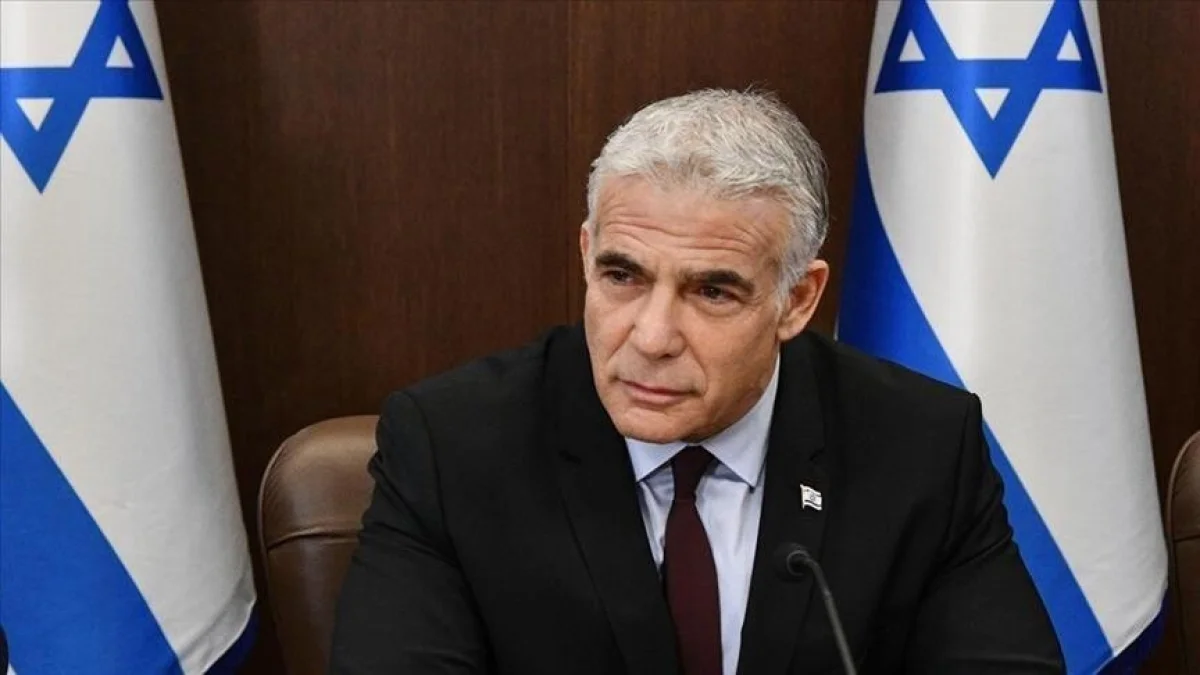
Opposition leader Yair Lapid said police had arrested a Haredi man accused of evading service before hundreds gathered and confronted officers, calling them “Nazis.” In a post on “X,” he questioned whether the rule of law applied in the country and criticized National Security Minister Itamar Ben-Gvir, calling him a “coward.”
Democrats party leader Yair Golan accused Netanyahu of continuing to fund draft evasion to maintain his governing coalition. He said the election offered an opportunity to end such funding, expand conscription and restore what he called the rule of law.
Yashar party leader Gadi Eisenkot, a former army chief of staff, said the events in Modi'in were not isolated but part of an effort to normalize avoidance of military service. He pledged a “real conscription law” to increase military manpower and end a system in which some Israelis serve while others do not.
Eisenkot said the Haredi draft issue had become central to the election, describing the choice as one between another Netanyahu government that preserves the current system and a government that enforces conscription.
Former Prime Minister Naftali Bennett, leader of the Together party, also blamed Netanyahu and his political partners. He pledged that under a government led by him, “no one who does not serve will receive a single shekel.”
Exemptions have been contested for decades
Haredim make up about 13% of Israel’s population of more than 10 million. Many oppose military service on religious grounds, saying they should devote themselves to Torah study and expressing concern that integration into secular society could weaken their religious way of life.
The dispute has intensified as the army faces troop shortages and continues operations on several fronts, including Gaza, Lebanon, Iran and the occupied West Bank. For decades, Haredi men studying at religious seminaries received repeated deferments until they reached the age of exemption.
In June 2024, Israel’s Supreme Court ruled that ultra-Orthodox Haredi men were subject to conscription and ordered the state to stop funding religious institutions whose students refused to enlist. The Shas and United Torah Judaism parties, which mainly represent Haredi voters, have traditionally been key partners in Netanyahu-led governments, and he is expected to seek their support in a coalition after the election.