 OMM Redaksiyası

A criminal investigation has been reopened into a case in which seven former members of Cornell University’s Chi Phi fraternity are accused of rape. A woman identified in court documents as Jane Doe filed a civil lawsuit on September 16, 2026, against the men, the university, Chi Phi and other parties, alleging that she was drugged and raped by several men.
The lawsuit alleges that the incident took place on October 19, 2024, at the Chi Phi fraternity house in Ithaca, New York. Jane Doe was then a 20-year-old Cornell University student.
What does the woman allege happened?
The complaint says the woman went to the fraternity house to see a friend after drinking alcohol that evening. She alleges that two members then forced her to take ketamine and raped her.
According to the complaint, one of the men sent a message in the Chi Phi group chat about the situation, inviting other members to join and presenting the woman as available for sex. Jane Doe says other men who arrived later also raped her over the course of several hours.
Initial investigation and university response
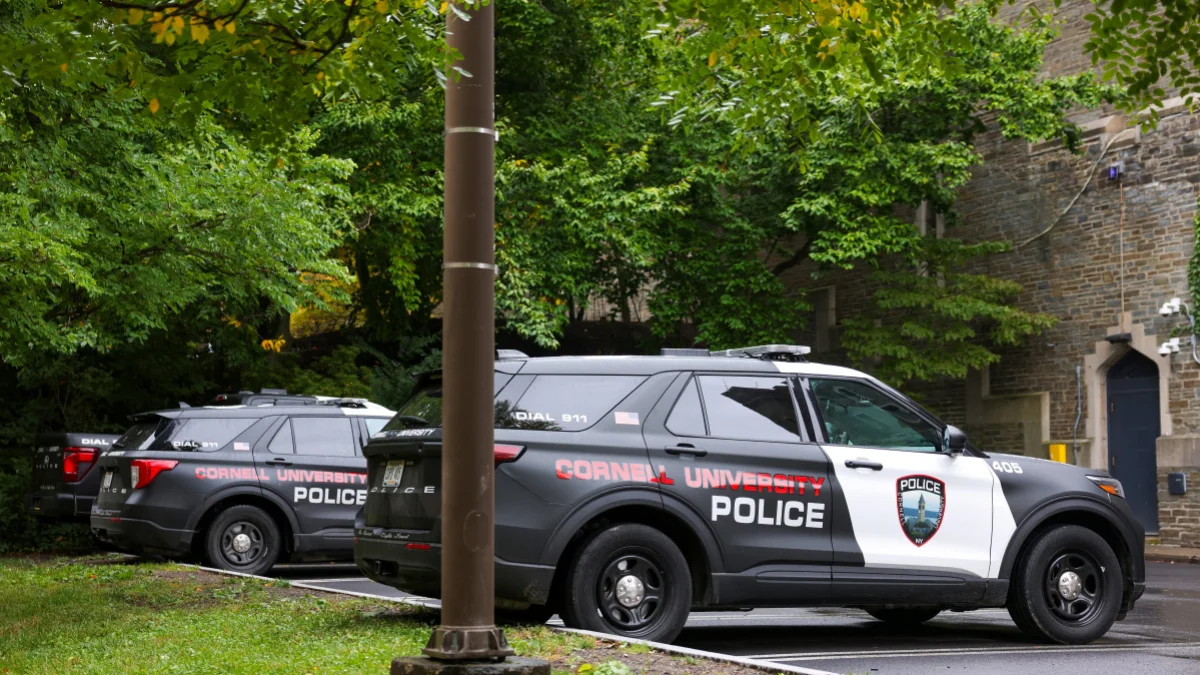
The woman contacted Cornell University Police about three weeks after the incident, in November 2024. The university conducted an investigation under its disciplinary procedures. Cornell says the process included more than 50 interviews and 12 days of hearings.
The woman’s attorney, Thomas Cuffra, alleges that only two of the seven fraternity members accused were expelled from the university, while the others received lesser sanctions, including suspension for part of their studies, workshops and essay-writing requirements. The university rejected claims that participants faced no serious consequences, calling them “false.” Cornell also said it had removed Chi Phi from campus.
Tompkins County District Attorney Matthew Van Houten initially decided not to bring criminal charges after reviewing the police investigation. He said the sworn statement submitted to prosecutors did not mention that the woman had been drugged without her knowledge or was unable to consent; instead, it described alcohol and drug use, as well as sexual activity, as voluntary and consensual.
Van Houten later acknowledged that he had not yet reviewed the full transcript of the woman’s interview with Cornell police. According to reports, she said in that interview that she was “100 percent sure” she had been raped. Attorney Thomas Cuffra, meanwhile, alleges that police failed to properly examine the evidence presented, including messages in the fraternity’s group chat.
The seven men have denied the allegations in statements to the media through their attorneys.
Why has the case been reopened, and what happens next?
The civil lawsuit filed in September 2026 has renewed public attention on the case. Van Houten said the circumstances described in the complaint “differ sharply” from the woman’s account to police two years earlier. He said his office would review whether additional evidence had emerged and was preparing to present the case to a grand jury.
New York Governor Kathy Hochul said she had lost confidence in the local district attorney’s ability to handle the case and appointed the office of Attorney General Letitia James as special prosecutor. That office will review the evidence and decide whether criminal charges should be brought. The case could be presented to a grand jury.
Hochul has called for changes to state law to ensure that a person’s voluntary consumption of alcohol or drugs does not prevent an assessment of their ability to consent to sexual activity. She said voluntary intoxication does not excuse sexual assault.
Cornell said it supports the renewed criminal investigation and will cooperate with law enforcement. The university also agreed to an independent review of its handling of the case. In an address to the university community on October 3, Cornell President Michael Kotlikoff said the institution did not have all the answers but was committed to finding them. He said additional opportunities would be provided in the coming weeks for community members to ask questions and receive direct answers from university leaders.
The woman’s civil lawsuit will proceed separately. She is seeking financial damages from Cornell, Chi Phi and other defendants. No criminal charges have been announced against the seven men, and the allegations have not been proven in court.