OMM Redaksiyası

Forces affiliated with Yemen’s internationally recognized government have retaken large areas along the Red Sea coast near the Bab el-Mandeb Strait. The advance is considered one of the government forces’ most significant gains since fighting resumed earlier this year and deals a blow to the Iran-backed Houthis.
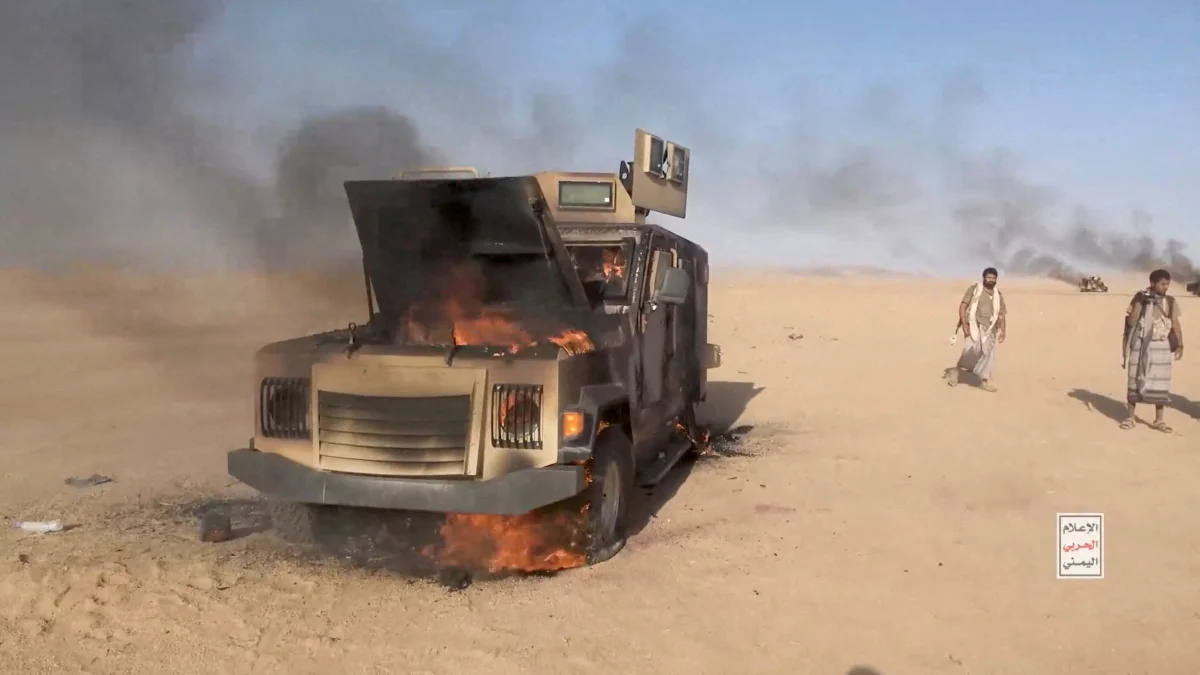
Advancing with intensive Saudi air support, government troops moved north along the coast on Monday and entered the outskirts of the port city of Mocha. Yemen’s Defense Ministry later said government forces had taken control of the city. Military sources said the Houthis had retreated to nearby mountainous areas.
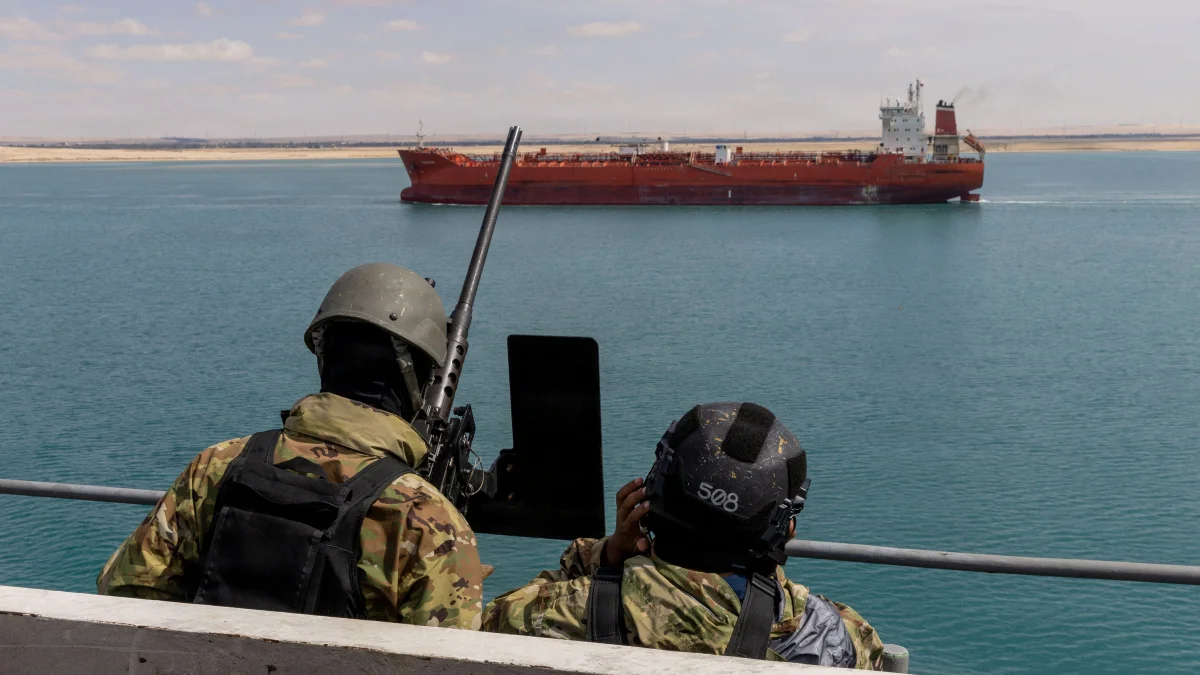
The operation restored several strategic positions at the entrance to the Bab el-Mandeb Strait, including an airstrip in the Dhubab district. The strait, which links the Red Sea with the Gulf of Aden and the Indian Ocean, is a key route for global energy supplies and commercial shipping.
The Houthis’ seizure last month of coastal areas around the strait unsettled energy markets and raised questions about the security of shipping routes amid regional instability. The government forces’ latest gains could complicate the group’s efforts to maintain control over movement through the corridor. Security experts say, however, that the Houthis can still target ships with drones and missiles from inland areas and other coastal positions.
The Houthis rejected the government’s statements, saying reports of extensive territorial losses were inaccurate. Reuters said it could not independently verify developments on the battlefield for either side.
Houthis advance near Taiz
Despite losing ground along the Red Sea coast, the Houthis appear to have made gains on other fronts. According to military sources linked to the government, the armed group seized parts of a mountain road near the southwestern city of Taiz that connects government-held areas with the city.
The sources said the advances had increased pressure on Taiz, Yemen’s third-largest city, and raised the prospect that government forces there could be isolated. A government official disputed reports that the main road had been completely cut off. As fighting intensified, the Houthis also threatened to expand attacks into Saudi airspace.
Saudi Arabia said it had launched large-scale air operations to support government forces. Saudi officials said hundreds of targets had been struck to back operations around the Bab el-Mandeb Strait and enable Yemeni ground troops to advance. Yemen’s internationally recognized government said it was conducting military operations on several fronts, including around Sanaa.
According to the Houthis-controlled Health Ministry, Saudi-led strikes killed two people and wounded seven in the Sanhan and Sawan districts. President Rashad al-Alimi vowed that government forces would continue fighting until the country was “liberated” from Houthi control.
Saudi Arabia, Türkiye and Pakistan activate defense pact
Rising tensions prompted Saudi Arabia, Türkiye and Pakistan to hold an emergency meeting in Riyadh. The meeting was convened under the recently signed Mecca Joint Defense Agreement. After the talks, the parties announced a plan to rapidly deploy agreed military forces and capabilities to Saudi Arabia under the pact.
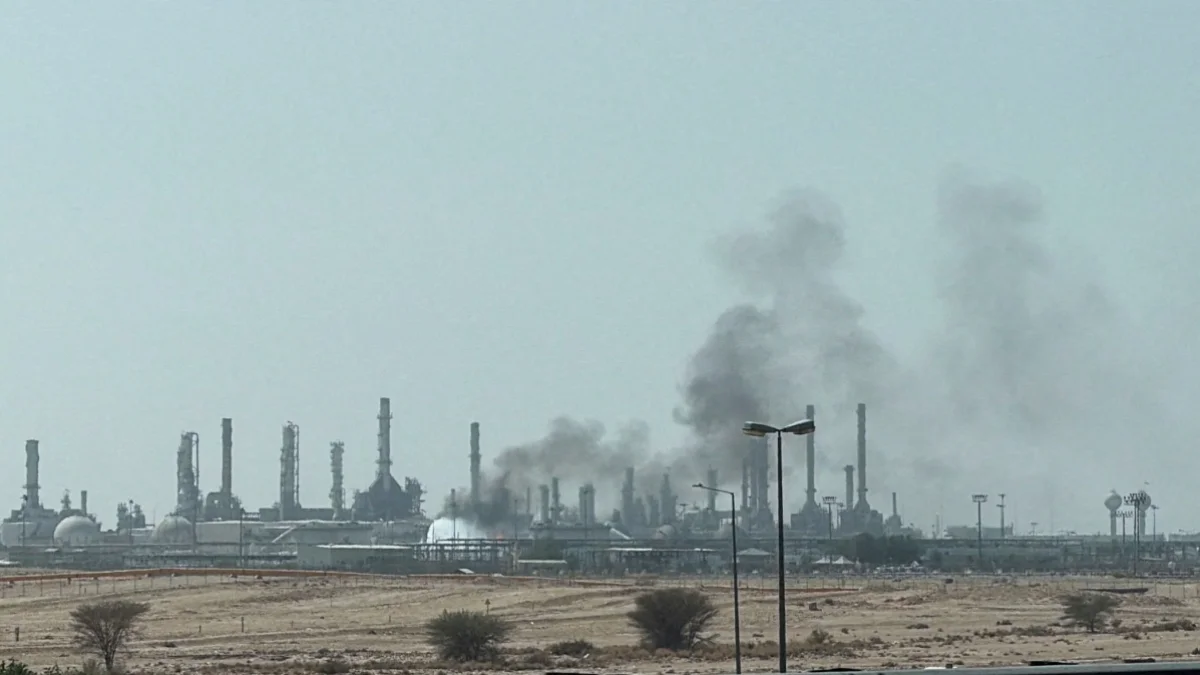
A joint statement by the three countries condemned Houthi attacks targeting Saudi cities, economic facilities and critical infrastructure. It also said the group had threatened Mecca and Medina, Islam’s holy sites. Under the defense pact signed in August, an armed attack on any one member country is considered an attack on all three.
The latest escalation followed the breakdown of a ceasefire that had largely held since 2022. The war, which began after the Houthis seized large parts of Yemen, led to a Saudi-led intervention in 2015 and has created one of the world’s most severe humanitarian crises.
According to the UN migration agency, 184,000 people have been displaced since fighting resumed this summer. Long lines have formed outside fuel stations in Taiz, where clashes have been intense. Shortages of fuel and cooking gas have worsened amid fears that supply routes could be closed.
The conflict in Yemen is becoming increasingly intertwined with tensions between Iran and the United States, as well as concerns about the security of vital energy and shipping routes stretching from the Strait of Hormuz to the Bab el-Mandeb Strait.