 OMM Redaksiyası

The head of Yemen’s Saudi-backed government announced on Sunday the launch of a major military operation against the Iran-backed Houthis, aiming to retake areas under their control.
Yemeni President Rashad al-Alimi said in a televised address: “Today, I announce the start of military operations to retake the remaining areas of the republic and establish the authority of the state and its institutions across the country.”
Regional and Western officials had earlier told Reuters that Saudi Arabia and its Yemeni allies were preparing an offensive against the Houthis. According to those accounts, Saudi Arabia was to lead air operations, while Yemeni forces would direct ground fighting.
Houthi advances
Saudi Arabia joined Yemen’s civil war in 2015 as part of an Arab coalition backing the internationally recognized government, which the Houthis had driven from the capital, Sanaa.
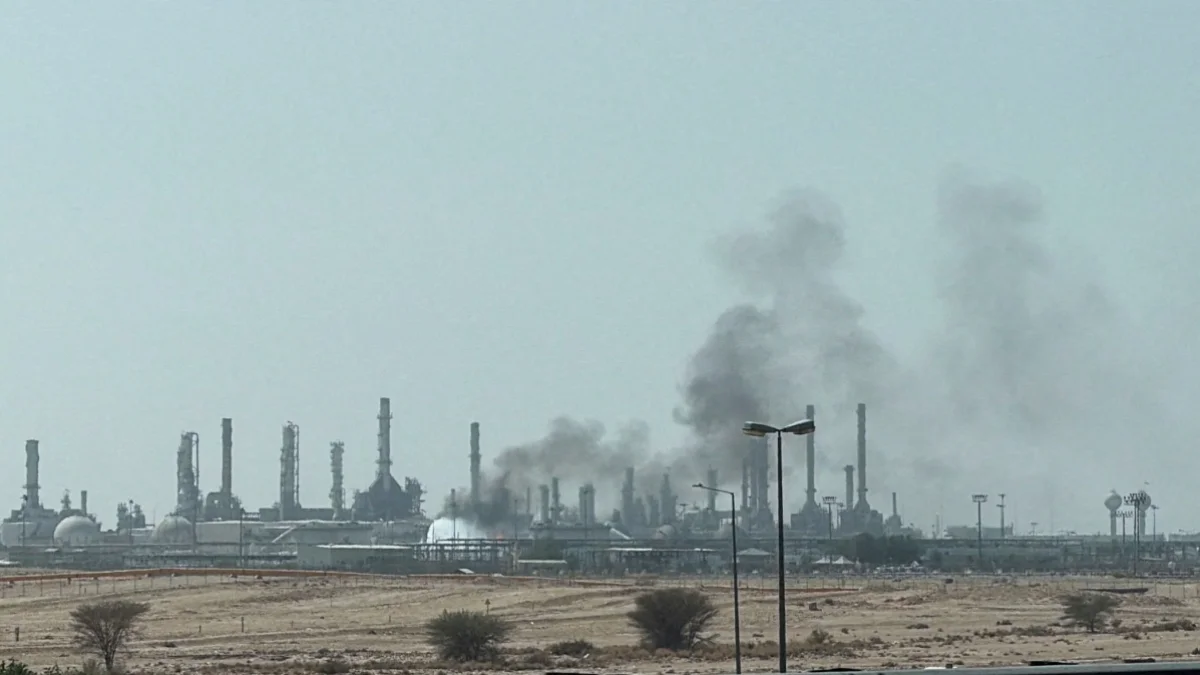
A ceasefire reached between the sides in 2022 largely held until this year. Amid the spillover of the war involving Iran into Yemen, the Houthis have carried out missile and drone attacks on Saudi ships and oil infrastructure.
Despite preparations for a counteroffensive, the Houthis have so far retained the initiative on the battlefield. In a rapid offensive that led to the collapse of government forces, they advanced along the coast and captured the strategic Bab al-Mandab Strait.
Located at the southern entrance to the Red Sea, Bab al-Mandab is a key shipping route between the Mediterranean and Asia. Its importance has grown as an alternative to the Strait of Hormuz, which has been effectively closed as a result of the conflict involving Iran.
Fighting for Taiz and the road to Aden
Military sources said the Houthis had made gains against government and local forces on strategic high ground near the Yemeni city of Taiz over the past 48 hours. They are moving toward the last road linking the city with Aden, where the Saudi-backed government is based.
If the Taiz-Aden road comes under Houthi control, Yemen’s third-largest city could effectively be besieged. The city is home to hundreds of thousands of civilians and thousands of government troops.
Mohammed al-Qadi, an experienced Yemeni journalist from Taiz who now works as a political analyst, said that the Houthis’ capture of mountainous areas west of Taiz could strengthen their control of the plains along the Bab al-Mandab coast. He said this would protect the Houthis’ rear during any potential operation along the coast and make it harder to retake those areas.
Humanitarian consequences of the fighting
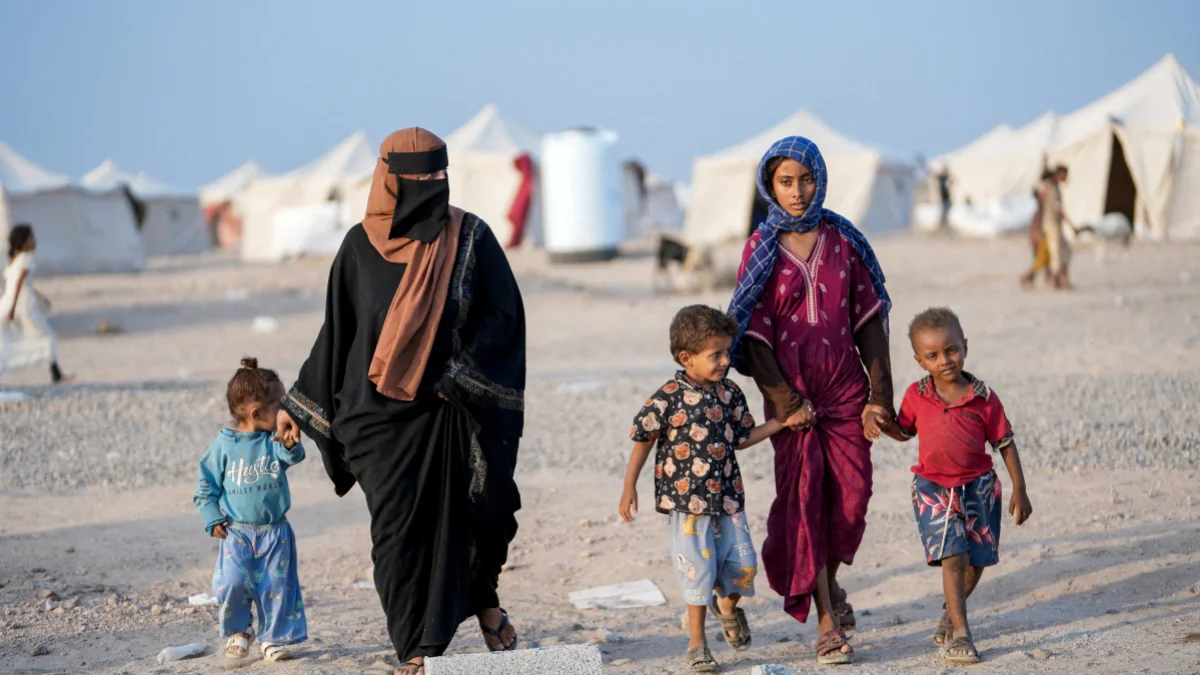
Taiz is strategically important and is also in the region where President Rashad al-Alimi was born. A siege of the city could further worsen the country’s already severe humanitarian situation.
According to information released last week by the UN World Food Programme, escalating fighting, tens of thousands of people being forced to flee their homes and disrupted supplies affecting millions have left three-quarters of families in some parts of Yemen facing food shortages.