 Afət Ziyadqızı

The Parti Québécois (PQ) has won elections in the Canadian province of Quebec, returning to power for the first time since 2014. With party leader Paul St-Pierre Plamondon set to become Quebec’s new premier, the federal government in Ottawa will face a series of complex political challenges, including immigration quotas, the abolition of the monarchy and a possible independence referendum.
Operative Information Center-OMM reports that, according to election results published by Canadian media, the Coalition Avenir Québec (CAQ), which had governed for eight years, has been defeated.
New CAQ leader Christine Fréchette conceded defeat and said she would work with Plamondon to ensure a peaceful transfer of power.
A pledge to hold a new referendum on Quebec independence is at the heart of Plamondon’s political agenda. Polls put current support for independence in the province at about 30 percent, but the incoming premier has said a vote would likely take place in 2029 or 2030. Meanwhile, renewed discussion of separation in Alberta is putting Canadian Prime Minister Mark Carney under pressure over national unity.
The new provincial government also plans to abolish the status of the British monarchy in Quebec and cut funding for the lieutenant governor’s office, which represents King Charles III, redirecting the money to social programs. Plamondon has said he is prepared for a legal battle with the federal government over the issue.
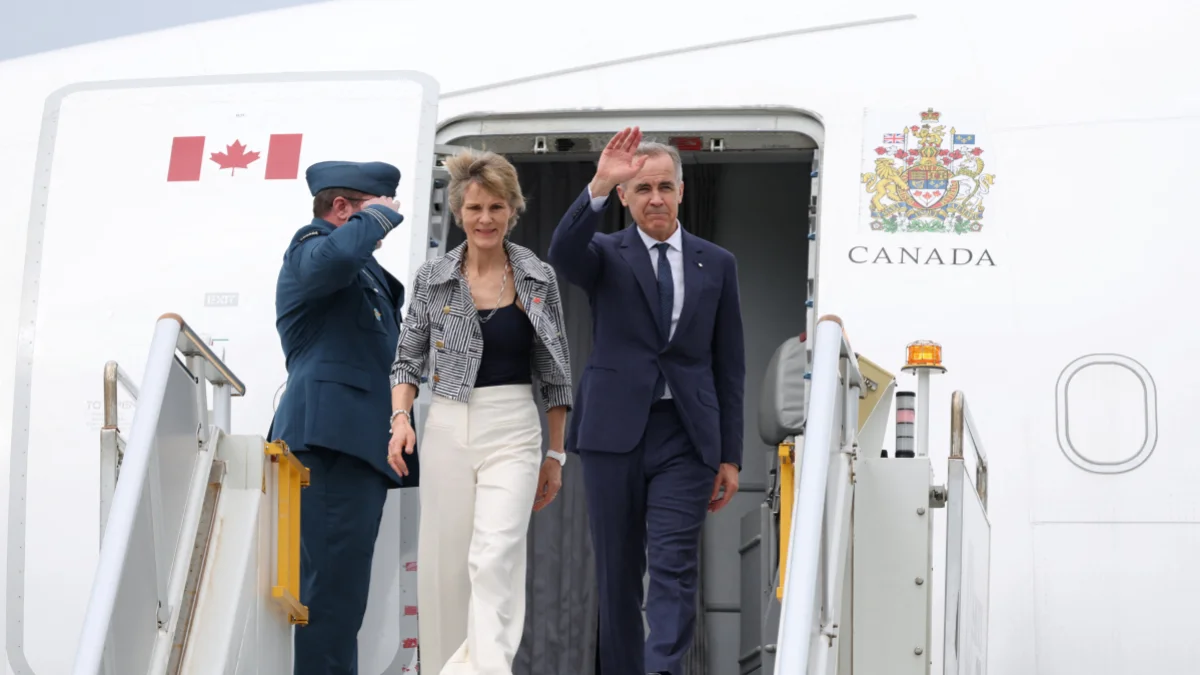
Canadian Prime Minister Mark Carney congratulated Paul St-Pierre Plamondon on his victory and struck a conciliatory tone. With new U.S. tariffs on Canada expected to cause about 2 billion Canadian dollars in damage to Quebec’s economy, Carney stressed the importance of close cooperation with provincial governments.
Quebec is one of Canada’s 10 provinces and has held two independence referendums, in 1980 and 1995. In the latter vote, the proposal was defeated by a narrow margin, with 50.6 percent voting against independence.