 OMM Redaksiyası

Two North Korean soldiers captured by Ukrainian forces in Russia’s Kursk region while fighting on Russia’s side have been brought to South Korea. Their status, safety and future have prompted diplomatic discussions among Seoul, Pyongyang and Kyiv.
Key questions remain over whether the soldiers will be allowed to stay in South Korea, how their prisoner-of-war status will be determined and whether they could be returned to North Korea.
Security screening and information-gathering process
South Korean authorities are expected to first conduct extensive security screening of the soldiers. In South Korea, the National Intelligence Service investigates the identity, background and reasons for seeking protection of North Korean citizens arriving in the country. The process can last up to 90 days and, in exceptional cases, may be extended by another 30 days.
Given their military backgrounds, the questioning of the two men is likely to be more detailed than in ordinary cases. South Korean opposition lawmaker Yu Yong-won met them in Ukraine in 2025. He said the soldiers could possess important information about training in the North Korean army and the deployment of North Korean troops alongside Russian forces.
Their personal experience of North Korean military involvement in the war being waged on Russian territory is also considered potentially valuable to South Korean intelligence agencies.
Who will decide whether they can stay in South Korea?
The final decision on granting the soldiers protection status and allowing them to settle in the country is expected to be made by South Korea’s Unification Ministry. However, intelligence agencies may also be involved in the decision-making process because of national security concerns.
The soldiers are also likely to undergo medical and psychological examinations. When Yu Yong-won met them in Ukraine, they were reportedly being held separately. Prolonged isolation and uncertainty about their future could be taken into account during the health assessments.
If granted protection status, the soldiers are expected to join an existing settlement program for people arriving from North Korea. The program provides education, vocational training and support for integration into society.
Did Ukraine have the right to send them to another country?
One of the most widely debated aspects of the case is the legal basis for transferring the soldiers to South Korea. Under the Third Geneva Convention, prisoners of war are generally expected to be released and repatriated after the end of active hostilities. However, international humanitarian law does not categorically prohibit their earlier release or transfer to a third country.
South Korea and Ukraine have not disclosed the legal basis for the transfer, including whether it ended the soldiers’ prisoner-of-war status. Legal experts say key considerations include whether the soldiers requested the transfer voluntarily and whether they could face persecution, torture or other serious danger if returned to North Korea.
Peter Ward, an expert at the Sejong Institute, said humanitarian and human rights principles could provide grounds for transferring prisoners of war to a safe third country that they have agreed to enter and that is prepared to accept them. Lee Shin-hwa, a former South Korean representative on North Korean human rights, also cited the soldiers’ wish to go to South Korea and the risks they could face in North Korea as grounds for the decision. Nevertheless, the case could create legal and diplomatic tensions.
Could the soldiers be returned to North Korea?
In theory, repatriation is considered the normal outcome for prisoners of war. However, experts say the issue is particularly complex in legal and humanitarian terms because it involves North Korea.
When there is a credible risk that people will face torture, persecution or severe punishment in the country to which they return, international law provides safeguards against their forcible return. The principle of “non-refoulement” prohibits states from sending people to countries where they could face serious danger.
The issue has become even more significant after North Korean leader Kim Jong Un openly praised soldiers who took their own lives rather than being captured while fighting Ukrainian forces in Russia’s Kursk region. The two soldiers have reportedly said they would prefer to go to South Korea rather than return to North Korea.
For this reason, experts believe that forcibly sending them back could raise serious legal and humanitarian concerns.
Why did the announcement of the transfer cause diplomatic discontent?
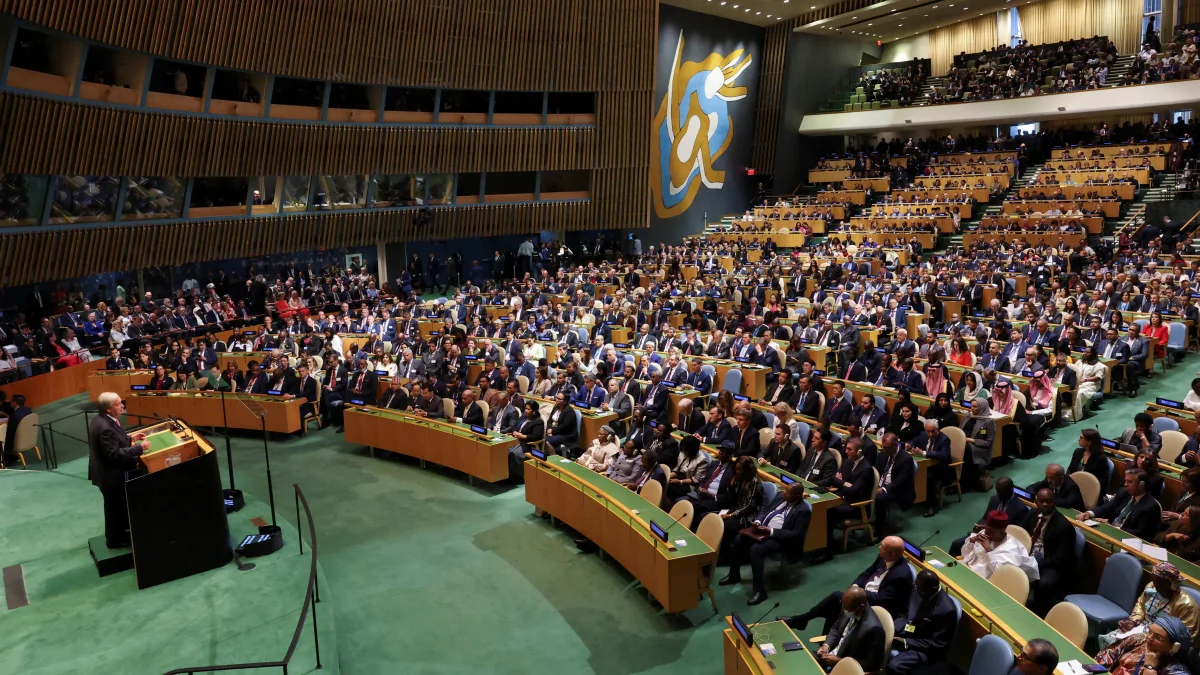
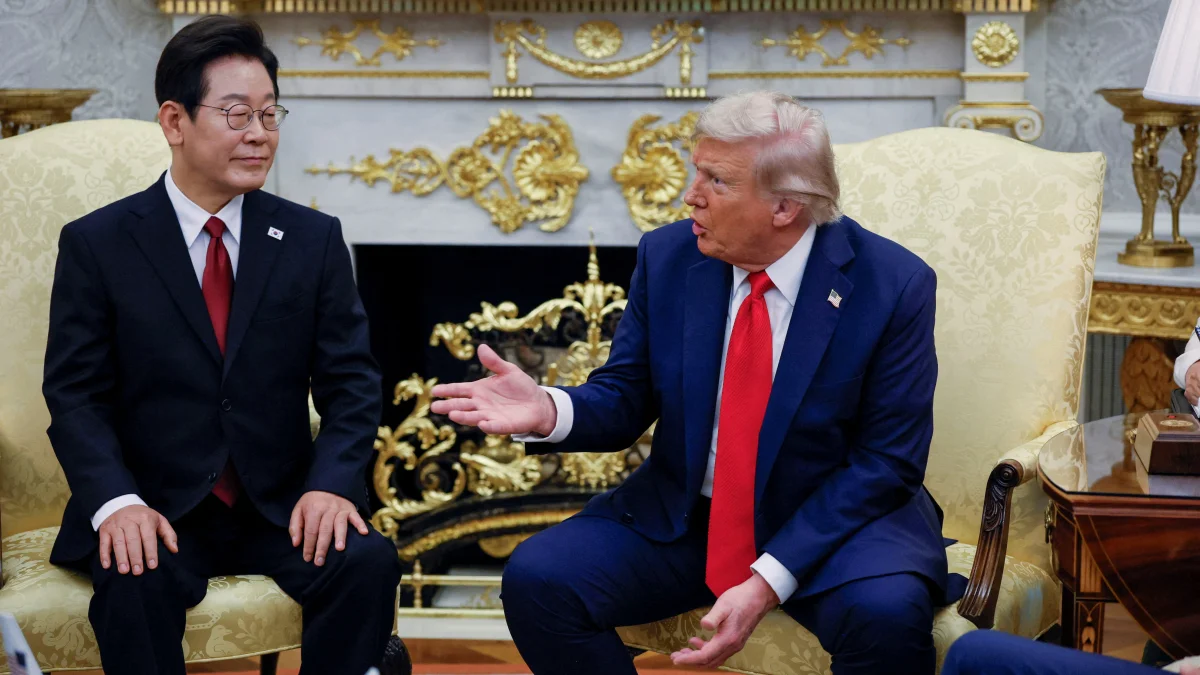
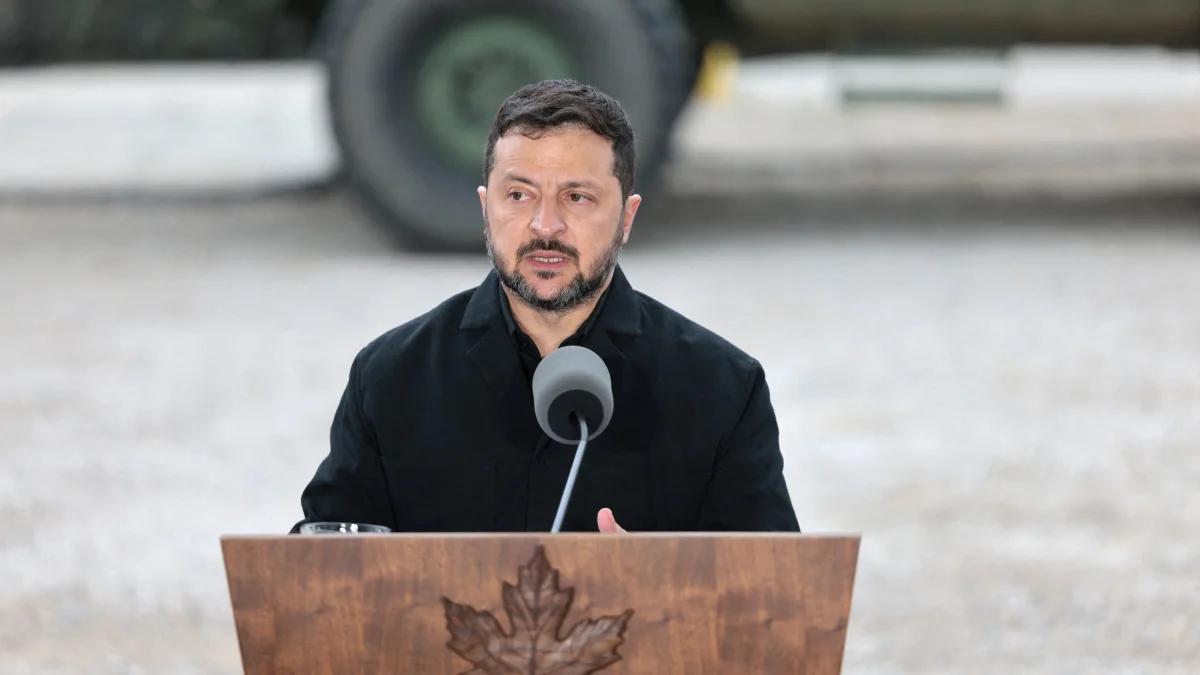
The soldiers’ arrival in South Korea has also sparked a diplomatic dispute between Seoul and Kyiv. South Korean President Lee Jae-myung criticized Kyiv after Ukrainian President Volodymyr Zelenskyy disclosed details of the transfer at the UN General Assembly.
According to Lee Jae-myung, Ukraine violated an agreement to keep the transfer confidential. Seoul believes that the disclosure could endanger the soldiers and their relatives living in North Korea. Ukraine has denied that an official confidentiality agreement existed.
The dispute highlights the sensitivity of the case, which involves security, diplomacy and the protection of the soldiers’ families.
How could the case affect South Korea’s Ukraine policy?
The case comes as South Korea seeks to balance its support for Ukraine with its refusal to provide lethal weapons. Seoul has provided humanitarian aid, reconstruction assistance and non-lethal military support to Ukraine, but has so far rejected calls to supply lethal weapons.
President Lee Jae-myung pledged comprehensive support worth $100 million for Ukraine during the NATO summit held in Ankara, Türkiye, in July. At the same time, Seoul said it would not provide lethal weapons.
On the sidelines of the summit, Lee Jae-myung and Zelenskyy agreed that the issue of the North Korean prisoners of war should be resolved in accordance with international law and humanitarian principles, while respecting their wishes.
A rare case with far-reaching implications
The arrival of the two soldiers in South Korea is an unusual case involving the rights of prisoners of war, protection law, intelligence gathering and inter-Korean relations.
The soldiers could provide South Korean authorities with rare firsthand information about North Korea’s participation in overseas military operations alongside Russian forces. However, their case will remain diplomatically and politically sensitive for Seoul, Kyiv and Pyongyang.