Afət Ziyadqızı

Japan has increased application fees for permanent residency by nearly 20 times. The new rules are part of changes to the country’s migration policy aimed at managing the rapidly growing number of foreign nationals in Japan.
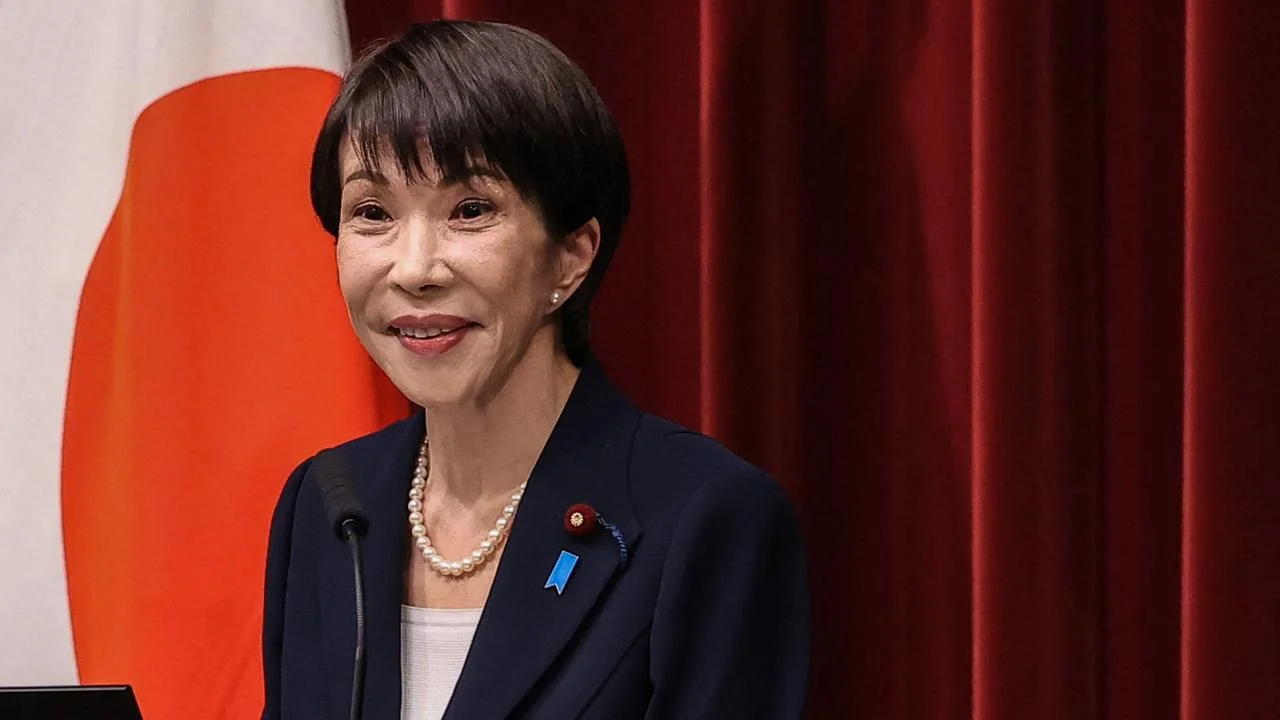
Operative Information Center-OMM reports that before the decision adopted by Prime Minister Sanae Takaichi’s government, Japan had raised visa fees for all foreign nationals fivefold in July.
The increase, the first in this area in 50 years, was reportedly intended to reflect inflation and fluctuations in exchange rates.
The number of foreign residents in Japan exceeded 4.12 million at the end of 2025, reaching a record high. This represented a 9.5% increase from the previous year. Although migration remains a sensitive issue in Japan, labor shortages caused by the country’s aging population have made it increasingly dependent on foreign workers. Prime Minister Takaichi, who took office in October last year, has identified migration management as one of her priorities.
Under the new regulations, applicants for permanent residency must have a stable income equal to or higher than Japan’s average. The country’s average household income was 5.75 million yen in 2024. From April next year, stricter requirements will also apply, including basic proficiency in Japanese.
In addition, applicants’ expected pension entitlements must be equivalent to those of a person who has participated in the pension system for workers for 30 years. If these entitlements are insufficient, the value of the applicant’s financial assets will also be taken into account.