 OMM Redaksiyası

For decades, the Strait of Hormuz has been one of the main gateways connecting Gulf states to global markets. Disruptions in recent months have prompted regional governments to invest in alternative routes and increase the movement of cargoes that bypass the strategic waterway.
UAE implements “Zero Hormuz” strategy
The shift is most evident in the United Arab Emirates (UAE). The country has openly adopted a “Zero Hormuz” strategy and plans to reduce its reliance on the strait even after it fully reopens.
The plans include expanding ports on the Gulf of Oman, developing new road and rail links, expanding pipelines and establishing new trade corridors through Oman. The ports of Fujairah and Khor Fakkan are already operating as alternative maritime gateways.
The UAE is strengthening links between its western ports and the east coast through road and rail connections. In cooperation with Oman, it is increasing cargo shipments through various terminals, including the ports of Sohar and Duqm.
UAE Minister of Foreign Trade Thani Al Zeyoudi said in early September that these changes could become permanent even if the situation in the Strait of Hormuz normalizes. The UAE intends to expand its eastern ports and build additional infrastructure connecting them with oil, gas and industrial facilities.
Saudi Arabia restarts oil pipeline
Saudi Arabia is also pursuing a similar approach to oil exports. The kingdom has resumed operations of the 1,200-kilometer East-West pipeline, which connects oil-producing areas in the east with the port of Yanbu on the Red Sea.
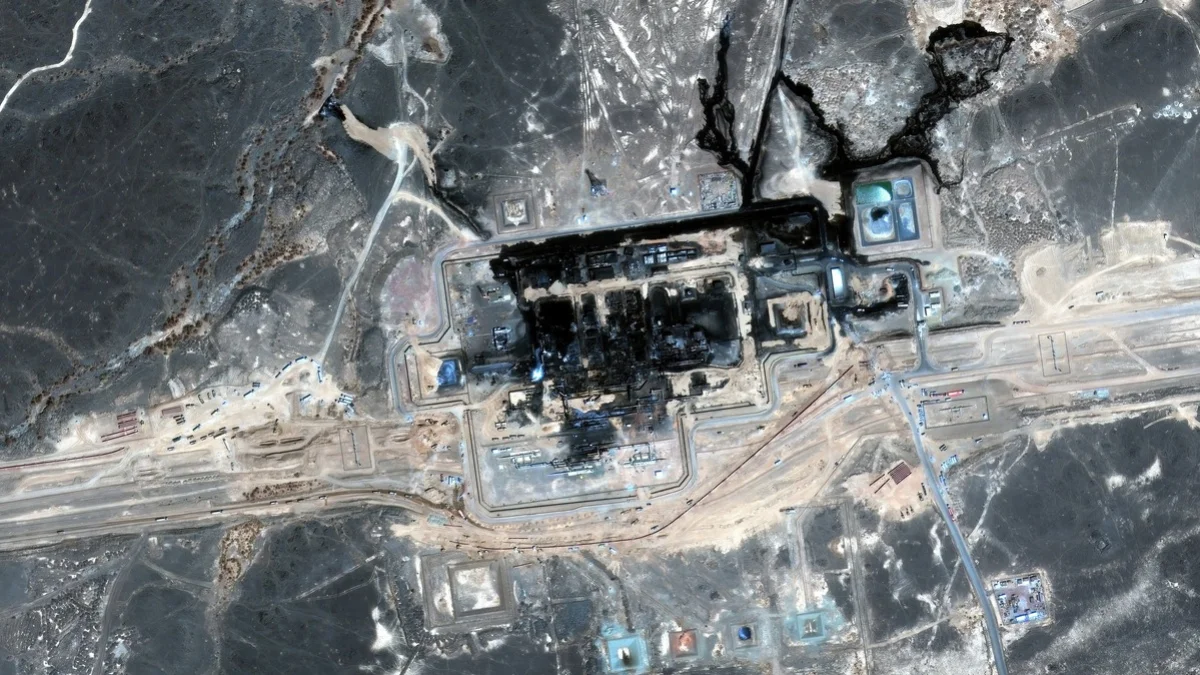
The pipeline, which was suspended after a drone attack in September, is currently operating at reduced capacity. Saudi Aramco is working to raise throughput to around 4 million barrels per day. Full restoration could take six to eight weeks because three pumping stations were damaged.
The pipeline allows Saudi Arabia to export crude without sending it through the Strait of Hormuz. With a throughput capacity of around 4 million barrels per day, the route could carry approximately 4% of global oil supplies. Its maximum capacity is 7 million barrels per day.
The UAE is also expanding its ability to export oil without using the Strait of Hormuz. The Abu Dhabi Crude Oil Pipeline connects oil fields with Fujairah on the Gulf of Oman.
According to estimates by the International Energy Agency, Saudi Arabia and the UAE together have alternative crude oil export capacity of 3.5 million to 5.5 million barrels per day. Actual volumes depend on infrastructure, terminals and logistics capacity.
Alternative routes have limited capacity
The impact extends beyond the oil sector. The current situation has exposed the broader dependence of Gulf economies on a single maritime gateway. Container traffic through the Strait of Hormuz has fallen sharply, while companies have turned to smaller ports, road and rail links, and air freight.
The Financial Times reports that transport and insurance costs between China and the UAE have increased and transit times have lengthened as companies seek alternative routes. AD Ports brought in hundreds of additional trucks during the disruptions, increased rail services and expanded maritime links with Oman, India, Pakistan and Red Sea ports.
Oman is becoming an important part of the alternative logistics network. The UAE has established trade corridors with Omani ports and accelerated customs procedures for cargo transported by road to Dubai. Sharjah and Oman are also developing logistics links that allow cargo to move without passing through the Strait of Hormuz.
It is not possible to significantly reduce dependence on the Strait of Hormuz in the short term. Very large volumes of oil, gas and other cargo pass through the strait, while alternative ports and land corridors cannot immediately absorb all of this traffic.
The International Energy Agency has also noted that infrastructure bypassing the strait remains limited and that the logistics needed to redirect large volumes of cargo have not been fully tested. In addition, alternative routes are not completely insulated from regional security risks. Saudi Arabia’s route to Yanbu depends on the Red Sea, where attacks by the Houthis threaten shipping and infrastructure. The UAE’s eastern ports also remain sensitive to the broader security situation in the region.
The UAE’s aim is not so much to replace the Strait of Hormuz with another critical route as to create a broad network of ports, pipelines, roads, railways and maritime corridors. The main objective is to prevent a problem at one location from completely halting regional trade.
The Strait of Hormuz is not expected to lose its importance in the near future. Nevertheless, the current crisis is influencing investment decisions in the Gulf states. For the countries of the Gulf Cooperation Council, the key challenge is both to keep the strait open and to make their economies less dependent on it.