 OMM Redaksiyası

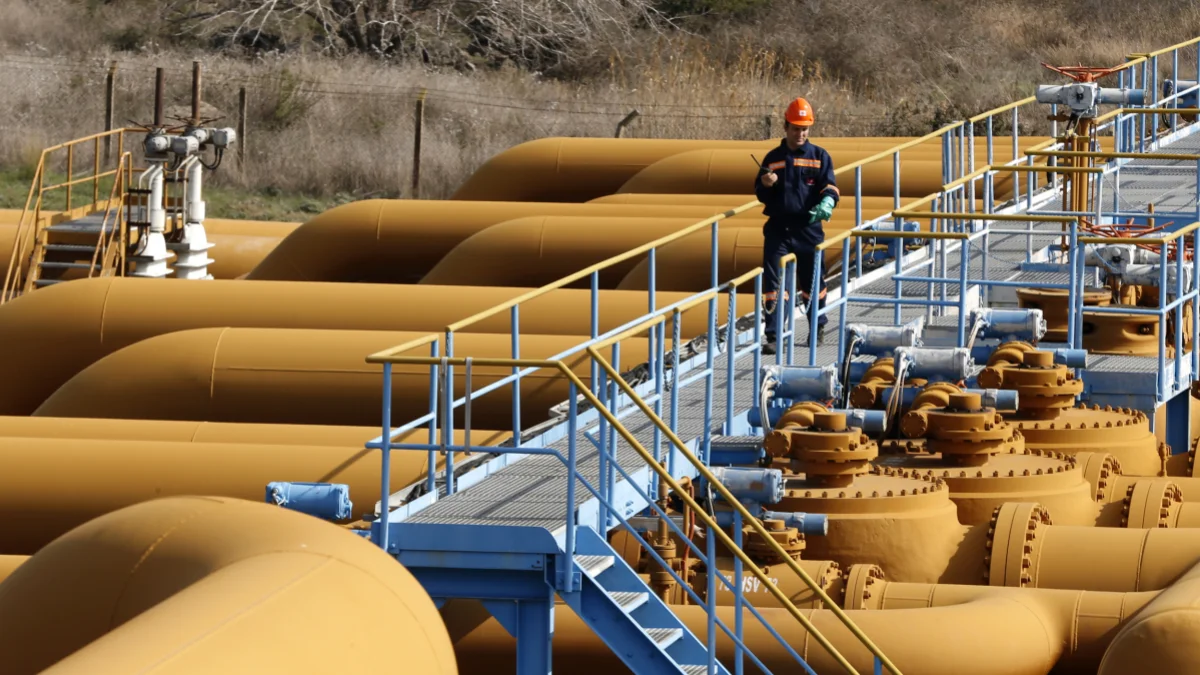
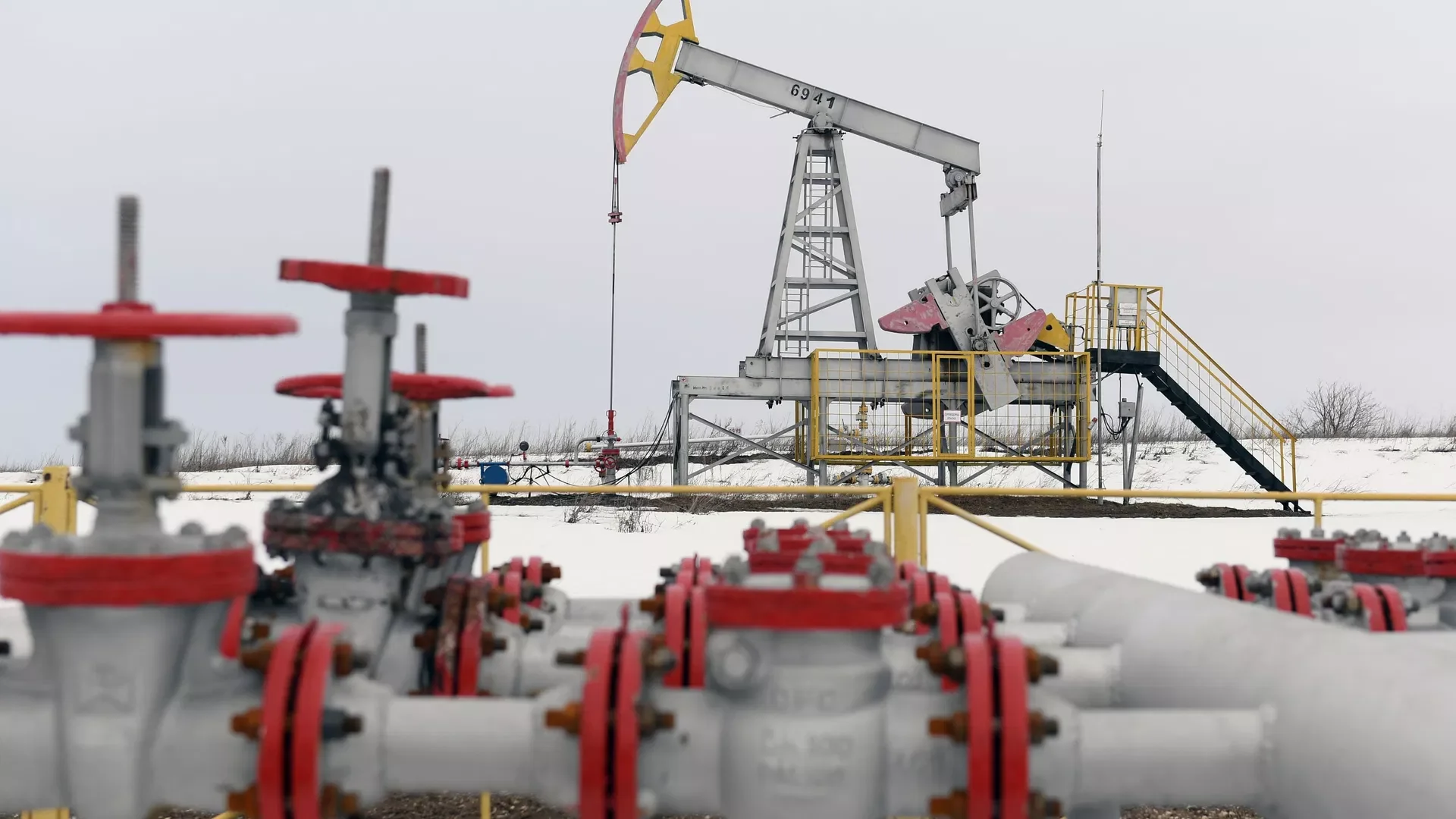
Iran’s decision to close the Strait of Hormuz this year roiled Middle Eastern energy markets, but China had been preparing for such a crisis for years. The country’s three state-owned oil companies — PetroChina, Sinopec and CNOOC — have invested hundreds of billions of dollars in domestic wells, storage tanks and pipelines.
According to Reuters, these companies have spent about 2.3 trillion yuan, or $343 billion, on oil and gas projects in China since 2018. Their investments in overseas projects amounted to about $56 billion. The policy was implemented under a seven-year plan launched by Beijing to halt the decline in domestic production.
As a result, China’s crude oil production has risen to about 4.3 million barrels per day, up from roughly 3.8 million barrels previously. According to the Austrian Institute for International Affairs, the country’s natural gas production has also increased by about one-third since 2020, easing pressure on liquefied natural gas supplies.
However, the policy has come at a high economic cost. The production cost at onshore fields operated by PetroChina and Sinopec is about $55 per barrel, compared with approximately $37 for US shale oil. Reuters reported that some fields are being operated at a loss to preserve output.
Strategic reserves provide key support
Another important element of Beijing’s preparations has been the expansion of oil reserves. According to estimates by the US Energy Information Administration, China added an average of 1.1 million barrels per day to its strategic oil reserves in 2025. By December, the country’s total reserves had reached about 1.4 billion barrels.
About 1 billion barrels of this volume are held in commercial storage rather than official state reserves. Since 2024, Chinese authorities have instructed national oil companies to regard commercial tanks as a second layer of strategic supply. A new Energy Law that took effect in January 2025 gave this practice a stronger legal foundation.
Toril Bosoni of the International Energy Agency said the law had turned Chinese oil refiners into “long-term strategic storage partners” for the government amid limited official storage capacity.
According to estimates by the Atlantic Council, China’s onshore crude oil stocks stood at about 1.2 billion barrels in January. Taking domestic production into account, these reserves could allow the country to maintain imports for about 108 days, or 130 days if fuel exports were halted completely. In addition, approximately 38 million barrels of Iranian oil stored on tankers could potentially be used.
Supply sources have been diversified
Beijing has also spent years seeking to reduce its dependence on any single supplier. Research by the Austrian Institute for International Affairs found that China prefers no country to account for more than 15% to 20% of its oil or gas imports.
In 2025, Russia was China’s largest crude oil supplier, accounting for about 18% of imports. Saudi Arabia supplied 14%, while Iraq accounted for 11%. China balances seaborne shipments from the Gulf, Africa and Latin America with oil delivered by pipeline from Russia and Central Asia.
The disruption of energy flows through the Strait of Hormuz has had a more serious impact on Japan, South Korea and Taiwan. These economies have very limited domestic oil production. In March, the International Energy Agency coordinated an emergency release of reserves among member countries, including the United States, in response to the crisis.
The commercial cost of preparedness
China’s energy resilience also has commercial drawbacks. As the crisis in the Middle East deepened, Beijing capped domestic fuel prices and briefly reduced exports in March. This put pressure on refiners’ earnings even as global oil prices rose.
Sinopec suffered refining losses of about 1.8 billion yuan, or $268 million, in the second quarter. Although CNOOC and PetroChina reported record profits in the first half of the year, their results lagged significantly behind those of Western companies such as ExxonMobil and Chevron, which were not subject to price controls.
China still does not produce enough oil to meet its domestic demand and cannot be completely insulated from a prolonged supply crisis. Nevertheless, years of costly investment in wells, storage facilities and pipelines have given Beijing time to manage the crisis without panic.