OMM Redaksiyası

As Russian attacks on Ukrainian cities intensify and temperatures fall, some residents of Kyiv are making plans to spend the winter elsewhere, worried about both air strikes and the cold.
Last winter brought prolonged sub-zero temperatures and frequent power cuts after attacks on Ukraine’s energy grid. Mariia Shostak, a mother of two, said she had decided not to put her children through another winter in the capital. The BBC reported on families weighing whether to leave.
Shostak said the situation changed in late August and early September, when Kyiv began facing attacks around the clock. She said drones and missiles that had previously been intercepted on the outskirts were now striking over the city centre.
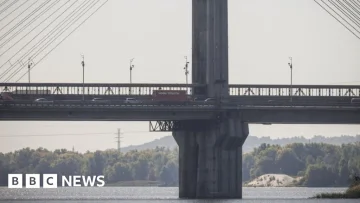
By the end of September, Russian attacks had hit petrol stations, power plants and key bridges over the Dnipro River. Kyiv Mayor Vitaly Klitschko described the situation as “very dramatic” and said the attacks were “tearing Kyiv apart”.
Shostak plans to take her children, four-year-old Artur and two-year-old Kira, to Hurghada on Egypt’s Red Sea coast. She said the destination was warmer and cheaper than Europe, adding that she did not feel safe in Ukraine.
A September survey by research company Gradus found that 40% of Ukrainians were considering relocating if living conditions worsened. Another 35% said they would not move, while 25% were undecided.
Gradus founder and chief executive Evgeniya Blyznyuk said people were concerned not only about electricity and blackouts but also about potential shortages of food and other goods, as Russia targets major logistics centres.
For Iryna, who asked that her surname not be used, the decision is linked to the effect of attacks on her young daughter, Polina. She said the family experienced two missile attacks this year, one of which blew out windows in their home in north-west Kyiv. A second blast a month later damaged the building and forced them into temporary accommodation.
Iryna said Polina had developed extreme anxiety, with symptoms including incontinence, vomiting and uncontrollable shaking. Her husband is serving in the army, and she has not yet decided where to go. Her work for an international non-governmental organisation may allow her to work remotely from Poland.
Other residents are moving to rural areas within Ukraine. Olena Konoplia said she chose a cottage in a village about two hours from Kyiv after looking for a place without factories, warehouses or railway stations that could be potential targets.
The cottage has gas-powered heaters and a supply of firewood for power cuts. Konoplia has also installed high-speed internet so she can continue working for a Kyiv-based charitable foundation. She said the quiet had helped her sleep and work, and that her elderly mother would soon join her.
Not everyone can afford to move abroad or rent a country home. Kyiv authorities are offering some vulnerable residents, including older people and women with young children, places in converted sanatoriums and rehabilitation centres on the city’s forested outskirts.
Over the past 18 months, a network of about 15 small power plants has also been built around Kyiv. Located in fortified bunkers and protected from drone attacks by steel cages, they can each supply electricity and heat to several hundred high-rise apartment blocks.
However, energy companies have discussed scheduled power cuts, and supermarkets have periodically faced shortages of some goods. Blyznyuk said she did not expect a mass departure from Kyiv, noting that many people were reluctant to risk their jobs or take children out of school. She said most would delay a decision until conditions became “really unliveable”.