 OMM Redaksiyası

Women and girls account for 53% of the projected 22 million additional people who could face food insecurity by the end of the year amid the Middle East escalation and disruption to the Strait of Hormuz, according to a UN Women analysis released Friday.
The 11.7 million women and girls identified across 28 countries would add to an estimated 208 million who were already food insecure or undernourished, the analysis said.
How the disruption could affect food access
Disruptions to shipping through the Strait of Hormuz are driving up energy, fertilizer and transport costs, putting upward pressure on food prices, according to the analysis.
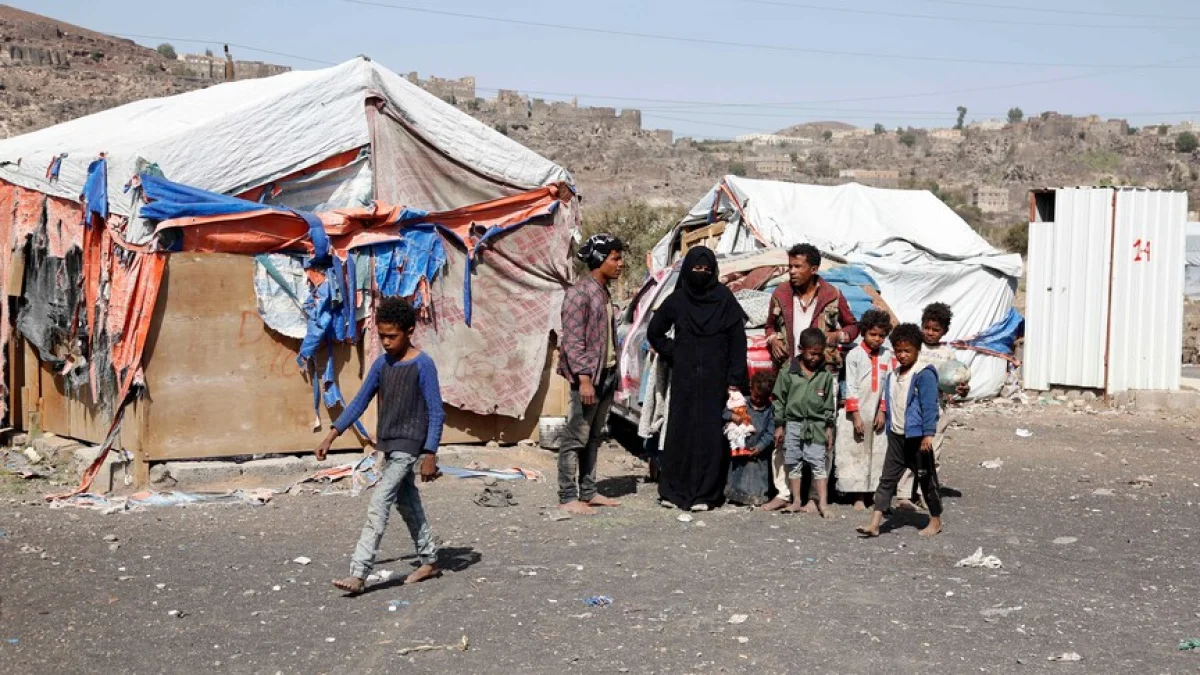
South Sudan, Sudan, Haiti, Yemen and Palestine face more concentrated risks, as multiple sources of vulnerability overlap.
UN Women calls for targeted assistance
“When food becomes scarce, women eat less and last,” UN Women Deputy Executive Director Nyaradzayi Gumbonzvanda said. Women often switch to less nutritious diets or skip meals to prioritize others, she added.
UN Women called for food and cash assistance, alongside nutrition, protection, livelihood and agricultural support. It also urged that resources be directed to places where women and girls face multiple overlapping risks and delivered at the right time, including before agricultural seasons.