 OMM Redaksiyası

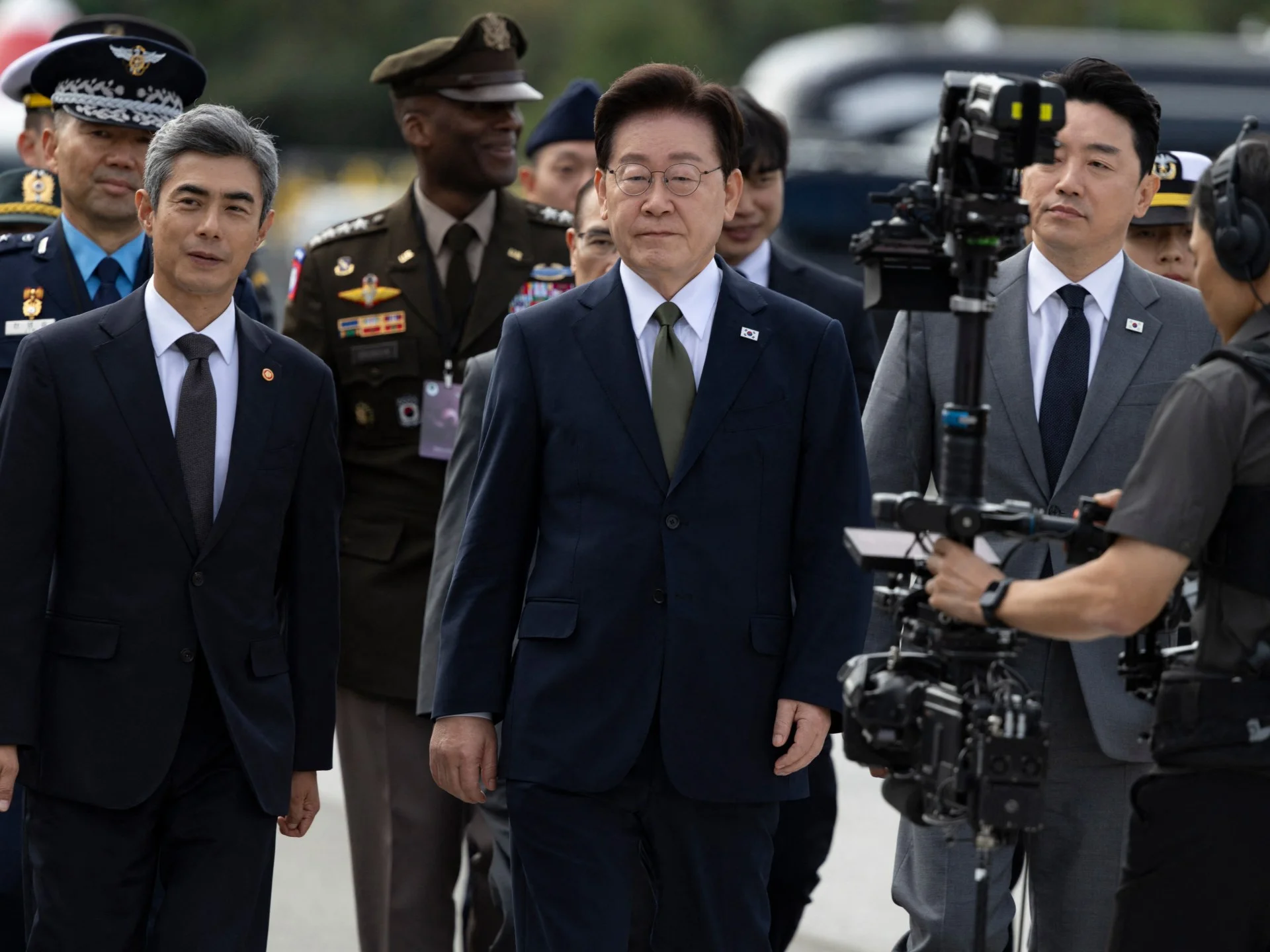
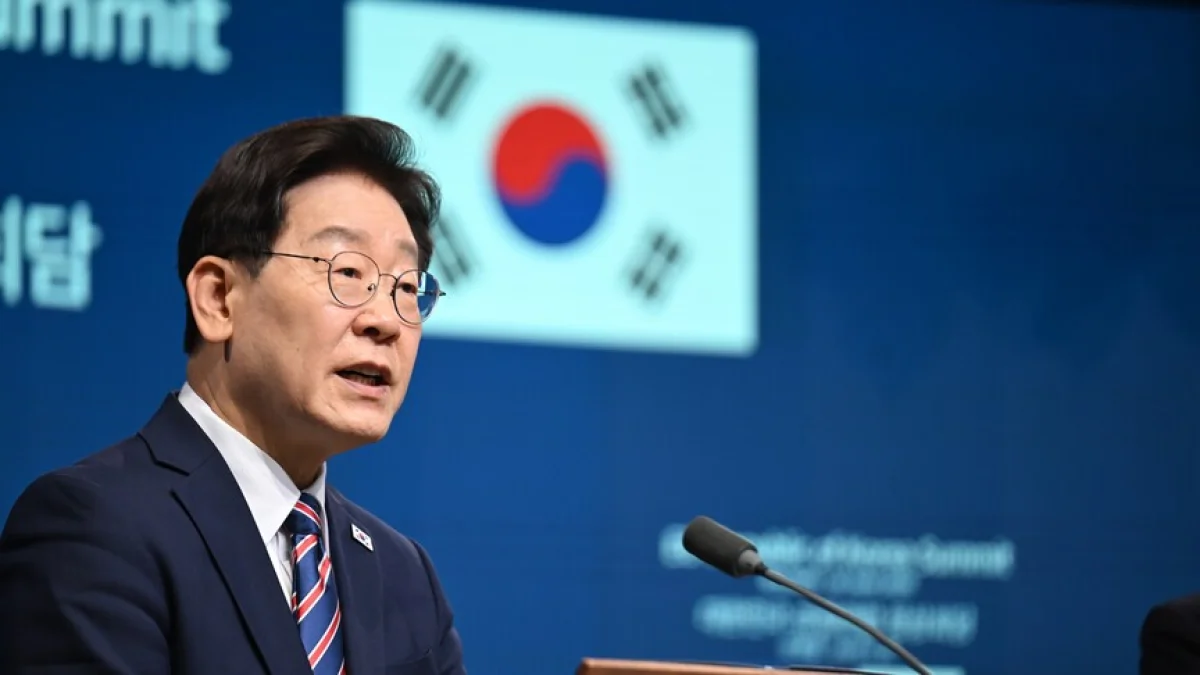
South Korean President Lee Jae Myung has warned that Seoul may take unspecified “further action” if Ukraine does not apologise publicly for disclosing that two North Korean prisoners of war had been sent to South Korea.
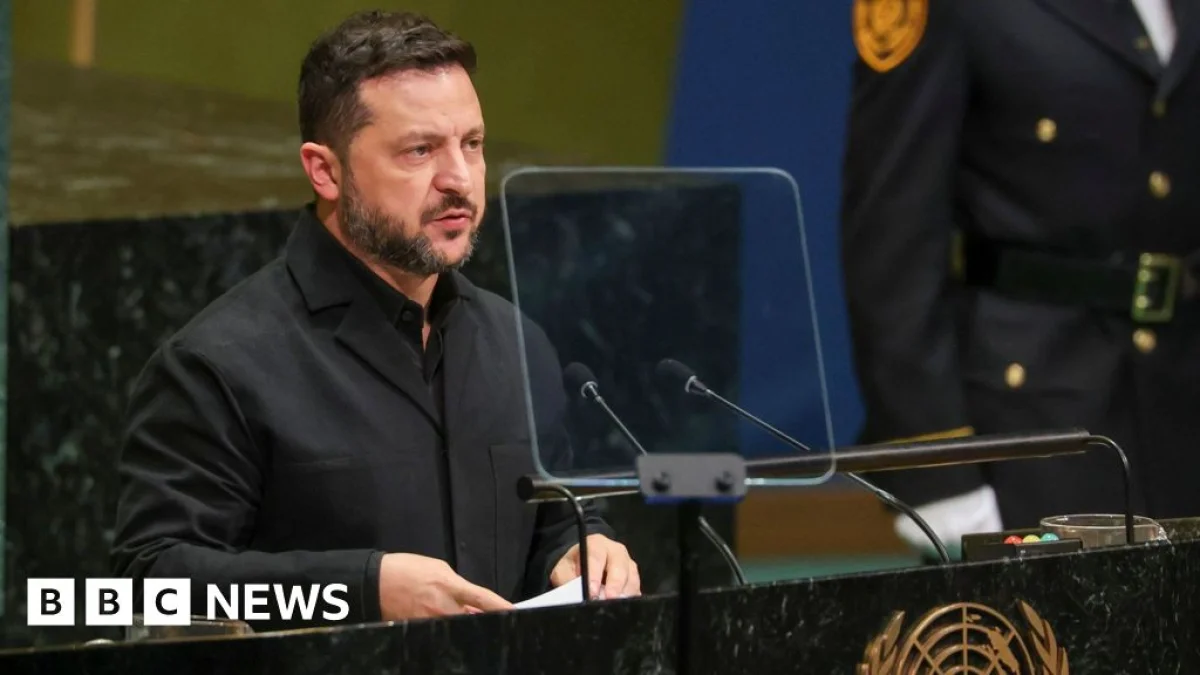
Ukrainian President Volodymyr Zelensky revealed the transfer at the United Nations General Assembly last week. Seoul said the arrangement was meant to remain confidential, according to the BBC.
Dispute over confidentiality
Ukraine’s Foreign Minister Andrii Sybiha described the matter on Thursday as a “diplomatic misunderstanding” and said Kyiv was working to resolve it. Lee rejected that description in a post on X, saying the issue concerned “the dignity of the Korean people and the nation”.
Lee’s office said last week that Ukraine had asked for the transfer to be kept secret, partly to protect the prisoners’ families and partly to avoid criticism that Kyiv had passed up an opportunity to exchange them for Ukrainian prisoners of war. Zelensky’s office said the two countries had no agreement to keep the transfer confidential.
Lee also accused Kyiv of “attempting to provoke a war on the Korean Peninsula”. He said it was regrettable that Ukraine was discussing an imminent military clash between North and South Korea rather than acknowledging the facts of the agreement and apologising.
Kyiv says it hopes to resolve row
Speaking to Ukrainian media on Thursday, Sybiha said he hoped the issue would be settled “in the very near future”. He described South Korea as an important country and said Ukraine wanted continued engagement and concrete results with Seoul.
The two North Korean soldiers were among thousands of North Koreans supporting Russia in its war against Ukraine. They had previously told local media they wanted to be sent to South Korea.
Zelensky’s disclosure prompted criticism of Lee at home, with opposition figures accusing him of concealing the transfer to appease Pyongyang. South Korea has supported Ukraine since Russia’s full-scale invasion but maintains a longstanding policy against supplying lethal weapons to countries engaged in active conflict.