OMM Redaksiyası

South Korea has summoned Ukraine’s acting ambassador after President Volodymyr Zelensky announced that Kyiv had transferred two captured North Korean soldiers to Seoul.
Vice Foreign Minister Park Yoon-joo lodged a formal complaint with Andrii Vieshkin and expressed “strong regret” over the disclosure, which South Korean officials said violated an understanding that the transfer would remain confidential, according to the BBC.
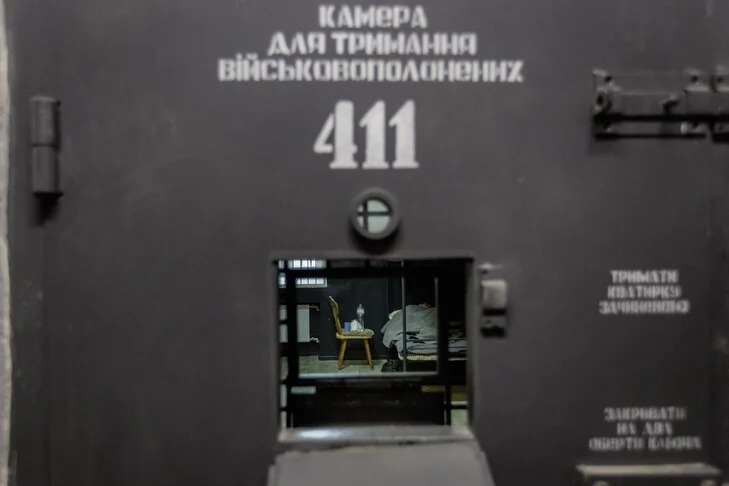
The two North Koreans were among thousands of soldiers deployed to support Russia in the war in Ukraine. They had previously told local media that they wanted to be sent to South Korea.
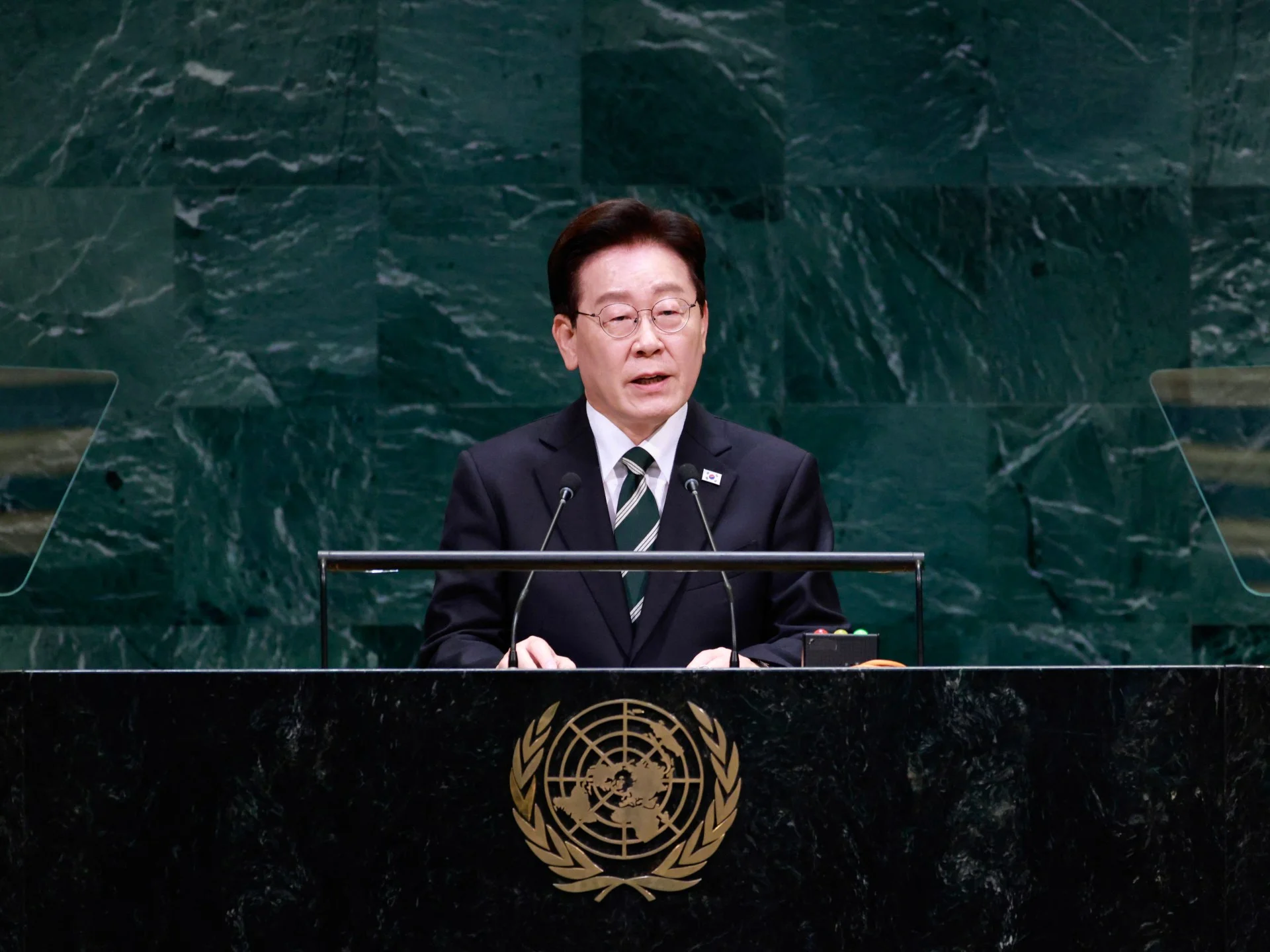
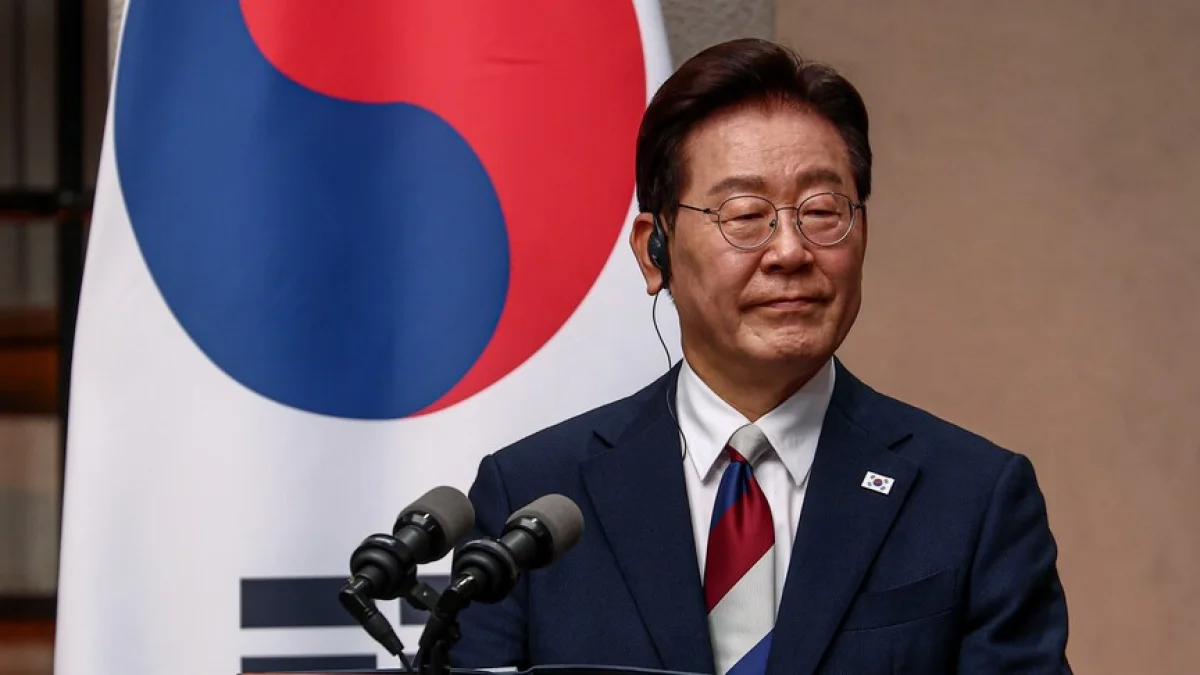
South Korean President Lee Jae-myung described Zelensky’s disclosure as “greatly disappointing” and said the transfer was a “highly sensitive issue” with implications for national security.
Ukraine’s Foreign Ministry declined to comment when approached by the BBC.
Dispute over confidentiality
Ukraine said in early 2025 that its forces had captured the two North Korean soldiers in Russia’s Kursk Oblast. Following more than a year of negotiations between Seoul and Kyiv, Zelensky announced their transfer to South Korea during the UN General Assembly last Wednesday.
He said the soldiers had not been “easy to capture alive”. Seoul confirmed the transfer but criticised Zelensky for allegedly breaking an agreement to keep it secret.
Lee’s office said confidentiality had been requested partly to protect the families of the two North Koreans. Kyiv had also wanted the transfer kept private to avoid criticism that it had given up an opportunity to exchange the soldiers for Ukrainian prisoners of war.
According to the South Korean president’s office, Ukraine had indicated that the soldiers would be mentioned in Zelensky’s address, but not that they had been transferred to South Korea.
The dispute intensified after Zelensky’s office said the two countries had not signed a non-disclosure agreement. Seoul called on Ukraine to apologise for “announcing a falsehood” and said the disclosure had seriously damaged trust between the two countries.
Pressure over military support
Zelensky’s announcement drew criticism of Lee at home. South Korea’s opposition accused him of concealing the transfer in an effort to appease Pyongyang.
Lee’s party has taken a conciliatory approach towards North Korea, and his government has sought to restart peace talks with Pyongyang, so far without success.
South Korea has supported Ukraine since Russia’s full-scale invasion but has maintained its longstanding policy of not providing lethal weapons to countries engaged in active conflicts.
After North Korean troops were deployed to support Russia in 2024, Kyiv increased pressure on Seoul to provide advanced anti-aircraft missiles to help protect Ukraine’s energy infrastructure from Russian drone and missile attacks.
“When North Korea actively participates in a war in Europe, South Korea cannot remain a distant observer,” Mykhailo Podolyak, a senior adviser to Zelensky, said.
“The transfer of defence technologies and capabilities from Seoul to Kyiv is not just about helping Ukraine; it is about South Korea protecting its own long-term security interests by containing the expansion of an aggressive totalitarian axis.”
In July, Seoul announced a $100 million assistance package for Ukraine. Lee’s office said the package would expand on previous non-lethal aid, including helmets, personal armour and medical equipment.
Russia’s Foreign Ministry has warned that it would have “no choice but to retaliate” if South Korea supplied arms to Ukraine, without specifying what action it might take.
South Korea has long maintained ties with countries opposed to the United States. Since the collapse of the Soviet Union, it has sought to expand trade and diplomatic relations with Russia, which borders North Korea, and regards Moscow and Beijing as important partners in efforts to influence Pyongyang.