OMM Redaksiyası

Japan has raised the fee for foreign nationals applying for permanent residency twenty-fold to 200,000 yen ($1,270; £955), as part of a broader overhaul of its immigration policy.
According to the BBC, applicants must also meet new requirements concerning income, pension contributions and Japanese-language ability. The changes come as Japan’s foreign resident population continues to grow amid a severe labour shortage.
Long queues formed at immigration offices
Long queues formed outside immigration offices earlier this week as applicants attempted to submit applications before the higher fees took effect. Tokyo’s main immigration bureau reported waiting times of more than seven hours.
Japan introduced a five-fold increase in visa fees for all foreign nationals in July, the first such increase in 50 years. Authorities said the measure was intended to reflect inflation and fluctuations in exchange rates.
Although immigration remains politically sensitive and restrictive in Japan, the country’s ageing population is increasingly dependent on foreign workers to address labour shortages.
Stricter conditions for permanent residency
Japan’s foreign resident population exceeded 4.12 million at the end of 2025, a record 9.5% increase from the previous year. The rise has also fuelled concerns about immigration and social change.
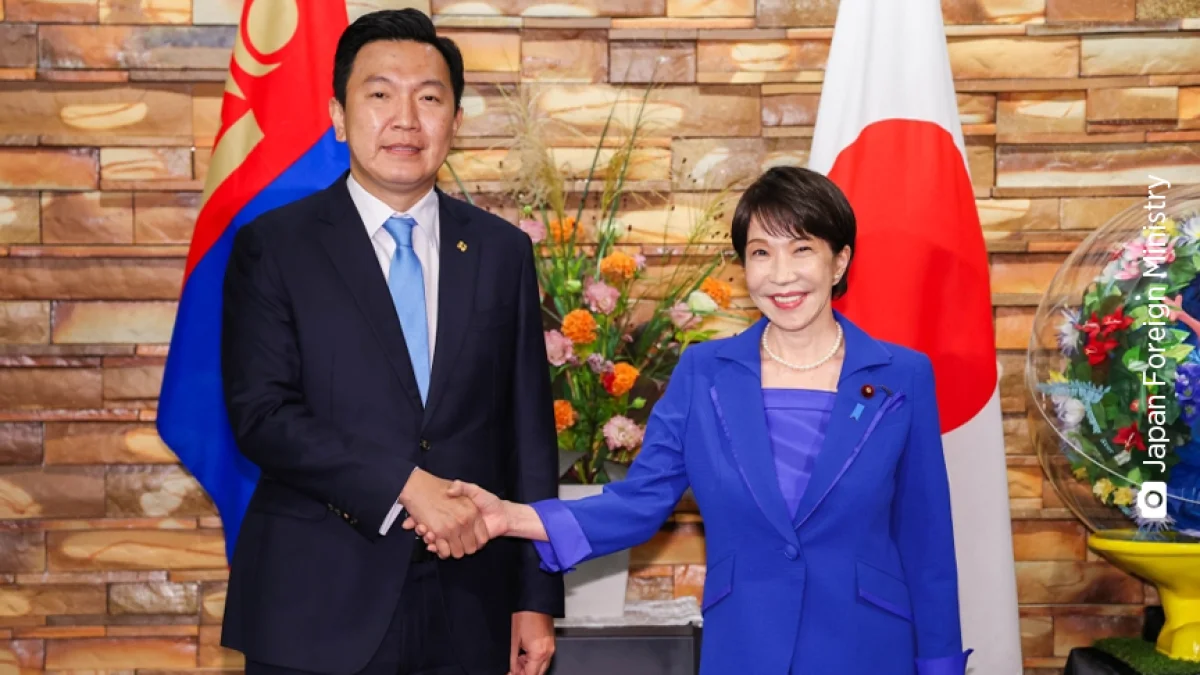
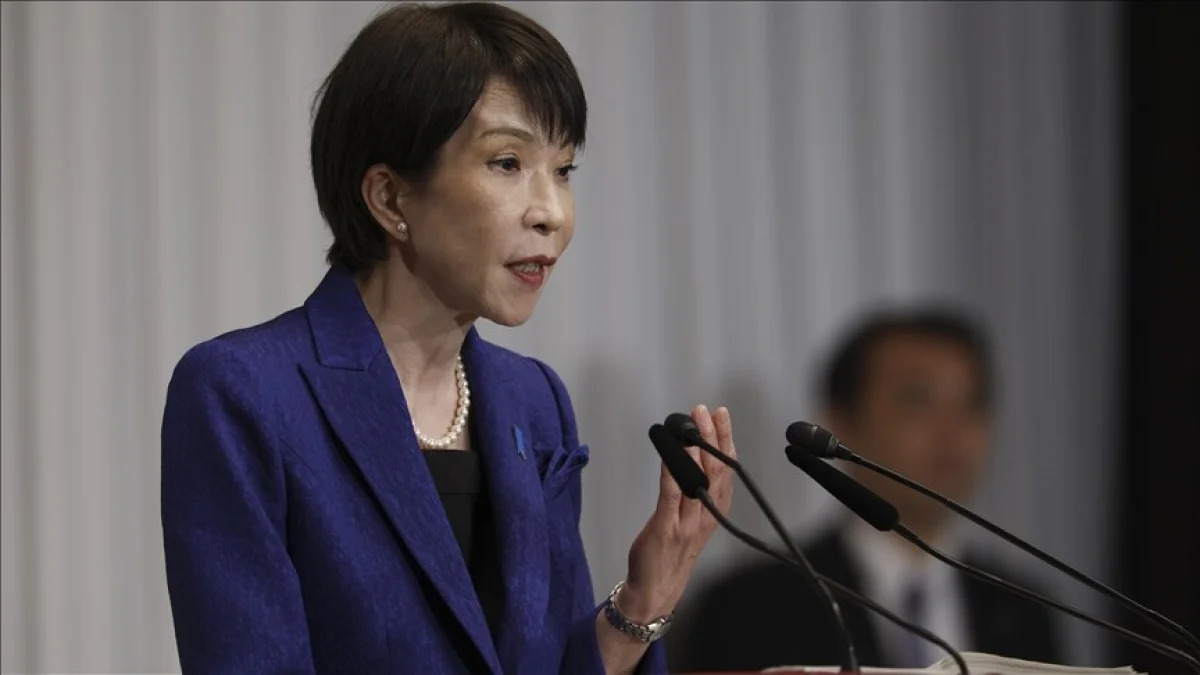
Prime Minister Sanae Takaichi, who took office in October last year, has made immigration management one of her key priorities.
In a post on “X” shortly before the new residency fees took effect, Takaichi said the government recognised that some members of the public might feel “concern or unfairness” as the foreign resident population increased.
“To address these concerns, [the government] is working to ensure that its policies toward foreign nationals are orderly, and that both Japanese citizens and foreign residents can live safely and securely,” she wrote.
Before the increase, non-permanent residents paid 6,000 yen each time they applied to change their residency status or extend their period of stay. From 1 October, the fee ranges from 10,000 yen for stays of three months or less to 75,000 yen for stays of five years or more.
Applicants experiencing financial hardship and people recognised as refugees will be eligible for discounts.
Applicants for permanent residency must now have a stable income at or above the Japanese average. Data released in July showed that average household income stood at 5.75 million yen in 2024.
Language and pension rules to tighten
Micaiah Michaela-Spence, who has lived and worked in Tokyo for 10 years, was unable to gather the required documents before the fee increase. The 37-year-old still plans to apply but questioned the new measures.
“My immediate reaction was that foreigners were being treated a bit too conveniently. We're being asked to make more than the average Japanese person, pay a significantly higher fee, just to be able to work in Japan and provide taxes,” he told the BBC.
“There’s already a significant language and cultural barrier that prevents some talent from coming over. This just doesn’t strike me as a plan that was thought out to the long term,” he said.
From April next year, permanent residency applicants will face additional requirements, including basic Japanese-language proficiency. Local media reported a surge in enrolments at Japanese language schools and in registrations for the Japanese-Language Proficiency Test.
Applicants’ expected pension benefits must also be equivalent to those of a person enrolled in the employee pension system for 30 years. However, financial assets may be taken into account if expected pension benefits fall short.