 OMM Redaksiyası

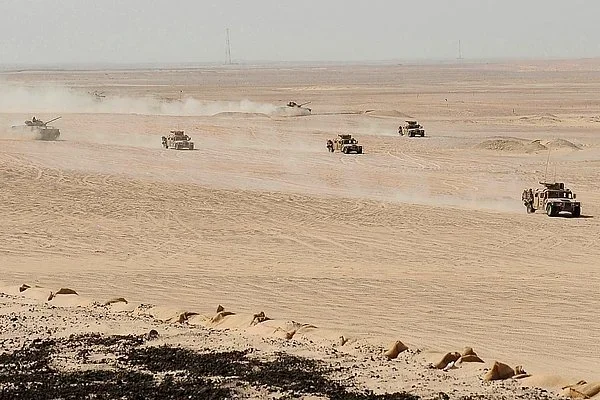
Gulf countries are facing mounting pressure in aviation, defense and critical infrastructure. Conflict, changes in security cooperation and threats to water supplies are shaping the region’s risk landscape.
Aviation safety in focus
Since conflict began in February 2026, air navigation problems have emerged in the Gulf. An incident involving flydubai flight FZ1073 on September 30 has heightened concerns about aviation safety.
Indian captain Smith Machar opened the cockpit door despite suffering a knife wound. This allowed passengers and crew members to subdue a suspected attacker. The two other pilots aboard then took control and landed the aircraft safely in Tabuk, Saudi Arabia.
Israeli Prime Minister Benjamin Netanyahu praised Machar’s actions, calling him “a true hero.”
Warnings over Gulf airspace
The European Union Aviation Safety Agency (EASA) has tightened its warning concerning Saudi Arabian airspace. The agency has extended its recommendations concerning parts of the airspace and territorial waters of Iran and Iraq, as well as several Gulf states.
Aviation operations in the United Arab Emirates have also faced interruptions. Flights by Iranian airlines to and from the UAE have been suspended until further notice.
At the same time, the United States is reducing some elements of its military presence in the region, while Gulf countries consider alternative security arrangements. Qatar has called for a new regional security framework that would include Iran. Saudi Arabia, Türkiye and Pakistan signed the Mecca Joint Defense Agreement in August.
Regional cooperation and water security
Saudi Arabia and the UAE are seeking to improve relations amid shifting regional security conditions. Saudi Crown Prince Mohammed bin Salman met Sheikh Mansour bin Zayed Al Nahyan, Vice President of the UAE, in Riyadh. They discussed easing tensions between the two sides. Renewed attacks by Iran-linked Houthis have also become a shared security concern for the two countries.
The war with Iran has also highlighted the Gulf region’s vulnerability in terms of water security. Heavy reliance on desalination plants, imported food and coastal infrastructure means that attacks on these facilities, or major disruptions to their operations, could have far-reaching consequences for the economy and national security.
Several Gulf countries have limited natural freshwater resources and rely on desalination to supply drinking water. Conflict, climate pressures and economic expansion are increasing the strategic importance of water infrastructure.