 OMM Redaksiyası

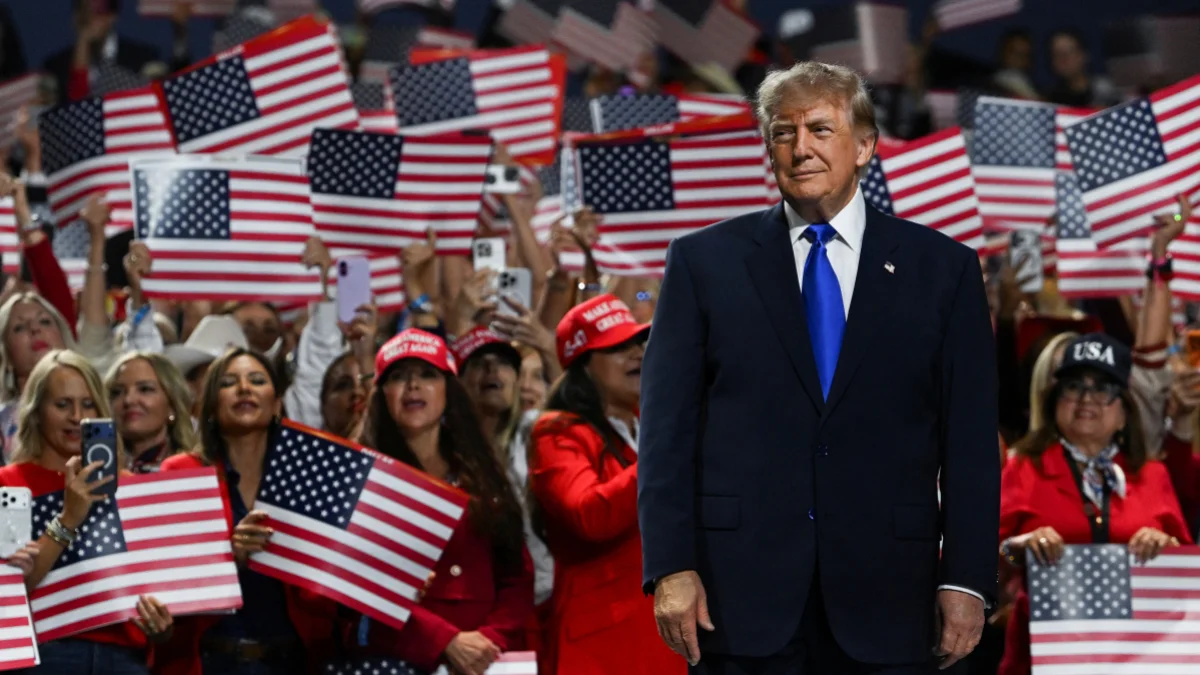
Television advertisements featuring US President Donald Trump and broadcast with public funding have triggered political and legal debate in the country. Critics say the ads resemble campaign messages ahead of the midterm elections.
Three advertisements broadcast nationwide carry the notice “Paid for by the US government.” The White House has presented the spots as public service announcements promoting patriotism.
What messages do the ads convey?
In one of the advertisements, Trump says, “America will never be a communist country,” while a choir repeatedly sings “love me” in the background. Another spot features images of Mount Rushmore and the president discussing what he calls “America’s golden age.”
The third advertisement uses footage and messages from a spot prepared for Trump’s 2024 presidential campaign. In that video, he speaks of a “final battle” and pledges to dismantle the “deep state.” The publicly funded version includes a notice stating that it was paid for with taxpayers’ money.
The advertisements have aired during television programs with large audiences, including NFL games and “Saturday Night Live.” The White House said they were intended to remind Americans to love their country and explain why it deserves to be defended.
The name of the government agency that financed the ads and the total expenditure have not been disclosed.
Objections from both parties
Republican Senate Majority Leader John Thune said he liked the message but that the advertisements should not be financed at taxpayers’ expense. Republican Senator John Kennedy of Louisiana also said public funds should not be used by government officials to promote themselves.
Democratic Senator Maggie Hassan has requested information on the cost of producing the advertisements, their sources of funding and their legal basis.
The criticism comes shortly before the midterm elections scheduled for November. The elections will determine the balance of power in Congress.
Legal restrictions
Legal experts have questioned whether the advertisements comply with federal rules governing the use of government funds for public relations and political activities.
Richard Painter, who served as chief ethics counsel at the White House during the administration of former US President George W. Bush, said the advertisements could violate federal laws regulating government-funded communications.
Some experts have also pointed to the Hatch Act, which limits political activity by federal employees. Although the president is exempt from the law, questions could arise over the involvement of other government employees and resources in the process.
The US Government Accountability Office has previously said that restrictions on government agencies’ public information activities may apply to materials that are purely partisan, self-promotional or covert in nature. At the same time, agencies are permitted to disseminate information about policies and programs.
A final assessment of whether the current advertisements violate federal law will depend on the agencies that produced them, the funding used, and the way the materials were created and broadcast.
According to information from AdImpact cited in the material, groups linked to Republicans have booked at least $888 million in advertising time for the coming weeks, while groups linked to Democrats have booked at least $666 million.
The White House says the advertisements are not political because they do not explicitly tell viewers whom to vote for. However, the central issue in the dispute is the broadcasting, at taxpayers’ expense, of spots that place the president at the forefront and use themes and images associated with his political messages.