OMM Redaksiyası

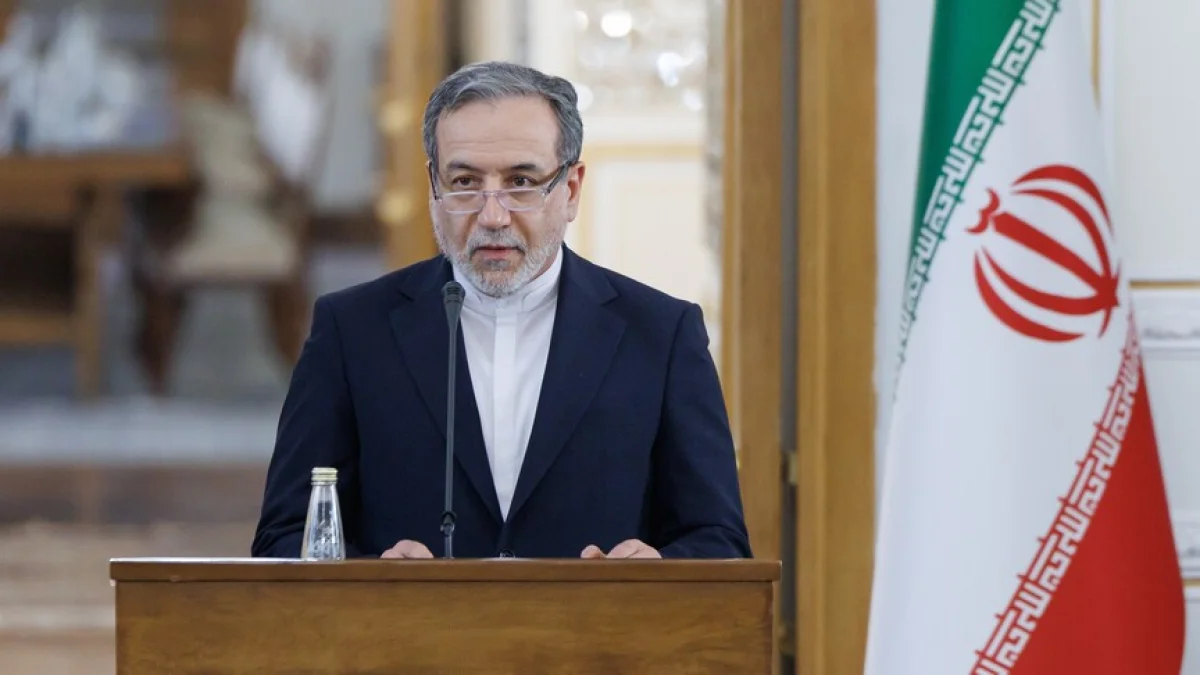
Iranian Foreign Minister Abbas Araghchi met Qatari mediators in New York to discuss a proposal for reopening the Strait of Hormuz, as Washington said any agreement to end the war must address Tehran’s nuclear programme, Al Jazeera reported.
Araghchi told Iranian state media on Monday that the Qatari mediators would present the ideas discussed during the meeting to the United States. He said he expected Washington’s final response by Tuesday but planned to return to Tehran within hours.
“We talked about ideas and how to find solutions to fulfil Iran’s conditions and how to implement those conditions,” Araghchi said. He added that the talks were part of an existing exchange of messages through Qatari and Pakistani mediators, which had become “more serious” since Iran submitted its proposal.
Iran seeks reopening of the Strait of Hormuz
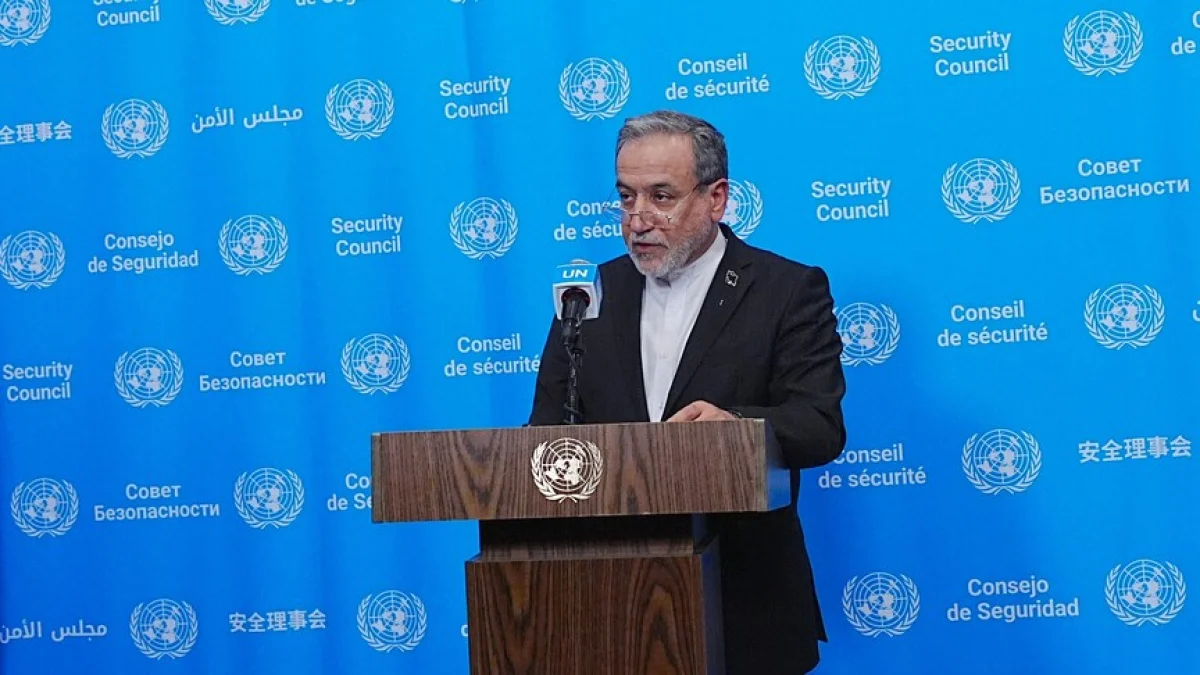
Iran announced the plan on Friday during the United Nations General Assembly in New York. It calls on the United States to release frozen Iranian funds, lift sanctions and end its naval blockade of Iranian ports.
Araghchi said those steps could be completed within four or five days, allowing the strait to reopen. Negotiations on a final agreement, including Iran’s nuclear programme, could then begin by the seventh day.
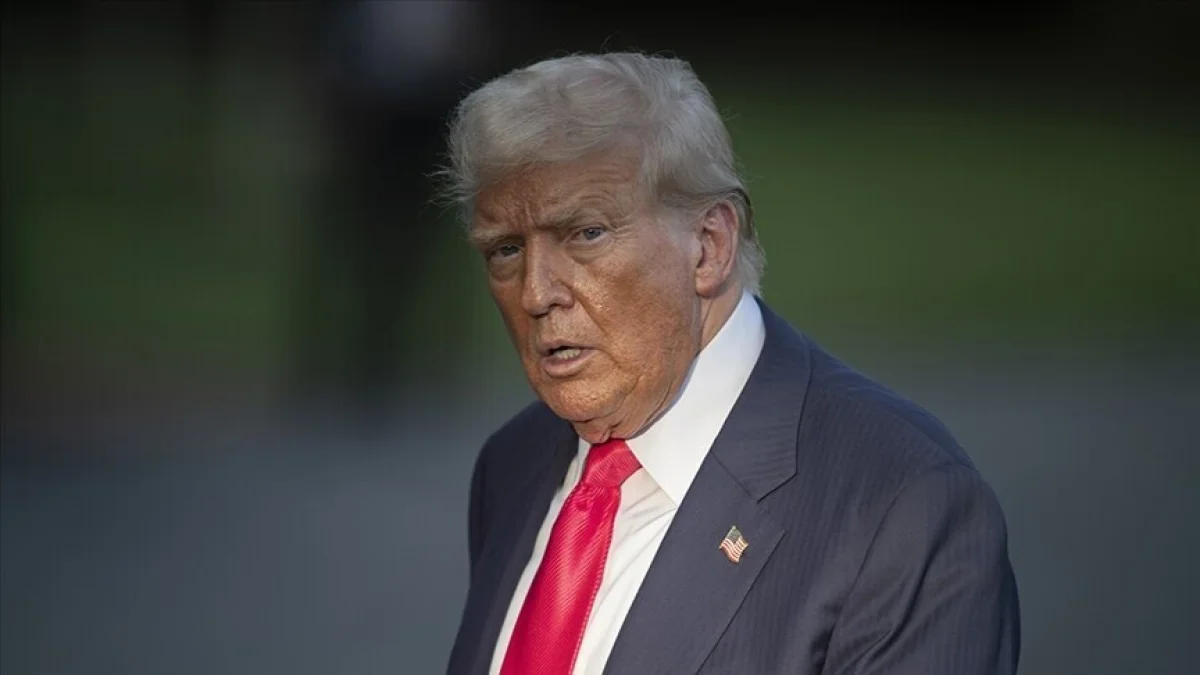
US President Donald Trump rejected the proposal on Saturday, describing it as “unacceptable”.
Washington says nuclear issues remain unresolved
A US official told Al Jazeera that indirect discussions were continuing and described them as “positive and constructive”. However, the official said there would be no agreement unless Iran’s nuclear programme was addressed.
According to the official, Trump is prepared to ease sanctions and release Iran’s frozen funds in return for progress on nuclear issues. The official said Iran had indicated flexibility, but the two sides remained divided over the timing of their commitments and which party should act first.
The official also accused Iran of violating a memorandum of understanding signed in June by firing on commercial vessels. Tehran denies the accusation and says Washington breached its own commitments by failing to halt Israel’s attacks on Lebanon and by seeking alternative shipping routes through the Strait of Hormuz.
Shipping disrupted after the strait was closed
Iran closed the Strait of Hormuz shortly after the United States and Israel launched their offensive on February 28. Before the war, the waterway handled about 20% of global oil and gas supplies. Iranian attacks on vessels have since sharply reduced shipping, while oil prices have risen above $100 a barrel.
Crude exports from major Middle Eastern producers recovered to 12.8 million barrels per day in September, their highest level since the war began, Reuters reported, citing maritime intelligence firm Kpler. The figure remained below the 18.8 million barrels per day exported in February.
Some vessels have used a US military-supervised route along Oman’s coast, travelling at night with tracking systems switched off and transferring oil to tankers outside the strait. US Central Command chief Admiral Brad Cooper said on Saturday that American forces had assisted 2,000 transits involving more than 1 billion barrels of oil in recent months.
The United States has also imposed a blockade on Iranian ports and threatened secondary sanctions against airports and companies working with Iranian airlines. The United Arab Emirates, Iraq and Oman have cancelled related flights.
Iranian officials issue warnings
Trump told reporters on Monday that US officials had also spoken with mediators and insisted that Washington would prevail. “We’re going to win,” he said, adding that the conflict would end “pretty quickly” and that gas prices would fall after a US victory.
Iranian officials adopted a defiant tone. Supreme Leader Mojtaba Khamenei said in a message marking the Iran-Iraq War and Israel’s 2024 killing of Hezbollah leader Hassan Nasrallah that foreign domination had ended.
Major-General Ali Abdollahi, the armed forces chief of staff, warned that Iran and allied forces would deliver a “decisive and devastating response” to any threat against the country.
Rear Admiral Habibollah Sayyari said the Strait of Hormuz remained closed and that Iranian forces were ready to prevent enemy forces from entering the country.