 OMM Redaksiyası

Saudi Arabia’s Foreign Minister Prince Faisal bin Farhan traveled to Washington on Monday to meet with US Secretary of State Marco Rubio. The talks come as Houthi attacks intensify, increasing pressure on Riyadh.
Riyadh is seeking broader security support from the United States. Attacks by the Iran-backed Houthis are also threatening shipping in the Red Sea.
Riyadh seeks military support from the US
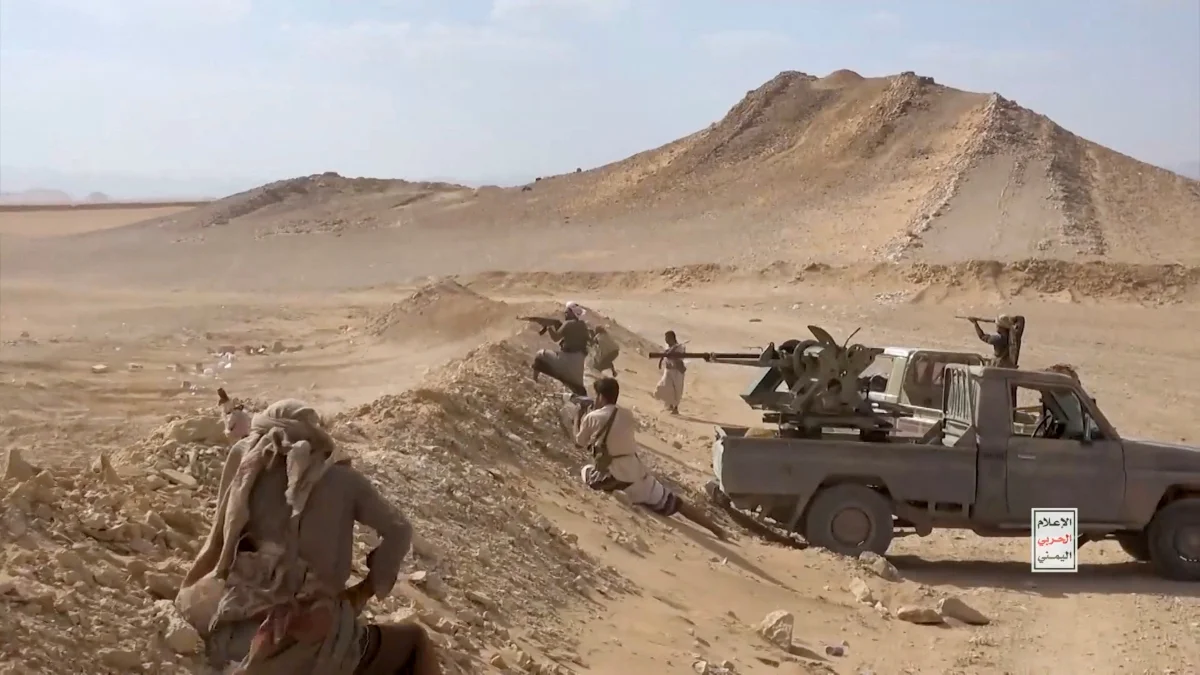
Saudi Arabia has asked Washington for military assistance against the Houthis. According to information published by Reuters citing sources, the United States has so far refused to strike the Houthis but has agreed to provide Riyadh with intelligence and assistance in identifying targets.
The kingdom itself has faced missile and drone attacks by the Houthis. Two ballistic missiles and two drones were reportedly intercepted near Saudi Arabia.
The Houthis, however, distinguish between Saudi and US targets. Mohammed al-Bukhaiti, a senior group representative, told the Associated Press on Sept. 20 that the Houthis did not intend to attack US vessels in the Red Sea. At the same time, he urged countries not to support Saudi Arabia.
US President Donald Trump has also said the Houthis assured Washington that American shipping would not be targeted. This situation is leaving Saudi Arabia exposed to more direct military pressure while it seeks greater support from the United States.
Red Sea crisis could raise global costs
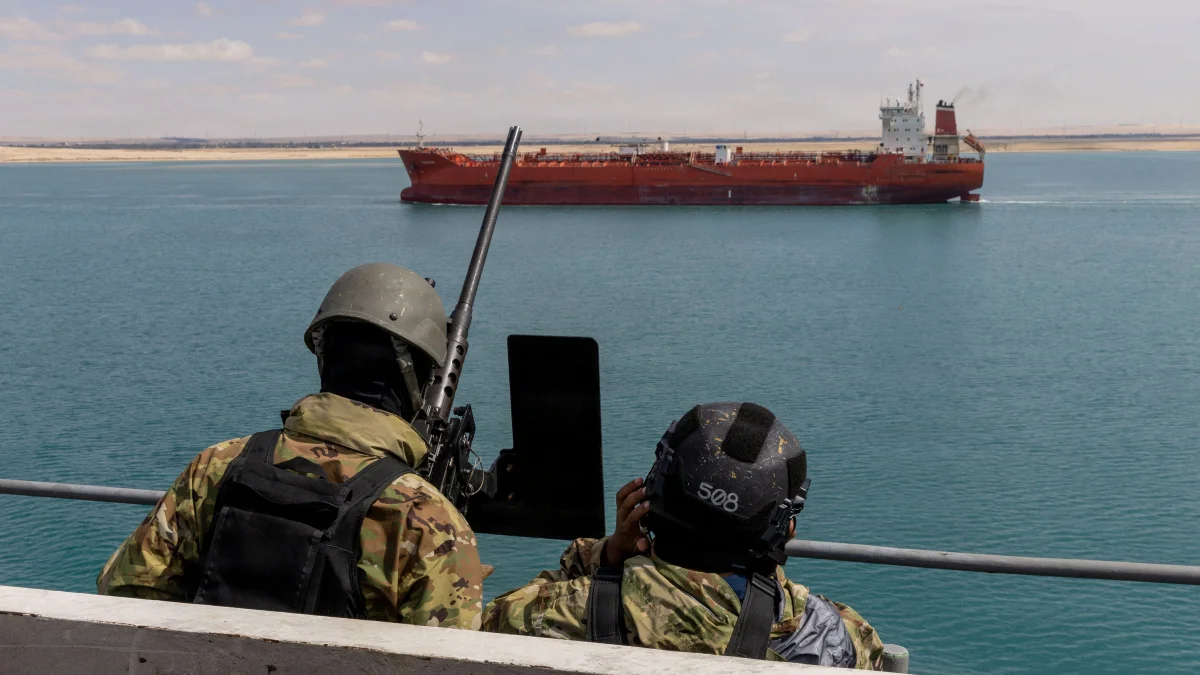
The Red Sea provides access to the Suez Canal, one of the world’s most important trade routes. About 26,000 vessels passed through the canal in 2023. By volume, the route accounts for roughly 10% of global maritime trade and 22% of container shipping.
Finished products, consumer goods, machinery and equipment, components, energy products and other cargoes are transported along the route between Asia, Europe, the Mediterranean and the US East Coast.
Disruptions to shipping could increase freight, insurance and fuel costs for US companies. Vessels are being forced to use alternative, longer routes.
By mid-2024, the tonnage of vessels passing through the Suez Canal had fallen by about 70%. During the same period, vessel traffic around the Cape of Good Hope at the southern tip of Africa rose by 89%. According to the UN Conference on Trade and Development, route diversions increased global demand for shipping capacity by 3% and demand for container ships by 12%.
Saudi oil route also under pressure
Another major risk for Saudi Arabia is the threat to its oil infrastructure. The 1,200-kilometer East-West oil pipeline transports crude from fields in the country’s east to the Red Sea, allowing Saudi Arabia to bypass the Strait of Hormuz.
According to Reuters, the pipeline carried about 4 million to 5 million barrels of oil per day in recent months. This volume represents roughly 4% to 5% of global oil supplies.
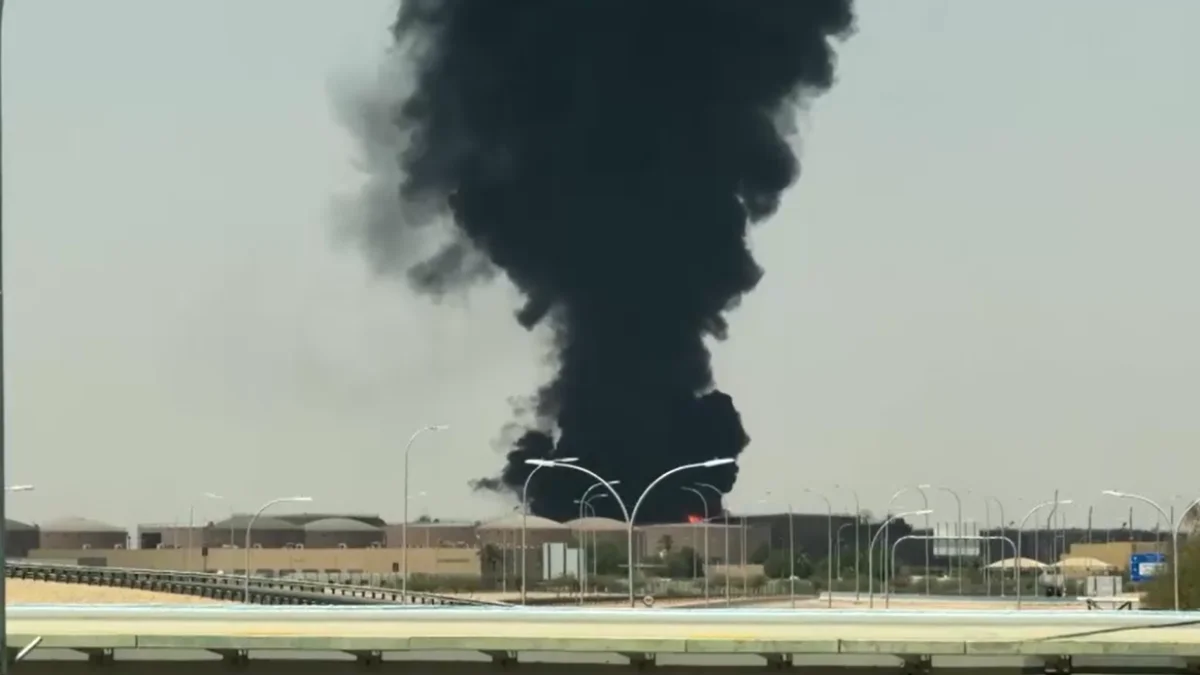
Operations on the pipeline were temporarily suspended after a drone attack on Sept. 13, forcing Saudi Arabia to direct more oil to terminals on the Gulf coast.
On Sept. 20, Saudi Aramco loaded about 14 million barrels of crude onto seven large tankers at the Ras Tanura port. The volume of Saudi oil passing through the Strait of Hormuz also rose to 2.9 million barrels per day from about 700,000 barrels per day in August.
Washington faces a difficult choice
Against this backdrop, the meeting between Faisal bin Farhan and Marco Rubio carries significance beyond bilateral relations. Washington must support an ally whose oil infrastructure and shipping routes are under pressure while also taking into account signals from the Houthis that they intend to keep US vessels out of the confrontation.
The central question for the United States is how much support to provide for Saudi Arabia’s security without becoming drawn into a broader military presence in Yemen. Riyadh wants stronger defenses, while the Houthis seek to avoid direct confrontation with the United States and continue pressuring Saudi Arabia.
A prolonged disruption of the Red Sea route could affect shipping costs, energy markets and, ultimately, the prices paid by companies and consumers worldwide.