 OMM Redaksiyası

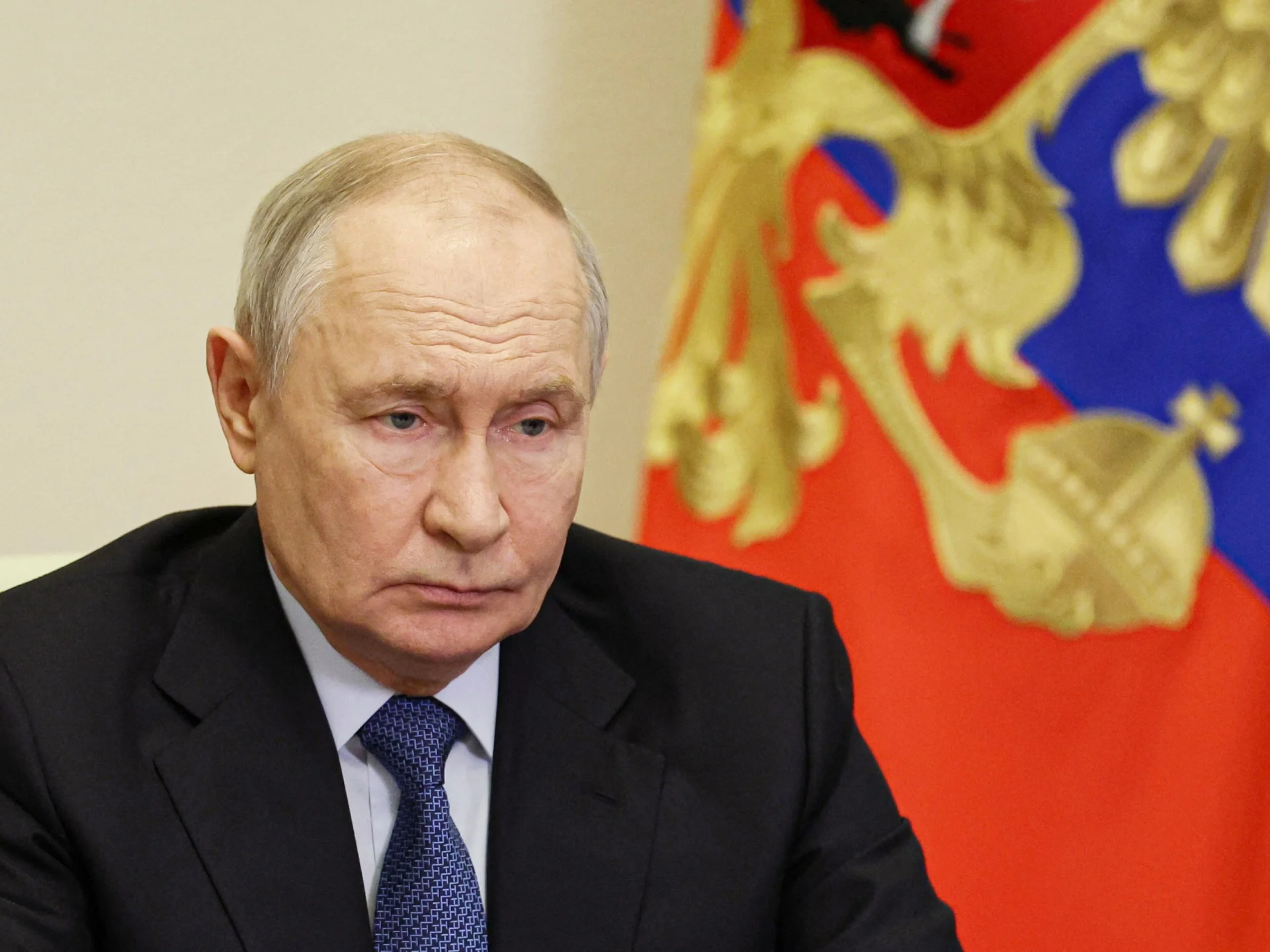
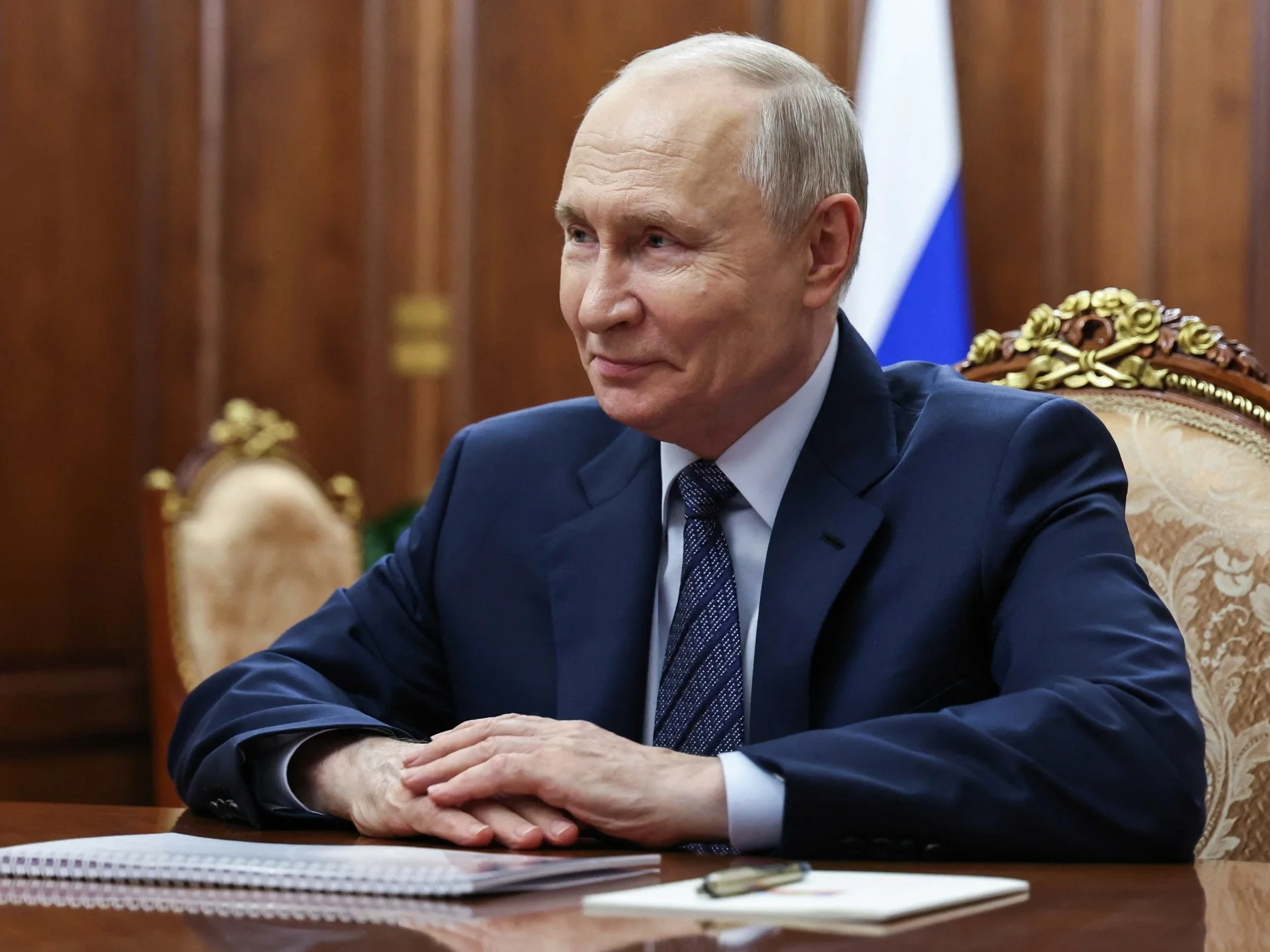
Russian President Vladimir Putin has shown no clear sign that he is preparing to end Moscow’s full-scale war in Ukraine, with recent statements and developments suggesting that the Kremlin remains confident it can achieve a military victory.
According to the BBC, last month’s legislative election gave Putin’s ruling United Russia party its largest-ever majority in the State Duma. The result has allowed the Kremlin to claim a strong mandate from the Russian people, though it remains unclear how the president intends to use that political backing.
Russia signals continued pressure on Ukraine
Russian media reports indicate that Moscow is encouraged by Ukraine’s reported shortage of air-defence missiles and expects its strikes to place greater pressure on the country during the winter.
Kyiv has acknowledged difficulties in intercepting Russian ballistic missiles and new jet-powered drones, which have been used in daily attacks. Despite heavy battlefield losses and growing economic damage, Putin’s public statements suggest he believes Russia can continue the war.
The Russian president was also expected to discuss his foreign-policy outlook at the Valdai Discussion Club in Moscow, an annual forum where his speeches have traditionally provided insight into the Kremlin’s strategic thinking.
Moscow accuses Europe of waging war
Russia has urged European countries to reduce their military and financial support for Ukraine, arguing that Western assistance is prolonging the conflict and preventing a Russian victory.
Western officials accuse Moscow of conducting an escalating hybrid campaign against European countries, including cyberattacks, sabotage and alleged violations of European airspace by Russian drones. In Germany, a drone carrying an explosive device was reportedly found near Ukrainian cargo aircraft at Leipzig airport.
Russian Foreign Minister Sergei Lavrov rejected the description of Moscow’s actions as hybrid warfare. He argued that European weapons supplied to Ukraine are being used against Russia and said Moscow had long viewed the conflict as a war waged by Europe against Russia.
That position is central to the Kremlin’s narrative, although it does not acknowledge that Russia launched its full-scale invasion of Ukraine in 2022 and continues to conduct military operations there.
Threats of escalation
There is little indication that Russia is preparing to launch a direct military conflict with a NATO member. After more than four and a half years of war, Russia has not succeeded in occupying the entire Donbas region in eastern Ukraine, which borders Russia.
However, analysts believe Moscow may seek to frighten European governments and weaken their support for Kyiv rather than directly attack them.
Sergei Karaganov, an influential Russian foreign-policy strategist and honorary chairman of the Council for Foreign and Defence Policy, has warned that continued European support for Ukraine could lead to escalation. He said a potential first wave of attacks would be conventional, but suggested Russia could resort to nuclear weapons if Europe did not surrender.
Karaganov acknowledged that Russia had suffered substantial casualties but argued that Moscow was now taking a harsher approach in Ukraine. He said Russia was “doing away with Ukraine as a viable state”.
If that is indeed Moscow’s objective, the conflict is unlikely to end soon.
Lavrov has also continued to accuse Western countries of using “brute force” around the world, citing US actions in Venezuela and Iran. When asked whether Russia was itself using brute force in Ukraine, he described Russian attacks as efforts to eliminate what he called a direct threat posed by a Western-backed “Nazi regime”.
The claim that Ukraine is a neo-Nazi state is part of the Kremlin’s official narrative and has been used to justify Russia’s military actions. Moscow’s continued rhetoric and admission that it is using force in Ukraine provide further indications that it is not currently seeking to halt the war.