OMM Redaksiyası

At least 52 civilians have been killed in three days of heavy fighting around Alamata in Ethiopia’s northern Tigray region, hospital sources told the BBC.
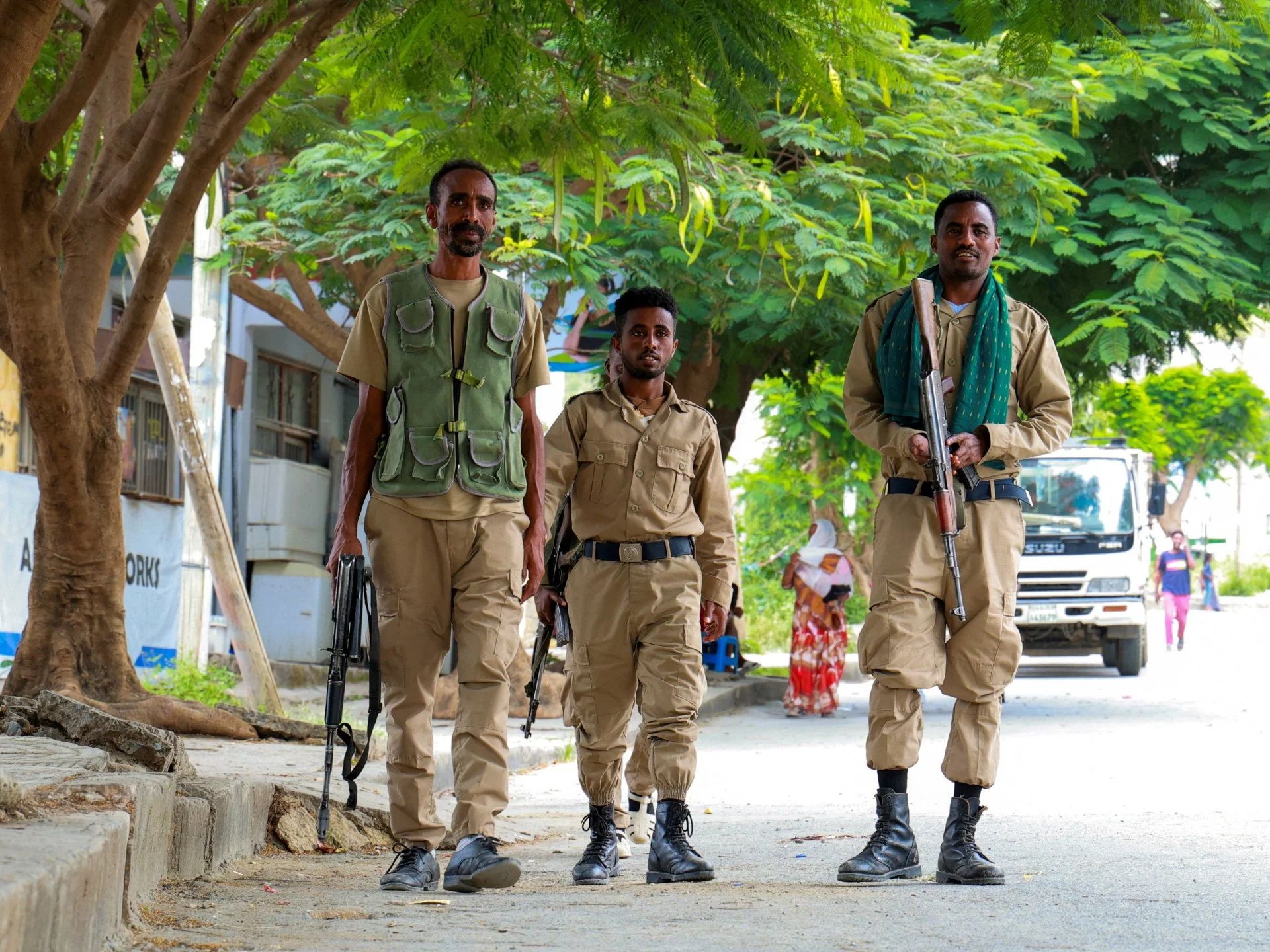
Government troops appear to have taken control of the town from regional fighters and are reportedly preparing to advance north towards Mekelle, Tigray’s main city. Videos shared on social media showed army tanks on Alamata’s streets.
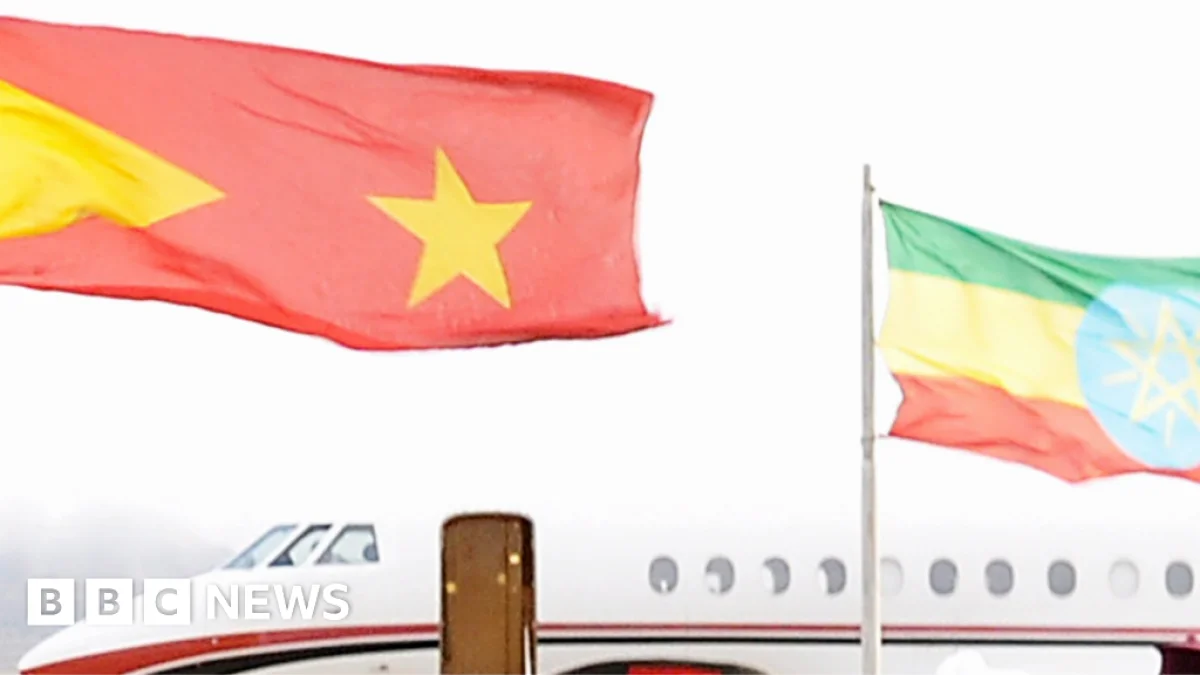
Clashes broke out last week following months of tension between Ethiopia’s federal government and the Tigray People’s Liberation Front (TPLF), the party that controls the region. Both sides accuse each other of violating a 2022 agreement that ended a two-year civil war, according to the BBC.
Fighting spreads to neighbouring regions
The violence has also affected neighbouring areas, with 33 tourists stranded for a week in Lalibela, a UNESCO World Heritage site in the Amhara region.
“We have heard fighting, gunfire and artillery cannons firing throughout the week,” a British tourist, who asked not to be named, told the BBC’s Newsday programme.
Lalibela is known for its 13th-century rock-hewn churches and is a major pilgrimage site for Orthodox Christians. The fighting near the town has involved government forces and an Amhara militia allied with Tigrayan fighters.
Earlier in September, the groups joined other Ethiopian armed movements to establish a seven-member alliance that said it aimed to remove the government in Addis Ababa.
There are also concerns that neighbouring Eritrea could become involved. The Ethiopian government accuses Asmara of supporting armed groups, a claim Eritrea denies.
Communications in Tigray and surrounding areas have been cut, making it difficult to independently verify developments. The BBC said it is unable to report from the region.
Dispute over who started the clashes
The two sides have given conflicting accounts of how the latest fighting began.
The TPLF says it responded to a federal offensive, including drone strikes. The Ethiopian government says Tigrayan forces launched the attacks after taking control of airports in the region.
TPLF fighters are also engaged in clashes in the Afar region, a strategically important area linking landlocked Ethiopia to Djibouti and its ports.
Medical charity Médecins Sans Frontières said more than 700 wounded people had been admitted to hospitals it supports in Tigray in recent days.
A doctor at Alamata General Hospital, who requested anonymity, said fighting in and around the town took place from Saturday to Monday and involved heavy explosives and artillery. Some shells reportedly struck residential homes.
The dead included children as young as three days old, mothers and cattle herders, the doctor said. Twelve people were killed in a single strike on the town’s marketplace.
Banking and communications disrupted
Since the fighting began, the Ethiopian government has suspended banking services in Tigray. Internet access has also been cut, although it is unclear who ordered the shutdown.
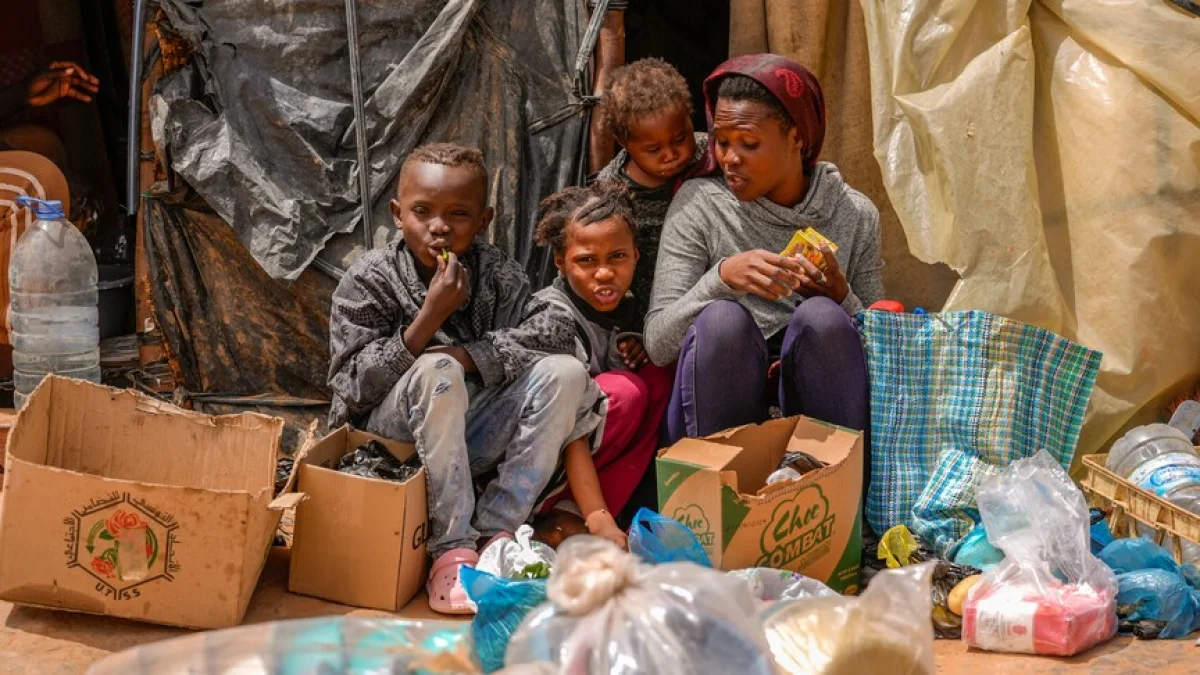
A source in Alamata told the BBC that the humanitarian situation was deteriorating as people fleeing nearby fighting arrived in the town.
“Unfortunately, everything is blocked — no banking service, no money transfer, no power, no internet, no phone. Hence people are in crisis, simply suffering, everyone is desperate and frustrated.”
The British tourist said online banking was operating in Lalibela but cash was in short supply. He added that the situation had eased over the previous two days and that there were indications the airport, still being used by the military, could reopen on Thursday.
When commercial flights were suspended, 53 tourists were in Lalibela. Some have since been evacuated, including 14 Israelis who left by military helicopter on Monday. Five others departed the previous day in a convoy organised by a non-governmental organisation, despite advice against travelling by road.
The tourists still stranded include Americans, Israelis, Britons, South Koreans, South Africans, an Ethiopian-New Zealander and a Mexican, according to the British traveller.
Meanwhile, the Tigray Broadcasting Service, based in Addis Ababa, has launched an initiative to help families separated by the telecommunications blackout. It plans to collect video messages through its Telegram channel and broadcast them via satellite television.
The disruption to banking services is also affecting Tigrayans living outside the region. Customers told the BBC that accounts opened in Tigray had been frozen or restricted.
“Many Tigrayans are now in trouble,” a former Mekelle resident who moved to Addis Ababa two months ago told the BBC’s Tigrinya service.