 OMM Redaksiyası

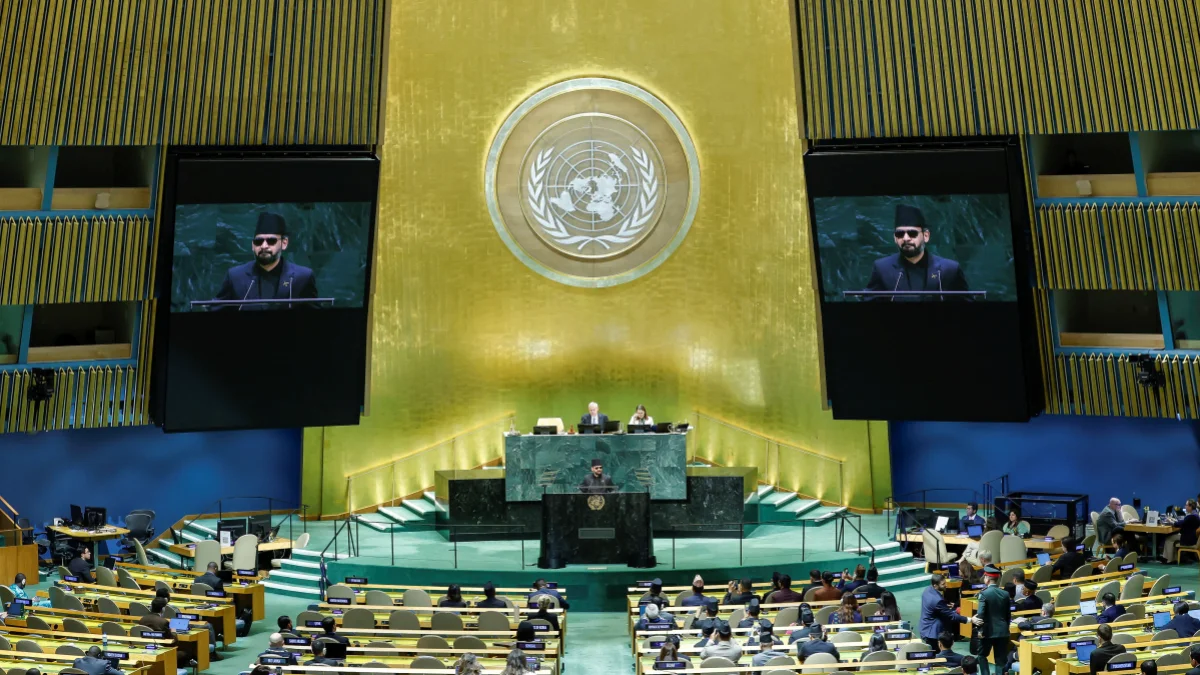
The consequences of the war in the Middle East are no longer limited to a single front. This week, representatives of Israel, Iran, Syria and Yemen presented differing positions on the regional situation at the United Nations General Assembly.
The speeches showed that the Middle East is changing amid simultaneous military confrontation, diplomatic realignment and growing pressure on trade and energy routes. The most severe consequences of the crisis, however, are being felt far from the UN chamber — in the Gulf and the Red Sea.
Different positions on the region at the UN
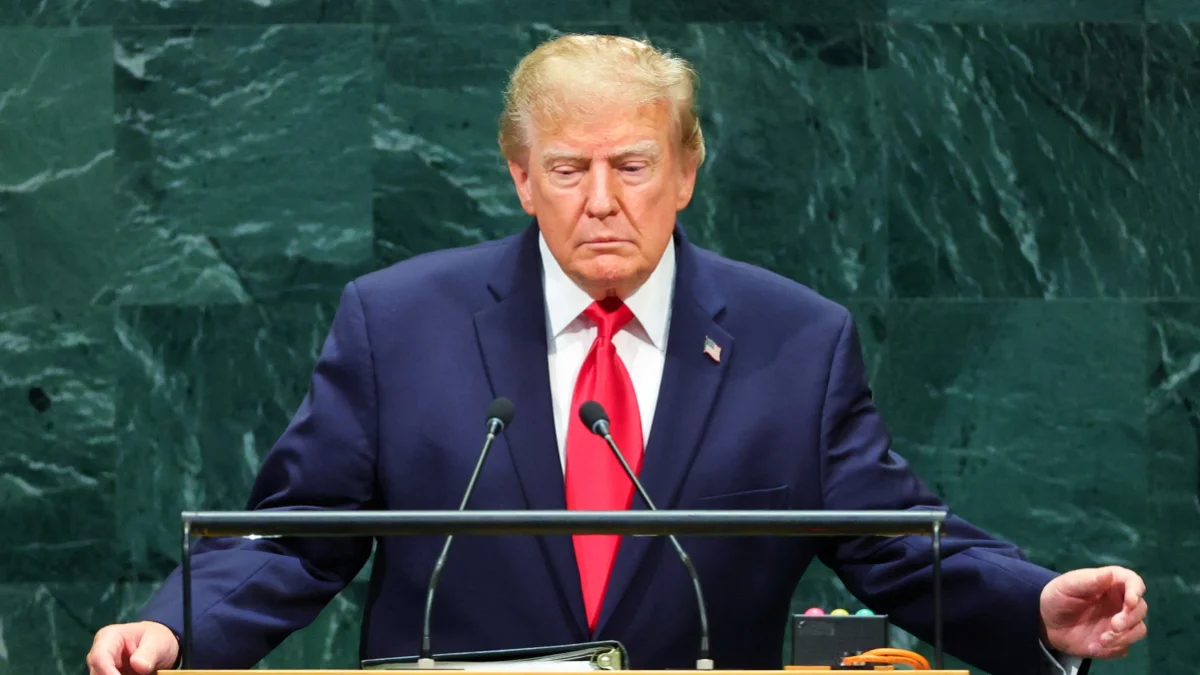
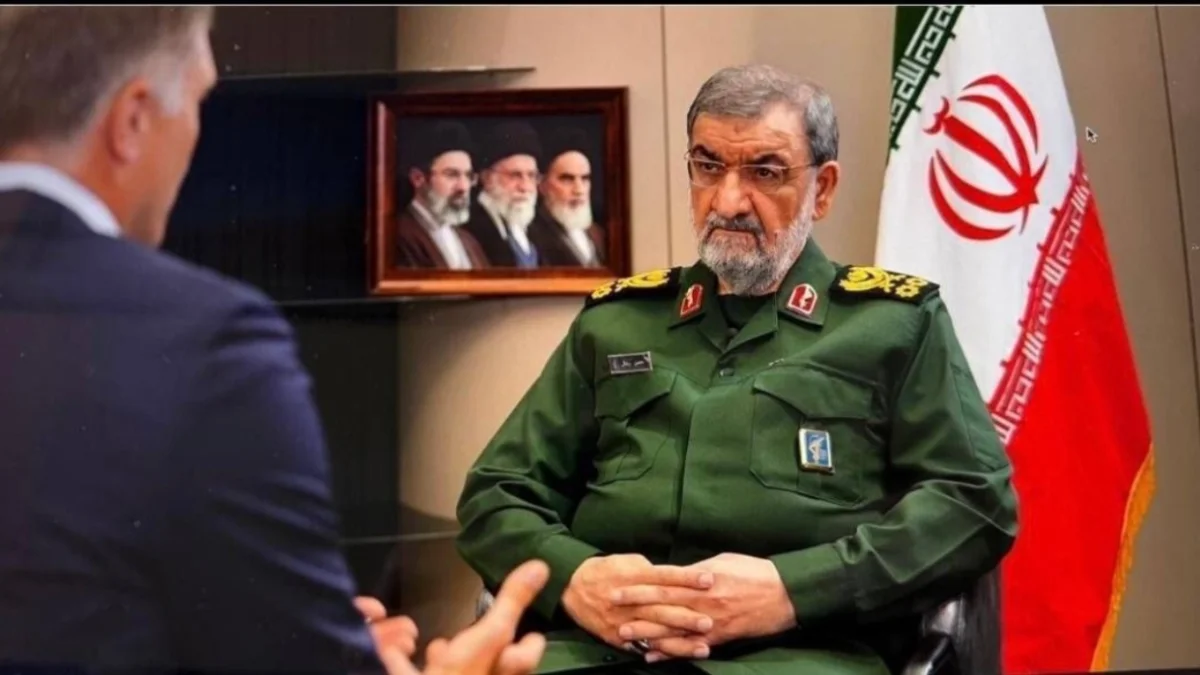
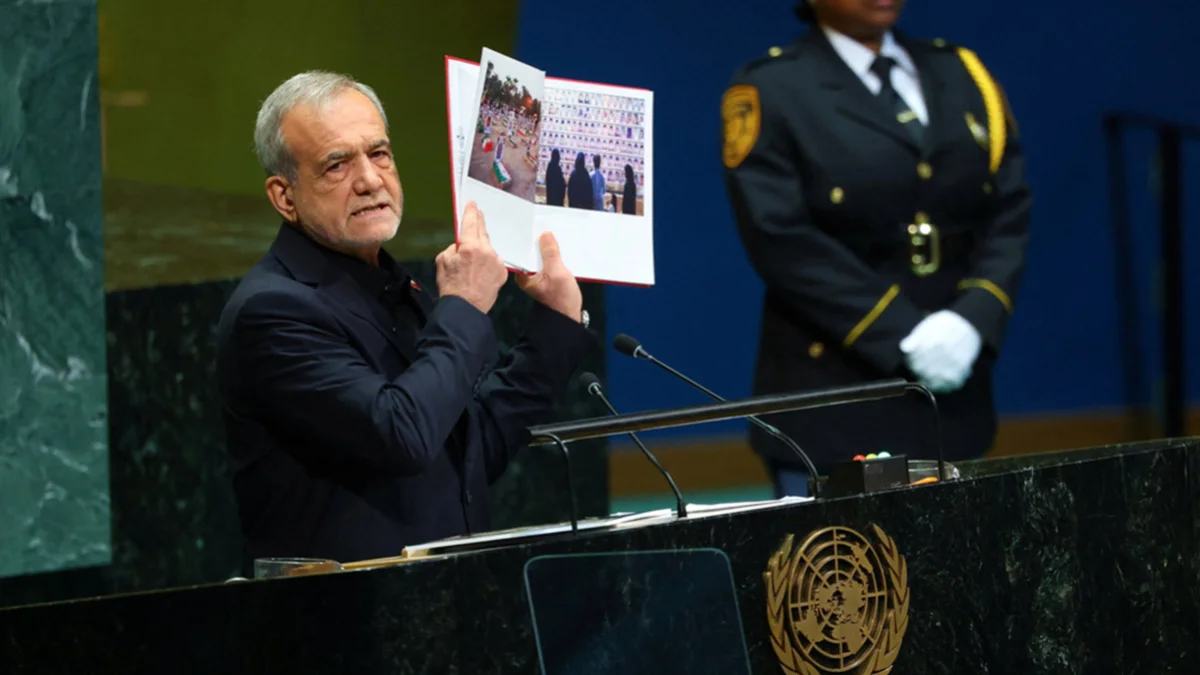
Iranian President Masoud Pezeshkian rejected what he described as US pressure in his address to the UN. He said Iran would not retreat, while emphasizing that Tehran remained open to dialogue and negotiations without resorting to the “language of force.”
Israeli Prime Minister Benjamin Netanyahu, in his address, justified his country’s actions on the grounds of national security and regional threats, focusing primarily on Iran. The departure of numerous delegations from the chamber during his speech demonstrated the political divisions surrounding the conflict.
Yemen’s internationally recognized government said the Houthis’ recent territorial advances along the Red Sea coast were no longer solely an internal matter. The Houthis have taken control of much of Yemen’s western coastline, including the strategic port of Mocha, and have moved closer to the Bab el-Mandeb Strait.
Pressure increases on Hormuz and Bab el-Mandeb
The Yemeni government has called for international support, warning that positions controlling the waterway could pose risks to global shipping and supply chains.
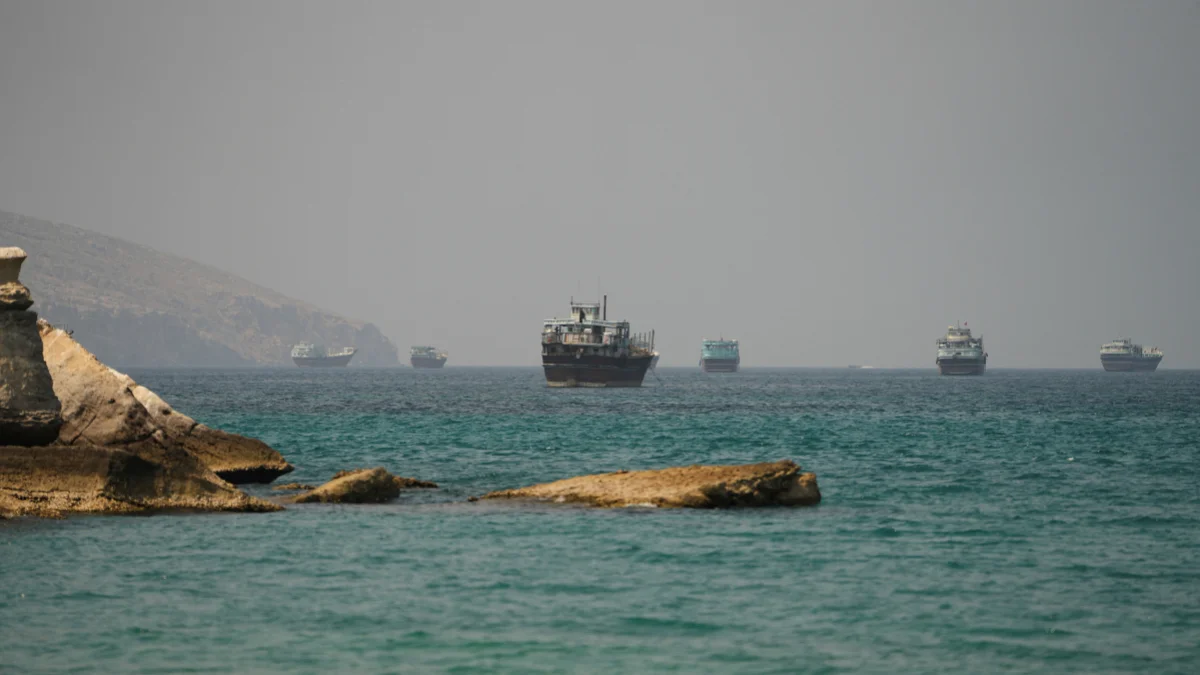
For months, the Strait of Hormuz has been the conflict’s main pressure point. Recent developments, however, show that the Gulf’s vulnerability is no longer limited to a single waterway. Hormuz to the east and Bab el-Mandeb to the south are increasingly becoming contested routes.
Between these two straits lie ports, pipelines, airports and logistics networks that are vital to the economies of Gulf Cooperation Council countries. Saudi Arabia, the United Arab Emirates, Qatar, Kuwait, Bahrain and Oman have been working to build alternative infrastructure and diversify their economies. The current crisis is testing the effectiveness of those alternatives as several regional routes come under pressure simultaneously.
Container shipments through the Strait of Hormuz have reportedly fallen sharply, while insurance costs and transit times have increased. According to the Financial Times, shipping costs from China to the UAE have risen, transit times have doubled and major Gulf ports have experienced serious disruptions.
Energy routes and Yanbu port
The situation is particularly significant for the UAE. Dubai’s economy is built on its role as a regional and global hub for aviation, logistics, trade, finance and re-exports. A prolonged disruption to maritime transport would affect not only oil but also the movement of containers, food, industrial materials and consumer goods.
Qatar’s liquefied natural gas industry is heavily dependent on maritime routes passing through Hormuz. Even if production continues normally, restrictions on shipping could make it more difficult to supply international customers.
Ports in Oman have been used for ship-to-ship transfers as Gulf exporters adjust their logistics. According to Reuters, Saudi Arabia arranged the transport of about 60 million barrels of oil from the Ras Tanura port to Oman’s Sohar port during the disruption.
Saudi Arabia’s East-West pipeline, which is intended to reduce the country’s dependence on Hormuz, connects oil fields in the east with the Red Sea port of Yanbu. But this alternative route has also become part of the conflict. Earlier this month, a drone attack halted crude oil shipments through Yanbu.
Saudi Arabia subsequently increased exports from Gulf terminals in the east. According to Reuters satellite tracking, approximately 14 million barrels of oil were loaded onto seven large tankers at Ras Tanura on Sept. 20. Oil flows through Hormuz also rose sharply to compensate.
Although the pipeline later resumed operations at reduced capacity, the security threat has not disappeared. Saudi Arabia said it had intercepted six ballistic missiles reportedly launched by the Houthis toward Taif and Yanbu. The Houthis, meanwhile, said they had attacked targets they identified as Riyadh and Saudi Aramco facilities. The claims have not been independently verified.
Yanbu is therefore no longer merely an oil terminal. As the Red Sea becomes a new military front, the port is becoming a test of whether a major energy exporter can establish a reliable alternative to Hormuz.
Diplomatic efforts continue
Gulf countries are not relying solely on defensive measures; they are also seeking to prevent the conflict from turning into a permanent regional confrontation. Qatar, the UAE and other Arab states have discussed dialogue with Iran and the creation of a broader regional security mechanism.
Qatar, Saudi Arabia, the UAE, Egypt and other Arab and Muslim countries held meetings at the UN on the Gaza crisis, calling for humanitarian access and the implementation of existing commitments.
Following the latest Houthi attacks, the military chiefs of Saudi Arabia, Türkiye and Pakistan were reportedly preparing for an emergency meeting. France has also reportedly offered support to strengthen Yanbu’s defenses.
While protecting their territories and economic infrastructure, Gulf countries have no interest in the emergence of a permanent regional confrontation involving Iran, Yemen and major international powers. At the UN, Israel spoke about security, Iran about resistance and diplomacy, Syria about reconstruction, and Yemen about the international consequences of the Houthis’ advances.
Outside the region’s diplomatic halls, the course of events is being shaped by missiles, pipelines, ports and shipping routes. The central question is whether diplomacy can prevent separate crises from becoming an interconnected regional conflict in time.