 OMM Redaksiyası

Against the backdrop of the 81st session of the UN General Assembly, the organization is confronting wars, forced displacement, climate pressures and deepening geopolitical divisions. Although the UN is often judged by conflicts it has been unable to prevent, it has achieved a number of important, less-publicized results in recent years.
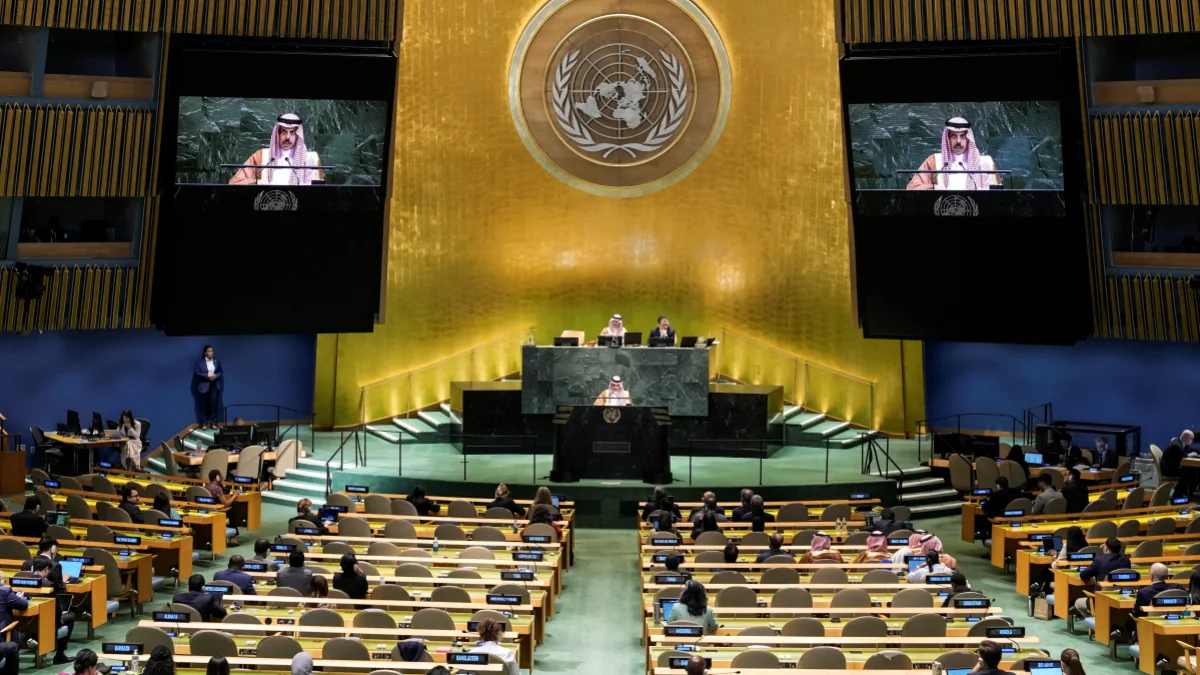
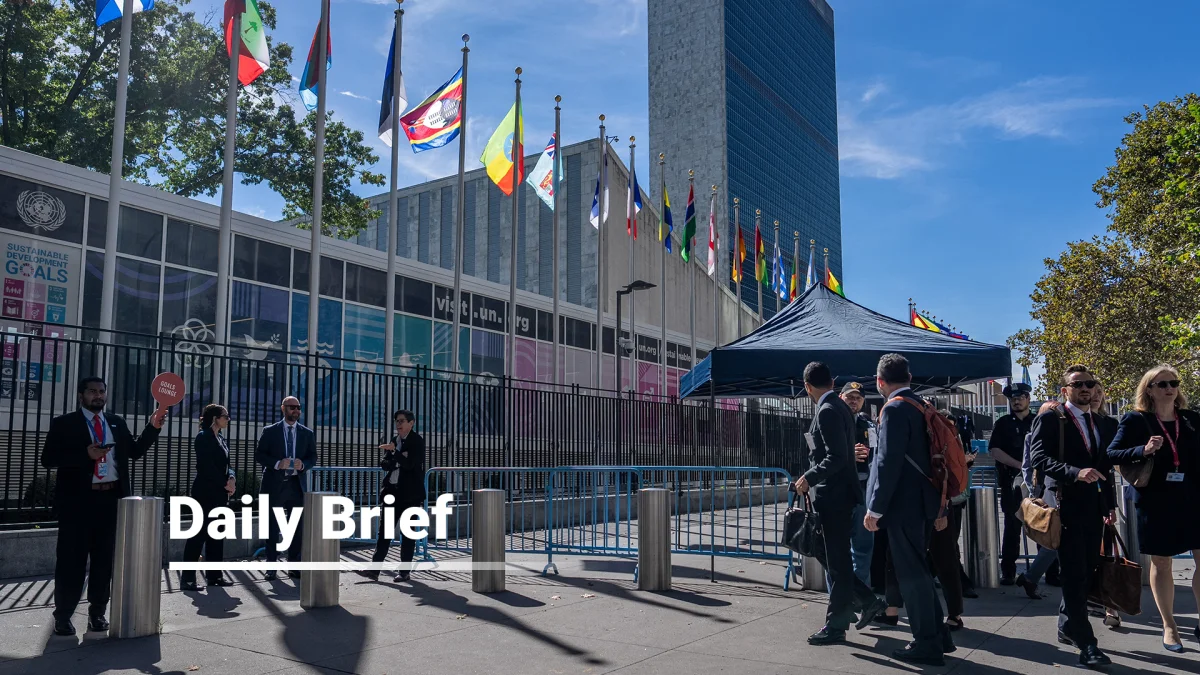
The session began on Sept. 8, while the annual general debate started on Sept. 22. Ahead of world leaders’ addresses to the General Assembly, the UN system’s work in five key areas is outlined below.
Global response to the COVID-19 pandemic
The UN system played an important role in coordinating the international response to the COVID-19 pandemic. The World Health Organization provided health guidance and international coordination, while UNICEF helped deliver vaccines to countries around the world.
Although the pandemic exposed major inequalities in access to health services and vaccines, it also demonstrated the importance of international cooperation during a global emergency. In May 2025, WHO member states adopted the world’s first Pandemic Agreement, aimed at strengthening preparedness for and responses to future pandemics.
Delivering humanitarian aid
UN agencies remain a key source of support for millions of people affected by wars, natural disasters and other humanitarian crises. In 2024, the UN and its partners provided more than 116 million people with vital assistance, including food, shelter, medical aid, water and sanitation services.
In Gaza, Sudan, Ukraine and Yemen, UN personnel and partner organizations continued their work despite dangerous conditions and severe funding shortages. Behind these figures are millions of people who have lost their homes, livelihoods and access to essential services.
International agreements and sustainable development
In September 2024, UN member states adopted the Pact for the Future, setting out commitments on peace and security, sustainable development, technology and global governance. The document also includes the Global Digital Compact, an international cooperation framework for governing digital technologies and artificial intelligence.
The UN Sustainable Development Goals have driven some progress since their adoption in 2015. According to the organization, since then approximately 1 billion people have gained access to safe drinking water, while 1.2 billion have gained access to safely managed sanitation services.
Renewable energy capacity has also continued to grow, reaching a record 544 watts per person worldwide in 2024. However, hundreds of millions of people still lack essential services, and major efforts are needed to achieve the 2030 targets.
Peacebuilding and conflict prevention
The UN uses peacekeeping missions, mediation and political missions to prevent conflicts from starting, escalating or continuing. In 2024, the organization oversaw 11 peacekeeping missions, as well as 40 special political missions and offices working to prevent and resolve conflicts.
The results of these efforts are not always immediately visible. In some cases, progress is reflected in maintaining ceasefires, protecting civilians, preventing further escalation or supporting the recovery of communities after conflict.
The UN General Assembly, established in 1945, brings together all 193 UN member states and serves as the organization’s main forum for international dialogue. Its annual high-level debate provides an opportunity for leaders to assess global challenges and set priorities for collective action.