OMM Redaksiyası

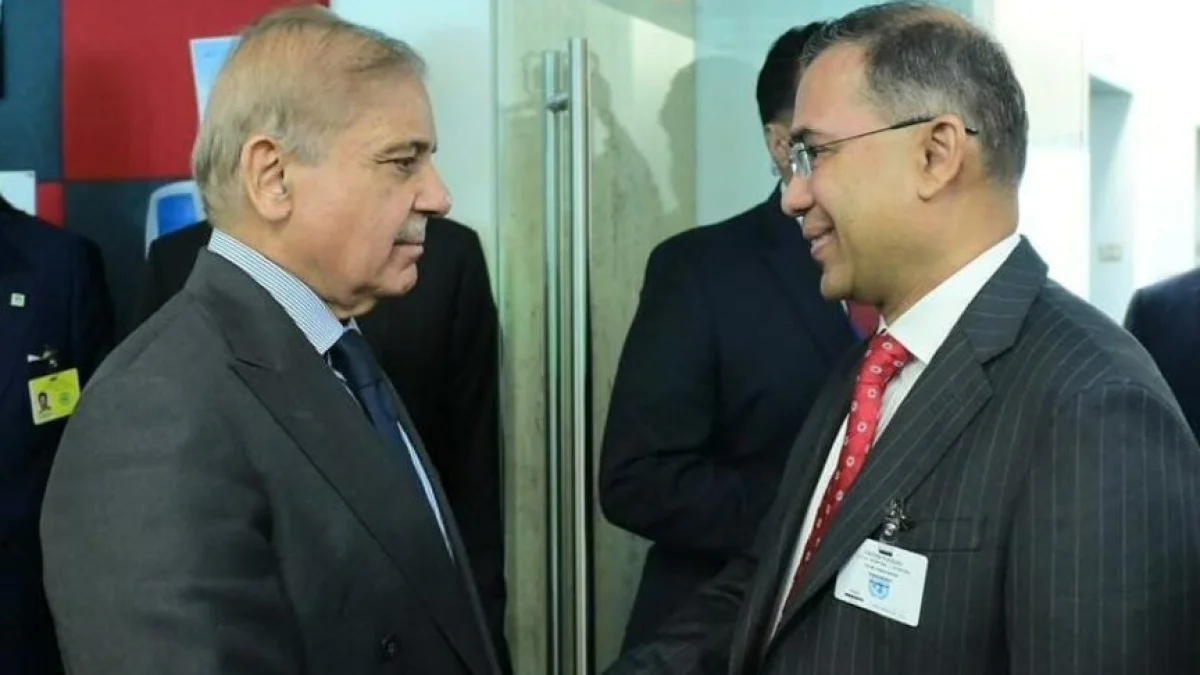
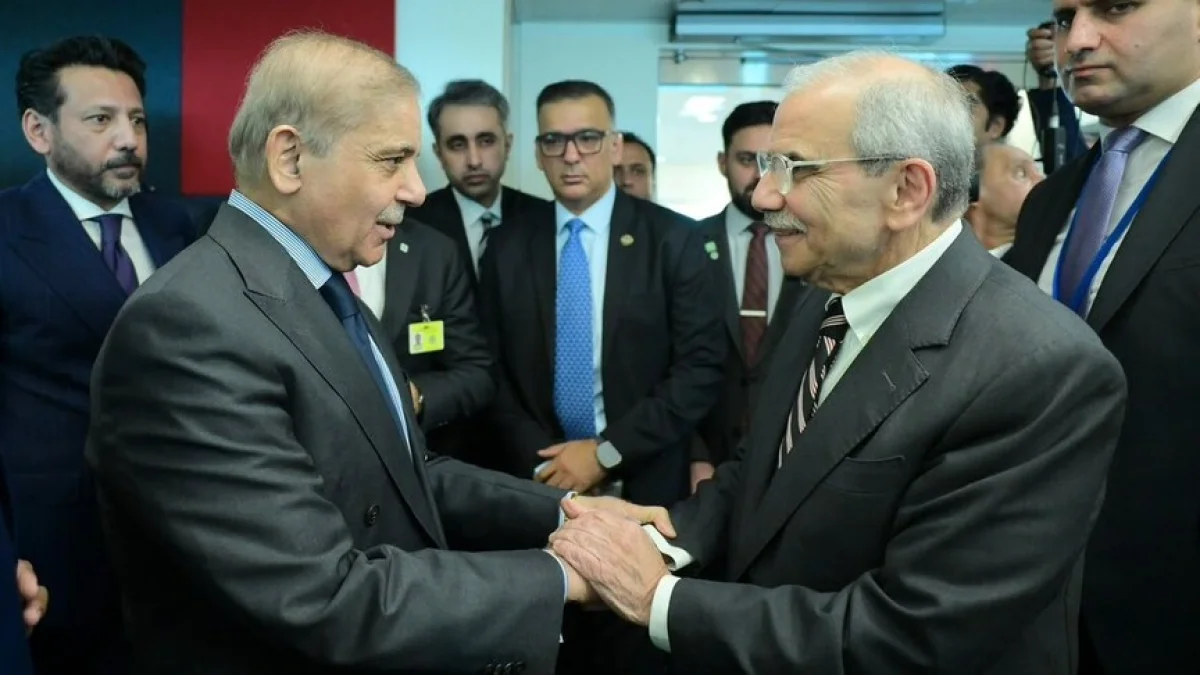
Bangladesh Prime Minister Tarique Rahman has urged the international community to take “firm and effective” action to resolve the prolonged Rohingya crisis, while calling for greater climate justice and outlining plans to rebuild his country after the 2024 mass uprising.
Addressing the 81st session of the UN General Assembly in New York on Thursday, Rahman said Bangladesh had hosted more than 1.2 million forcibly displaced Rohingya for over nine years. He said the situation was placing pressure on the country’s resources, environment, security and host communities, according to the original report.
“The origin and source of the Rohingya crisis is in Myanmar. Therefore, its solution also lies there,” Rahman said in his first address to the General Assembly.
He described the safe return of the Rohingya to their homeland in Myanmar as the “only solution” to the crisis. Rahman called on the United Nations and the international community to maintain life-saving assistance for the refugees until repatriation, warning that a failure to ensure justice could trigger a humanitarian crisis.
Bangladesh calls for diplomacy and democratic recovery
Rahman also reaffirmed Bangladesh’s support for the Palestinian people’s right to self-determination and an independent state. He urged conflicts around the world to be resolved through dialogue and diplomacy.
The prime minister said Bangladesh was rebuilding after more than 15 years of what he called “fascist rule”, following the 2024 mass uprising and the national election held on Feb. 12.
He paid tribute to those killed and injured during the July-August 2024 uprising, describing it as a movement against “fascism”. He also honoured those who had sacrificed their lives in earlier struggles for democracy, justice and human rights.
Rahman said his government was implementing a “3-R” strategy — Recovery, Restoration and Reconstruction — as Bangladesh returned to a democratic path.
Climate plans and technology access
On climate change, Rahman said Bangladesh remained among the countries most vulnerable to its effects despite making only a small contribution to global carbon emissions. He called for stronger international action on climate justice, financing and adaptation.
His government plans to plant 250 million trees over five years, expand clean and solar energy, and excavate 20,000 kilometres (12,427 miles) of canals to help address flooding and drought, he said.
Rahman also called for increased technology transfer and affordable access to emerging technologies for developing countries. He warned that today’s digital divide should not become tomorrow’s “artificial intelligence divide”.