OMM Redaksiyası

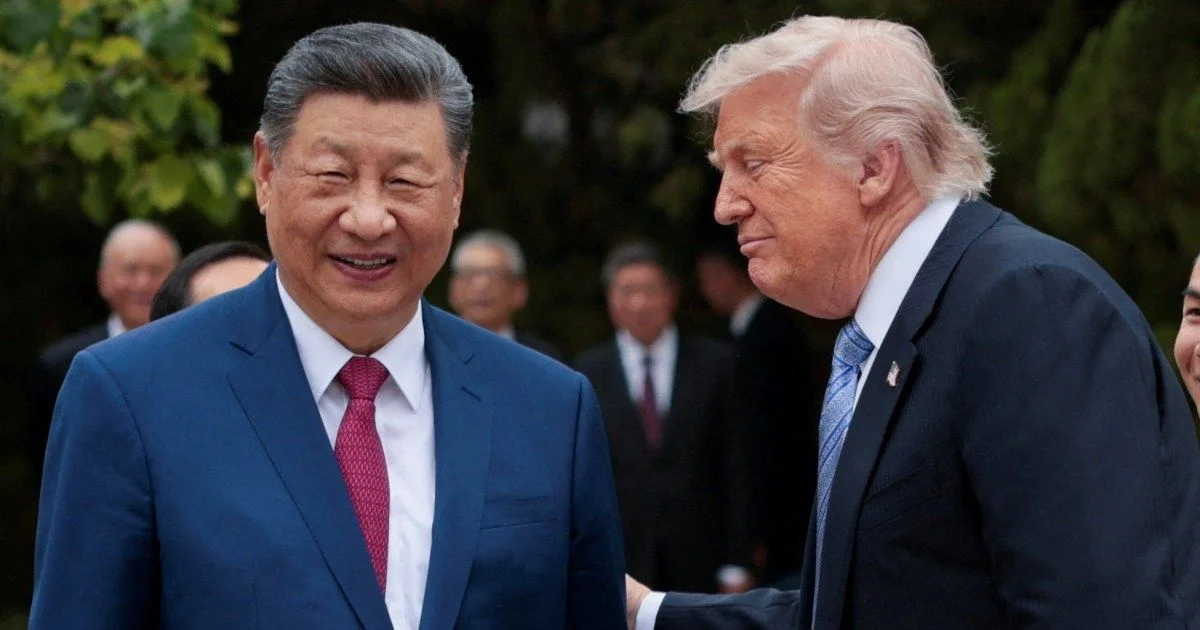
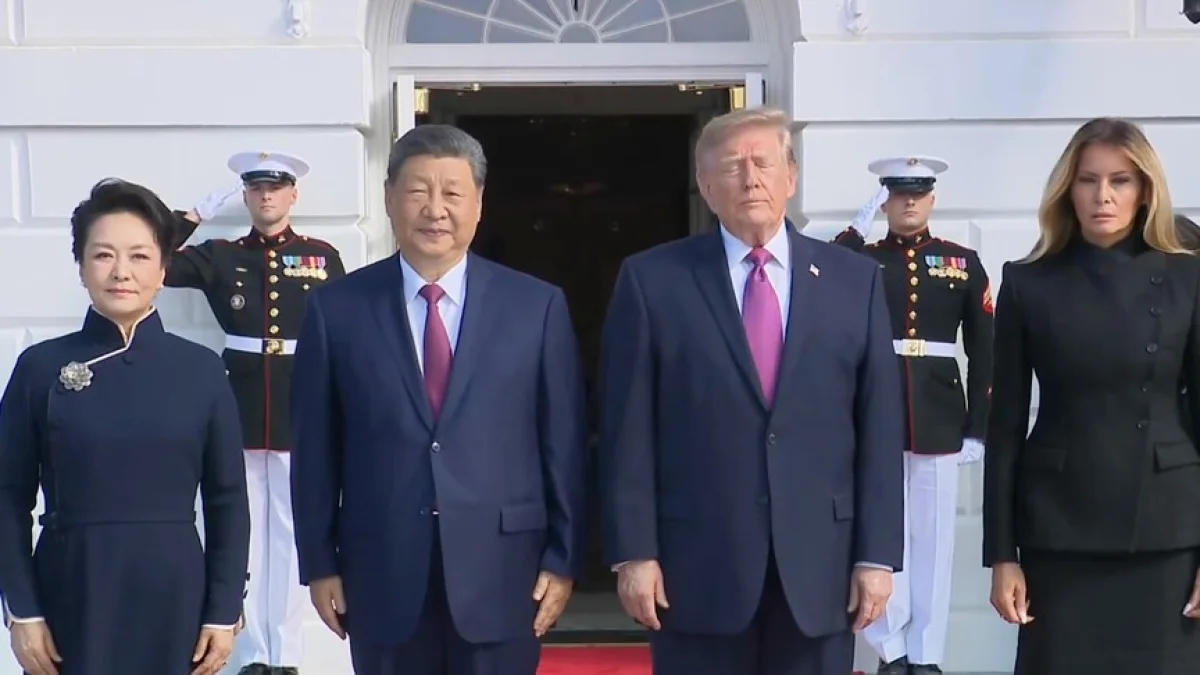
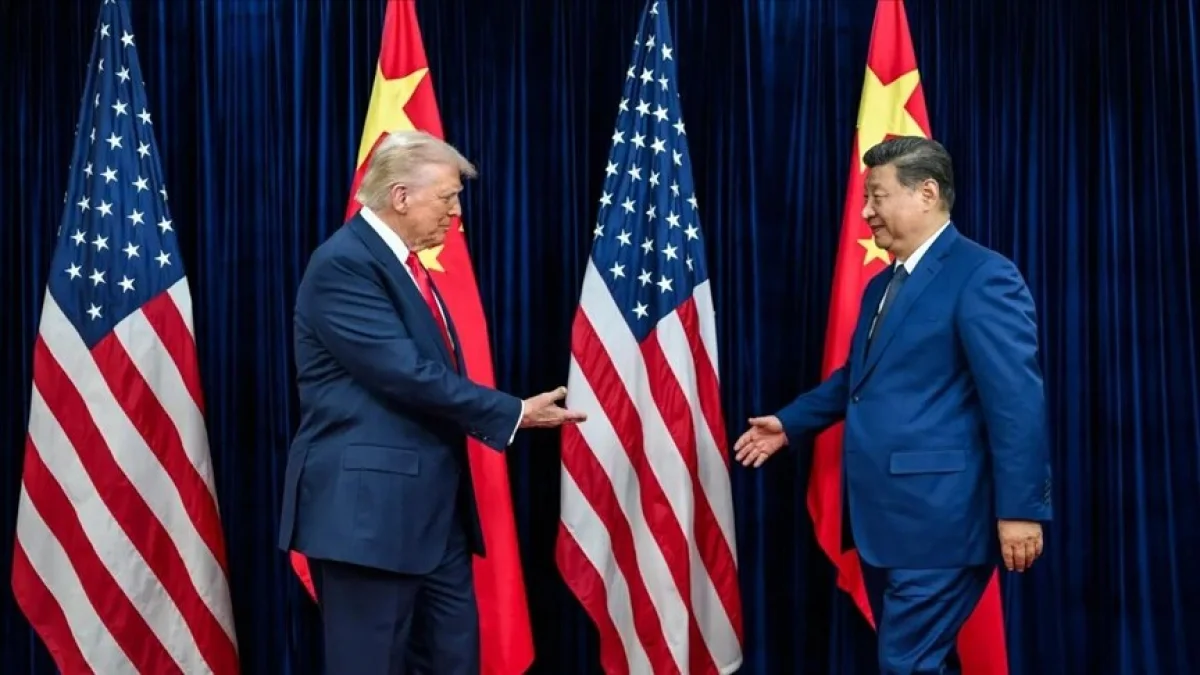
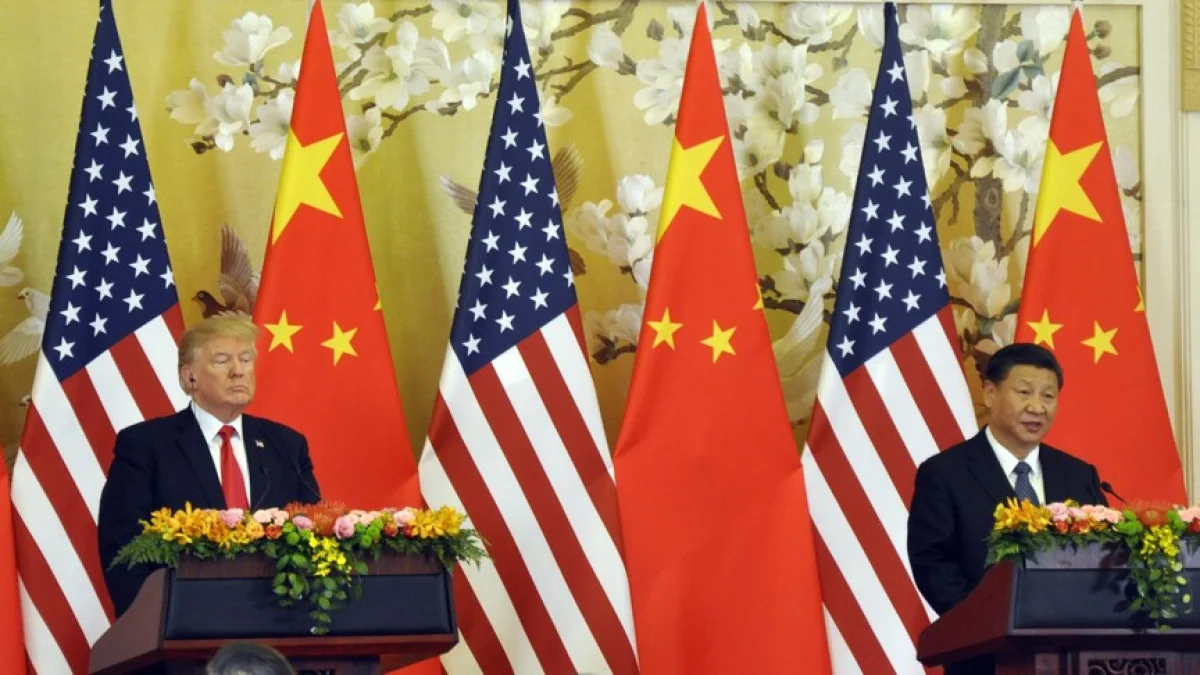
Chinese President Xi Jinping received a lavish welcome from US President Donald Trump during their latest summit, but Washington stopped short of granting Beijing all of its key demands, according to the BBC.
The two leaders extended a trade truce that had paused their tit-for-tat tariff war. However, the agreement was prolonged only from November to January, rather than for the year or longer that Beijing had hoped for as Xi seeks to manage the remainder of Trump’s presidency.
Disputes over tariffs, China’s dominance in rare-earth supplies and its access to advanced US chips will therefore move into another round of negotiations. The limited extension suggests Washington wants Beijing to take further steps before offering longer-term concessions.
Trade remains vital for China
China’s domestic economy is facing pressure despite record exports. Consumers remain cautious, youth unemployment is persistently high and property prices have fallen in a country where about 80% of people own their homes.
With trade supporting economic growth, access to foreign markets has become increasingly important for Beijing. Xi wants to protect Chinese exports from the severe tariffs imposed by the United States last year.
Taiwan remains a major dispute
Xi again made clear that US arms sales to Taiwan are a red line for China. US law requires Washington to provide the self-governing island with the means to defend itself.
In May, Xi warned Trump that mishandling the Taiwan issue could cause the two countries to “collide or even enter into conflict”. Trump subsequently delayed approval of a $14 billion arms package for Taiwan, calling it a “very good negotiating chip” in talks with Beijing.
Xi may have used that opening to argue that limiting support for Taiwan would reduce the risk of conflict. On Thursday, he repeated his call for the United States to adopt the “correct position” of opposing Taiwan independence.
Trump, who faces pressure from both Democrats and Republicans to maintain support for Taiwan, has not publicly responded to Xi’s remarks.
AI talks and panda diplomacy
The leaders also discussed artificial intelligence, although it remained unclear whether they reached agreement on safeguards. Xi said AI should “always be under human control”, but no concrete decisions were announced.
The talks came after Anthropic chief executive Dario Amodei called for a slower approach to AI development to improve safety. A senior safety researcher at the company has warned that there is a “greater than 10% chance” AI could cause human extinction. Trump has dismissed such concerns as a “hoax”.
Xi also announced that pandas Ping Ping and Fu Shuang will arrive in Atlanta within days, reviving China’s panda diplomacy. The gift was first announced in April.
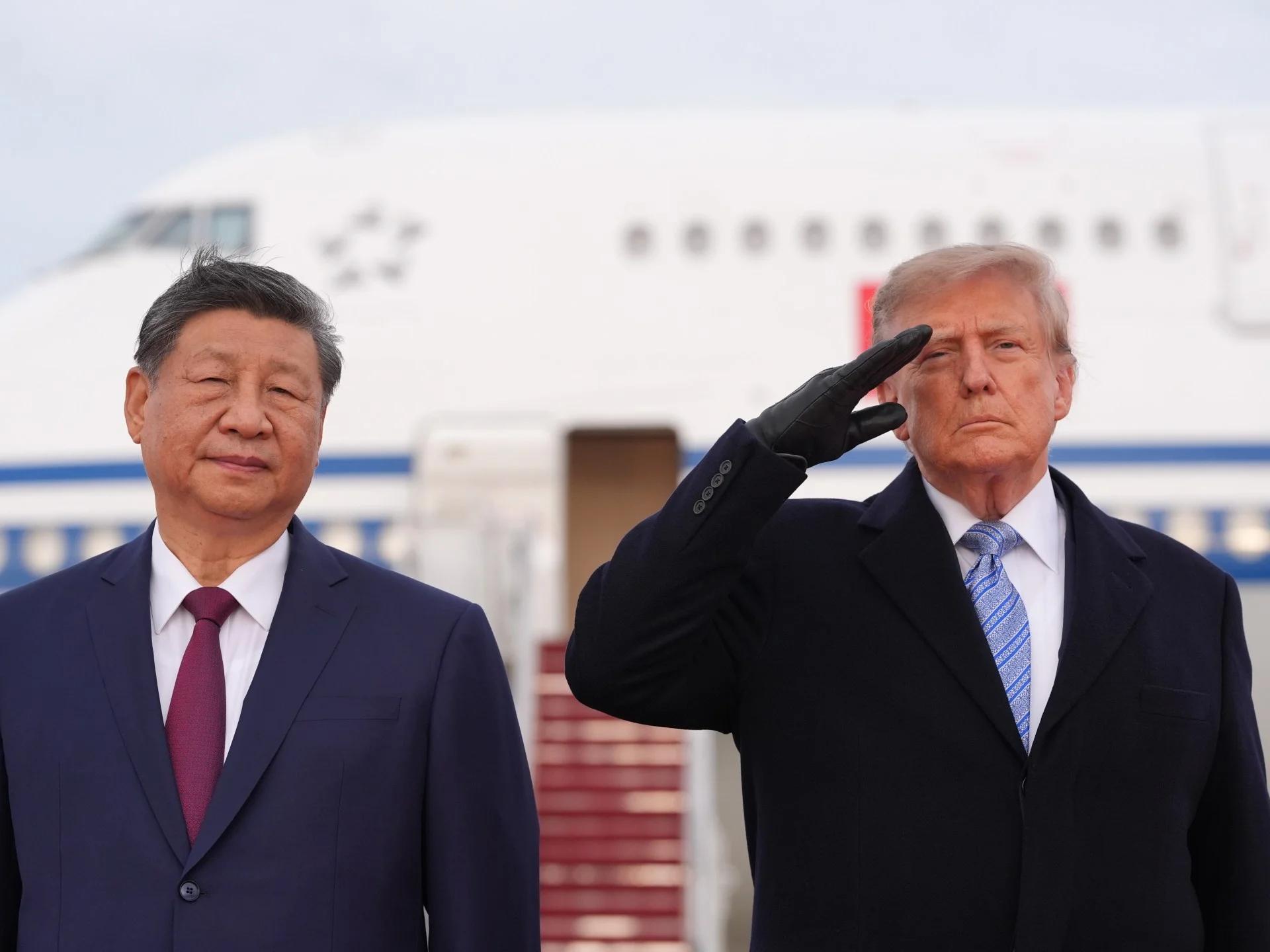
For Beijing, however, the summit’s most significant result may have been its symbolism. Xi was personally greeted at the airport and attended a state banquet featuring sesame-crusted sea bass and braised baby bok choy.
The pageantry was widely noted in China and helped reinforce Xi’s image at home as Trump’s equal. Images contrasting the two leaders also circulated on Chinese social media.
Trump has described the relationship as a “truly great friendship”, but Xi’s broader objective is to secure China’s position alongside the United States as a global superpower. The ceremonial welcome and warmer rhetoric may ease tensions, while competition between the two countries remains intense.