 OMM Redaksiyası

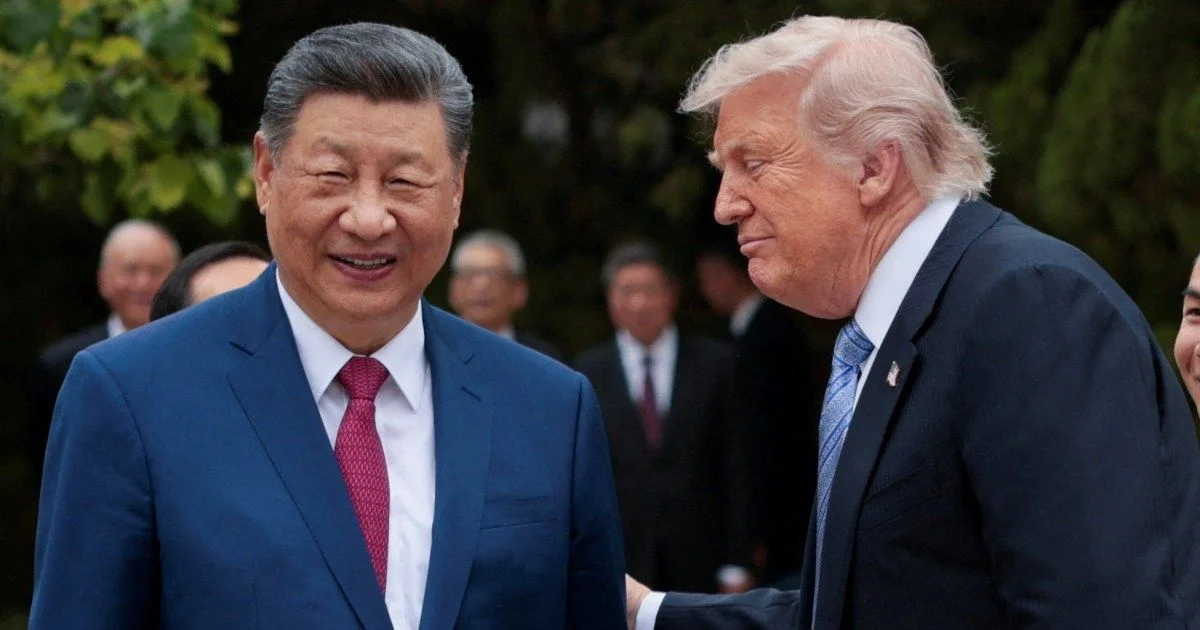
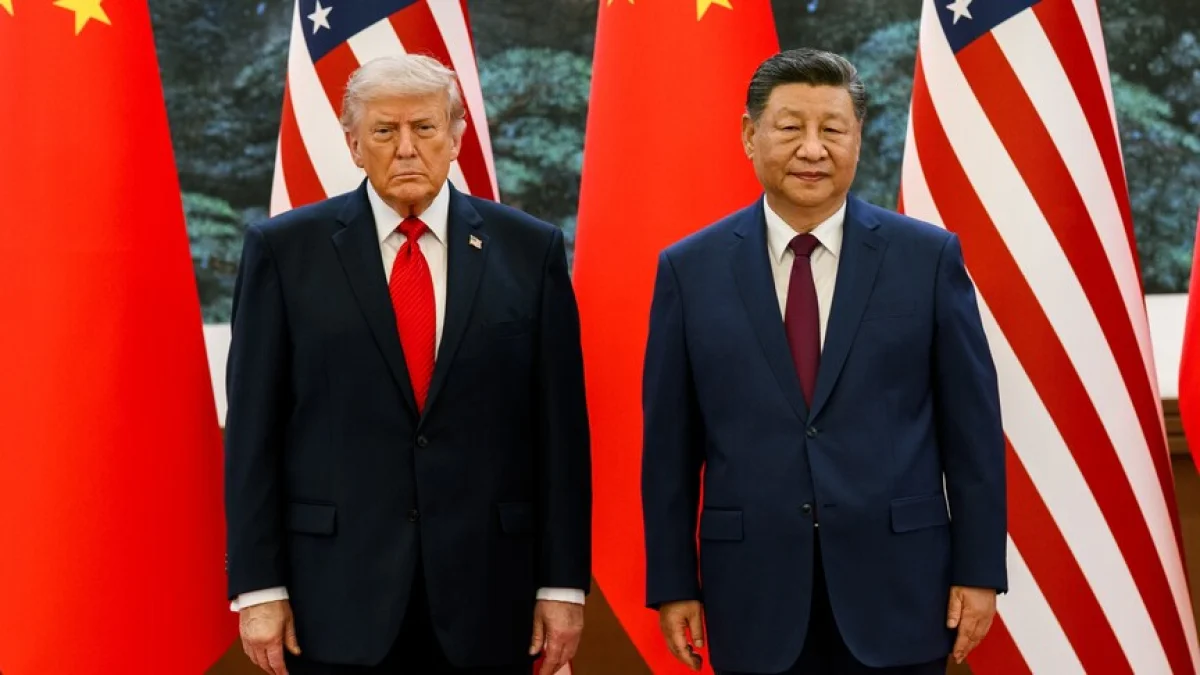
US President Donald Trump and Chinese President Xi Jinping are due to meet in Washington on Thursday for their second face-to-face encounter this year, with trade, artificial intelligence and major geopolitical disputes high on the agenda, Anadolu reported.
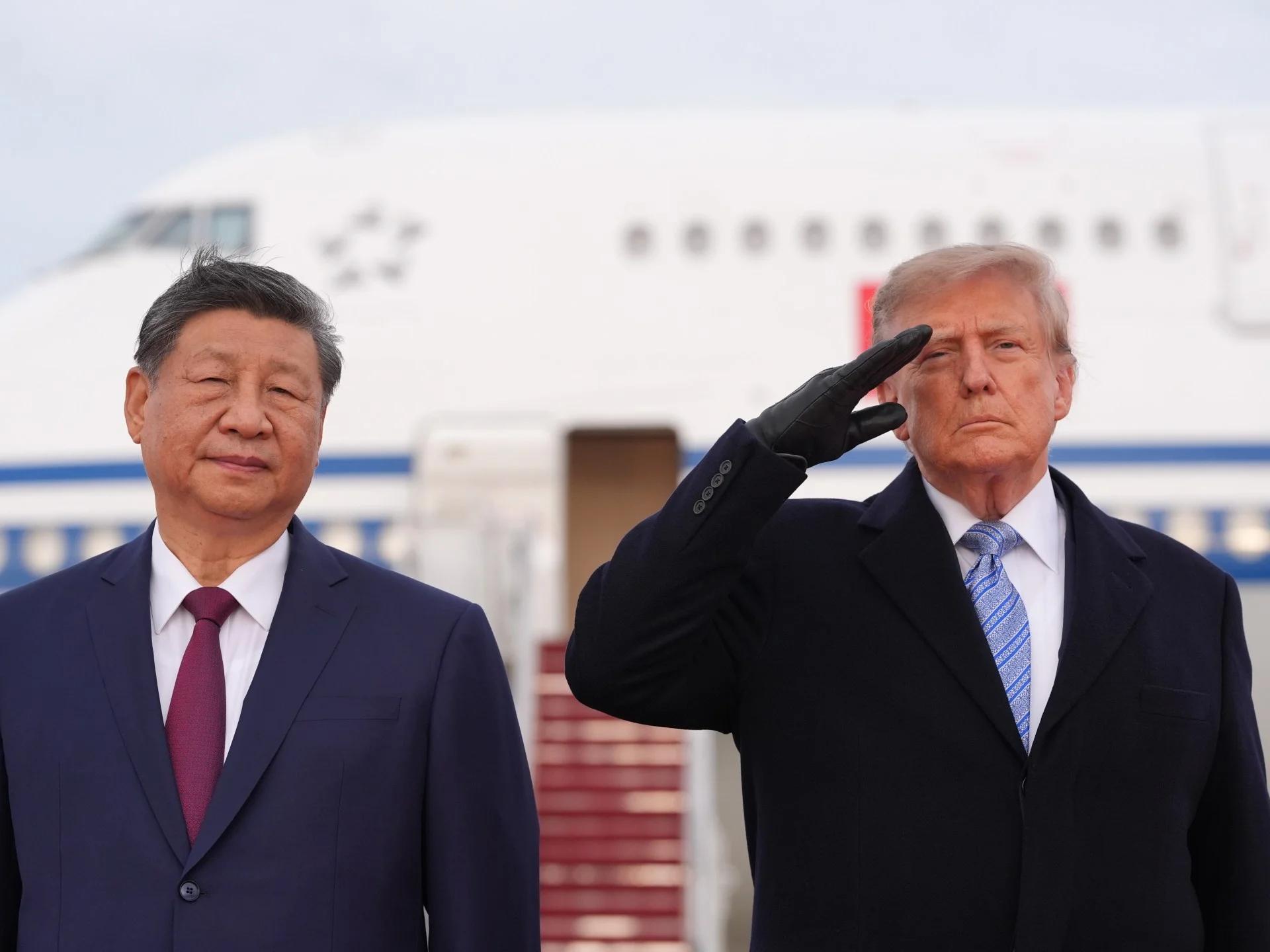
The meeting follows Trump’s visit to Beijing in May and marks Xi’s first state visit to Washington in more than a decade. Trump broke with his usual practice of welcoming foreign leaders at the White House by travelling to Joint Base Andrews with first lady Melania Trump to greet Xi and his wife, Peng Liyuan, as they arrived.
The official programme includes a welcome ceremony and troop review at the White House, private talks between the leaders and a state dinner attended by prominent US technology figures, including Nvidia chief Jensen Huang and Elon Musk.
Analysts have lowered expectations for major agreements, suggesting that the summit’s main outcome could be the preservation of a temporary improvement in relations.
“Both leaders are interested in projecting an image of a positive and productive relationship. The most notable aspect of the summit may be the positive visuals that emerge from it,” said Ryan Hass, director of the John L. Thornton China Center at the Brookings Institution and a former White House official on China.
Kyle Chan, a fellow at the same center who studies Chinese technology and industrial policy, said he had low expectations. Ali Wyne, senior research and advocacy adviser for US-China relations at the International Crisis Group, said the meeting was unlikely to produce breakthroughs and would instead aim to preserve a tactical thaw between the two powers.
Trade truce extended
The most immediate economic issue was addressed shortly after Xi’s plane landed. US Treasury Secretary Scott Bessent said Washington and Beijing had agreed to extend until Jan. 10 the trade truce reached after Trump’s meeting with Xi in Busan, South Korea, last October.
The announcement followed Bessent’s meeting with Chinese Vice Premier He Lifeng in Washington and preparatory talks in New York on Sunday. Under the Busan agreement, Washington reduced tariffs linked to fentanyl and suspended higher reciprocal duties, while Beijing eased export restrictions on critical minerals. The pause had been due to expire on Nov. 10.
Bessent said China had not fully met some commitments and that Washington wanted stronger implementation in the coming months. He also said it remained uncertain whether the two sides would negotiate a broader agreement or continue extending the existing arrangement.
Further announcements could come from Beijing, including purchases of US agricultural products and possible agreements in financial services.
Rare earths and artificial intelligence
Rare earths remain another major point of contention. The United States wants China to ensure stable supplies of minerals used in automobiles, electronics, aerospace and defence. China processes about 90% of the world’s rare earths and is seeking greater access to US technology, as well as fewer restrictions on Chinese companies.
China imposed export controls on seven categories of rare earths and related magnets in April 2025. Broader restrictions were later suspended for one year under the Busan arrangement. US officials have repeatedly said that Chinese efforts to restore reliable supplies have not met expectations. Chinese customs data showed that rare earth magnet exports to the US fell 21% in August from July.
Artificial intelligence has also risen to the top of the agenda. The United States and China are the world’s leading AI powers and view the technology as crucial to both economic and military capabilities.
The two governments are exploring ways to communicate about risks associated with advanced AI systems. Although Trump and Xi discussed possible consultations on AI during their May meeting, no formal mechanism was established at the time.
Hass expects the leaders to recognise the importance of maintaining communication on AI safety but does not anticipate concrete results beyond that. Chan said growing risks, particularly involving cyber capabilities and autonomous systems, could encourage Washington and Beijing to keep talking despite wider disagreements.
Bessent said the two countries had agreed to establish a hotline for notifying each other about AI safety incidents, although Beijing has not publicly confirmed the arrangement. Chan also noted that the US Congress has several bills prepared to tighten restrictions on chips and chipmaking equipment sold to China, raising questions about whether Trump might seek to intervene.
Taiwan and other geopolitical issues
Taiwan is expected to be among the most sensitive issues. Beijing considers the self-governing island part of its territory. After the May summit, the United States paused a record $14 billion arms package for Taiwan, with Trump describing arms sales to the island as a “very good negotiating chip”.
The summit is also taking place amid the US war in Iran, which began on Feb. 28. The conflict has implications for China because of its energy needs and dependence on Middle Eastern oil. Chinese officials have recently said Beijing is ready to play a constructive role in efforts to resolve the conflict.
Hass said Trump might briefly raise the issue but would not want to ask Xi directly for help, while Xi would be reluctant to offer assistance in persuading Iran to lay down its arms. Ukraine and North Korea are also expected to feature in the leaders’ broader discussions.
With US midterm elections only weeks away, analysts say the broader test will be whether the summit keeps the current calm intact.
“Both leaders recognize the benefit of buying time and space to reduce vulnerabilities to each other,” Hass said. “Whether they will be able to act in self-interest to extend that period of calm will be a key question from the summit.”