 OMM Redaksiyası

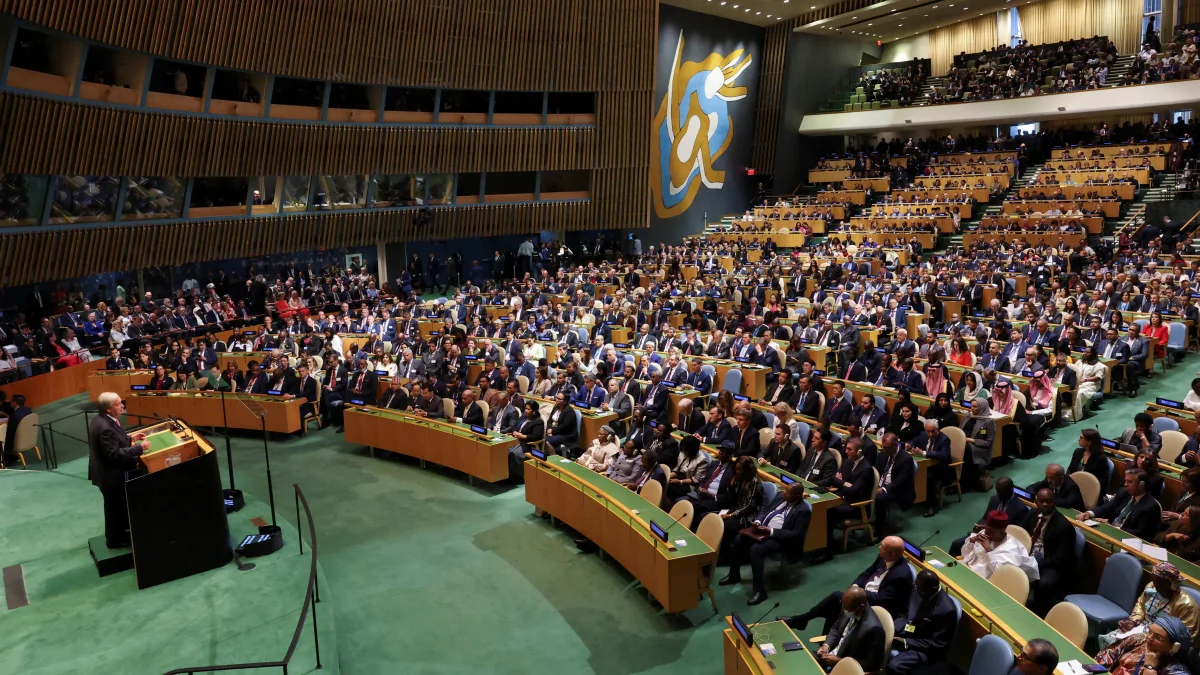
The main international issues discussed on the second day of the 81st session of the UN General Assembly were Iran-US relations, the Russia-Ukraine war, the dispute over the Falkland Islands, Venezuela’s political transition and artificial intelligence safety.
Iran says it will not bow to US pressure
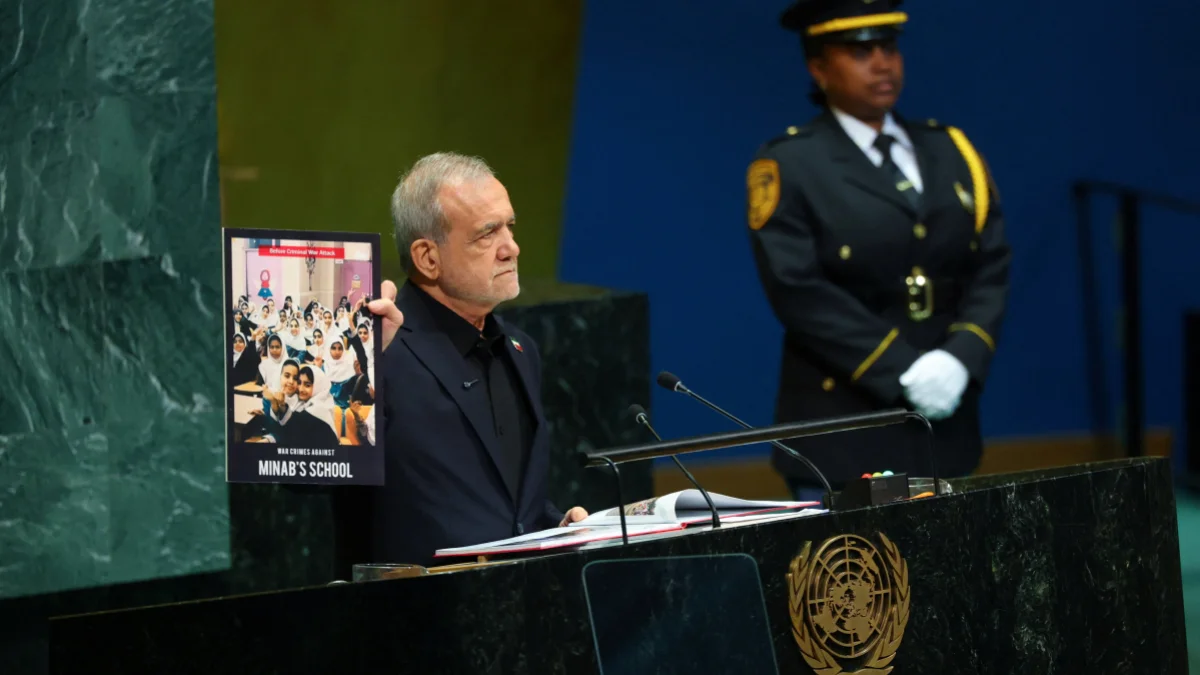
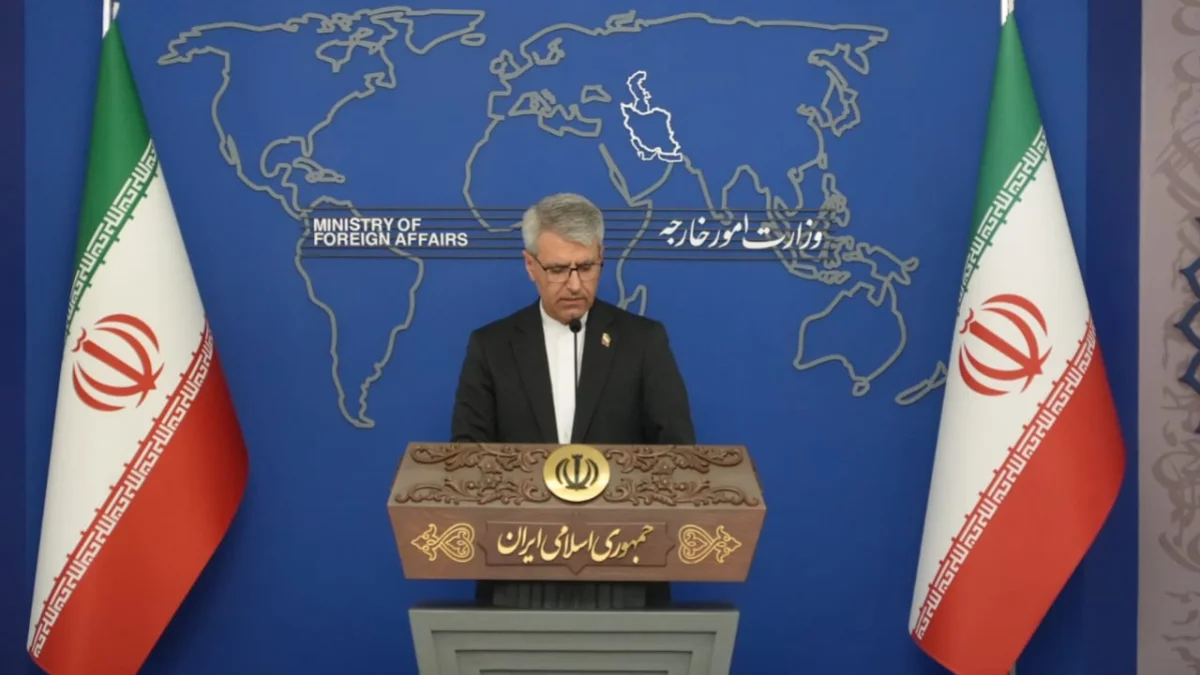
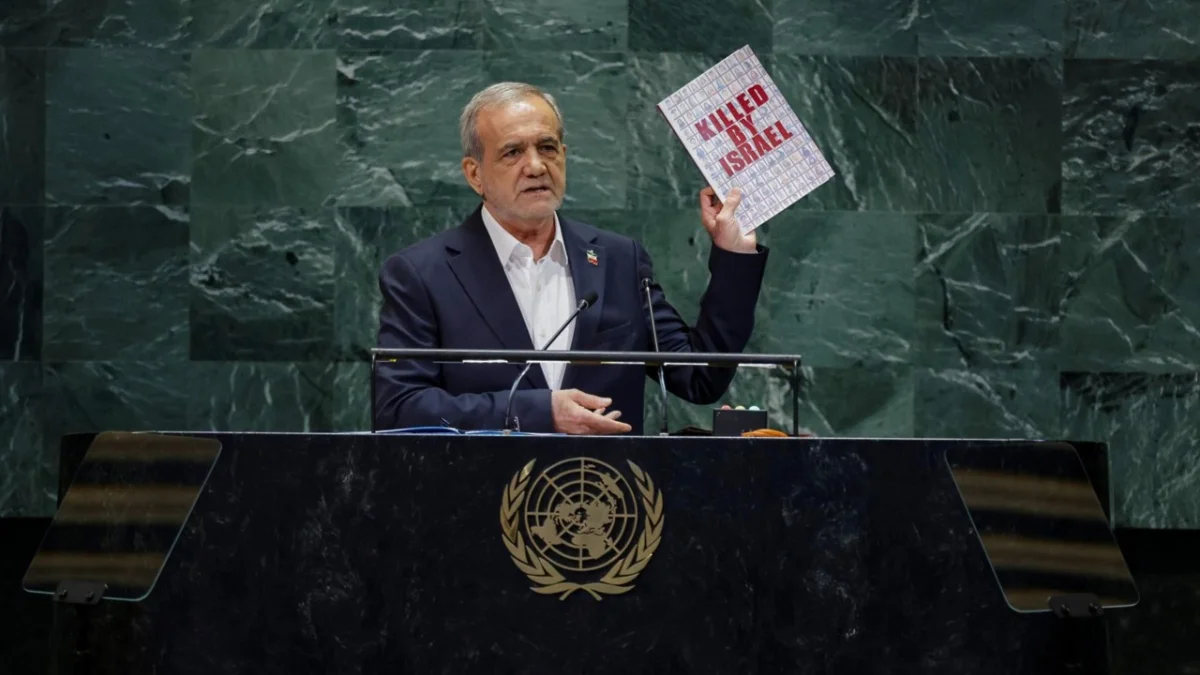
Iranian President Masoud Pezeshkian said in his address to the UN General Assembly that Tehran would not bow to US pressure and called for the diplomatic process to continue.
Pezeshkian criticized Washington’s approach to the war. He stressed that Iran would not agree to restrictions on its access to the Strait of Hormuz. The remarks came as indirect talks between Iran and the United States resumed, although serious differences remain between the sides over how to end the conflict.
Zelenskyy proposes a limited ceasefire
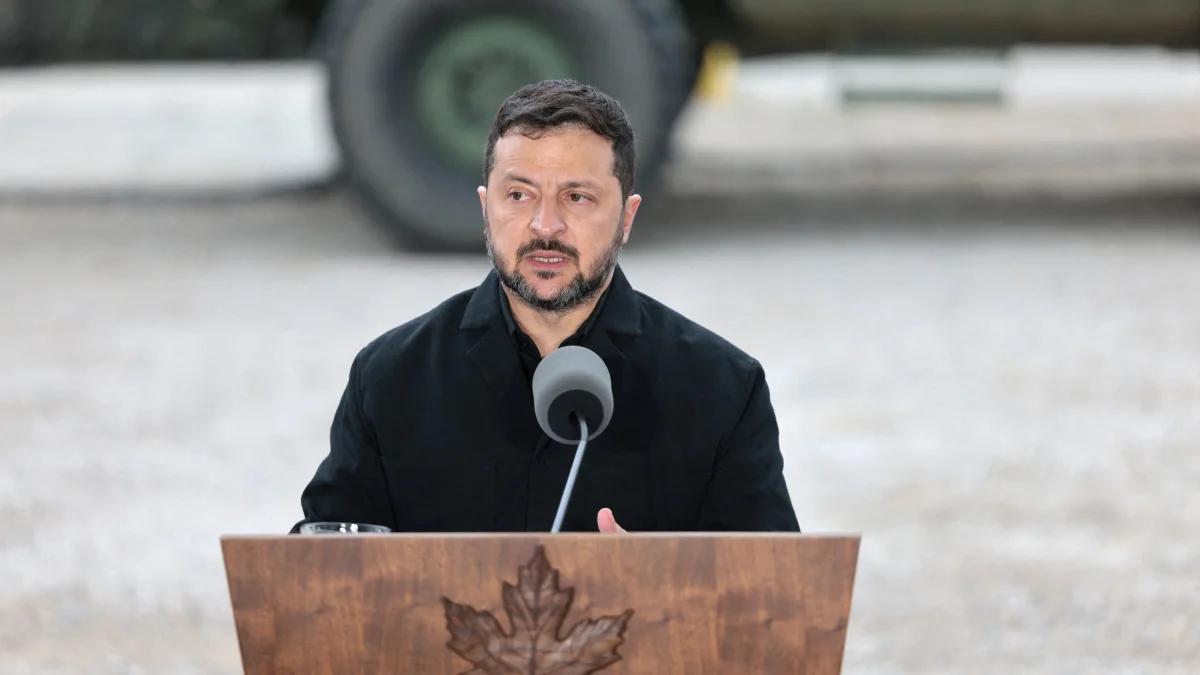
Ukrainian President Volodymyr Zelenskyy called for limited ceasefires with Russia to protect energy infrastructure and shipping in the Black Sea ahead of the winter season.
In his first address to the UN General Assembly, Zelenskyy said Ukraine was ready for a maritime ceasefire and was awaiting Moscow’s response. He also announced a new drone agreement with Finland, as Kyiv continues to share its growing experience in unmanned aerial systems with international partners.
Falkland Islands dispute and Venezuela’s political transition
Argentine President Javier Milei renewed his country’s claim to the Falkland Islands. He accused the UN of ignoring rising tensions over oil exploration around the territory, which is under British control.
Milei called for peaceful negotiations with the United Kingdom. Argentina is preparing to impose sanctions on companies linked to an offshore project. London rejected the measures and reiterated the islanders’ right to self-determination.
Venezuela’s interim president, Delcy Rodriguez, said elections would be held as part of the country’s transition to “full democracy”, but did not announce a date for the vote.
Rodriguez said talks with opposition groups had begun and promised to ensure equal participation. However, leading opposition figures, including Maria Corina Machado, remain outside the process. The pledge came as Venezuela and the United States promote political changes alongside economic recovery.
Artificial intelligence safety discussed
Artificial intelligence safety was among the main topics at discussions held by the UN Security Council as part of the second day of the General Assembly.
Executives from technology companies warned that increasingly powerful systems could pose serious risks if left unchecked. Anthropic and OpenAI called for international cooperation, while the United States opposed global regulation. China backed broader oversight and cross-border cooperation.