 OMM Redaksiyası

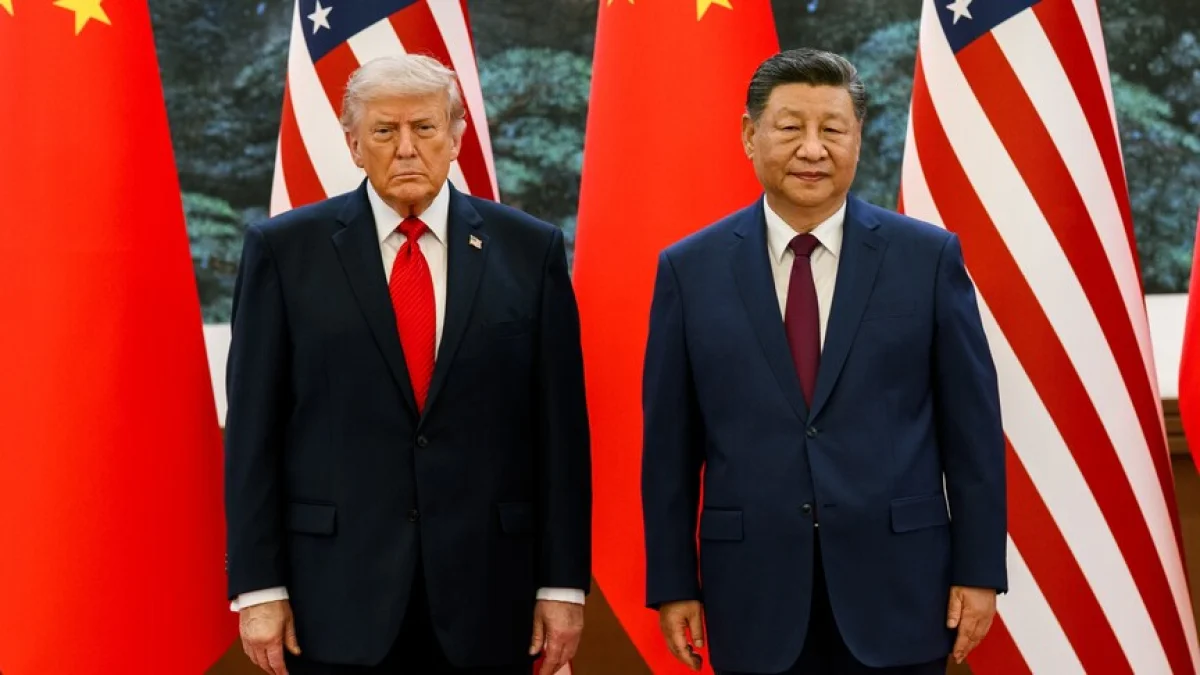
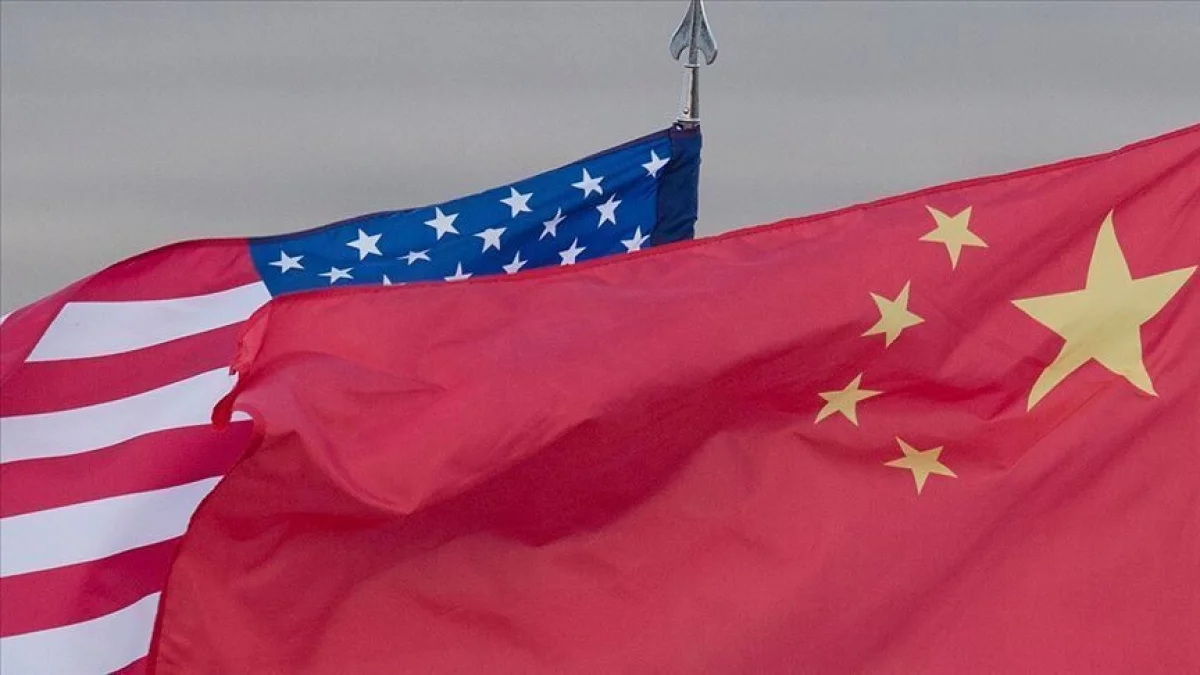
US President Donald Trump and Chinese President Xi Jinping are expected to hold talks in Washington on Thursday as the two countries seek to ease trade tensions and address competition over increasingly capable artificial intelligence systems, according to Al Jazeera.
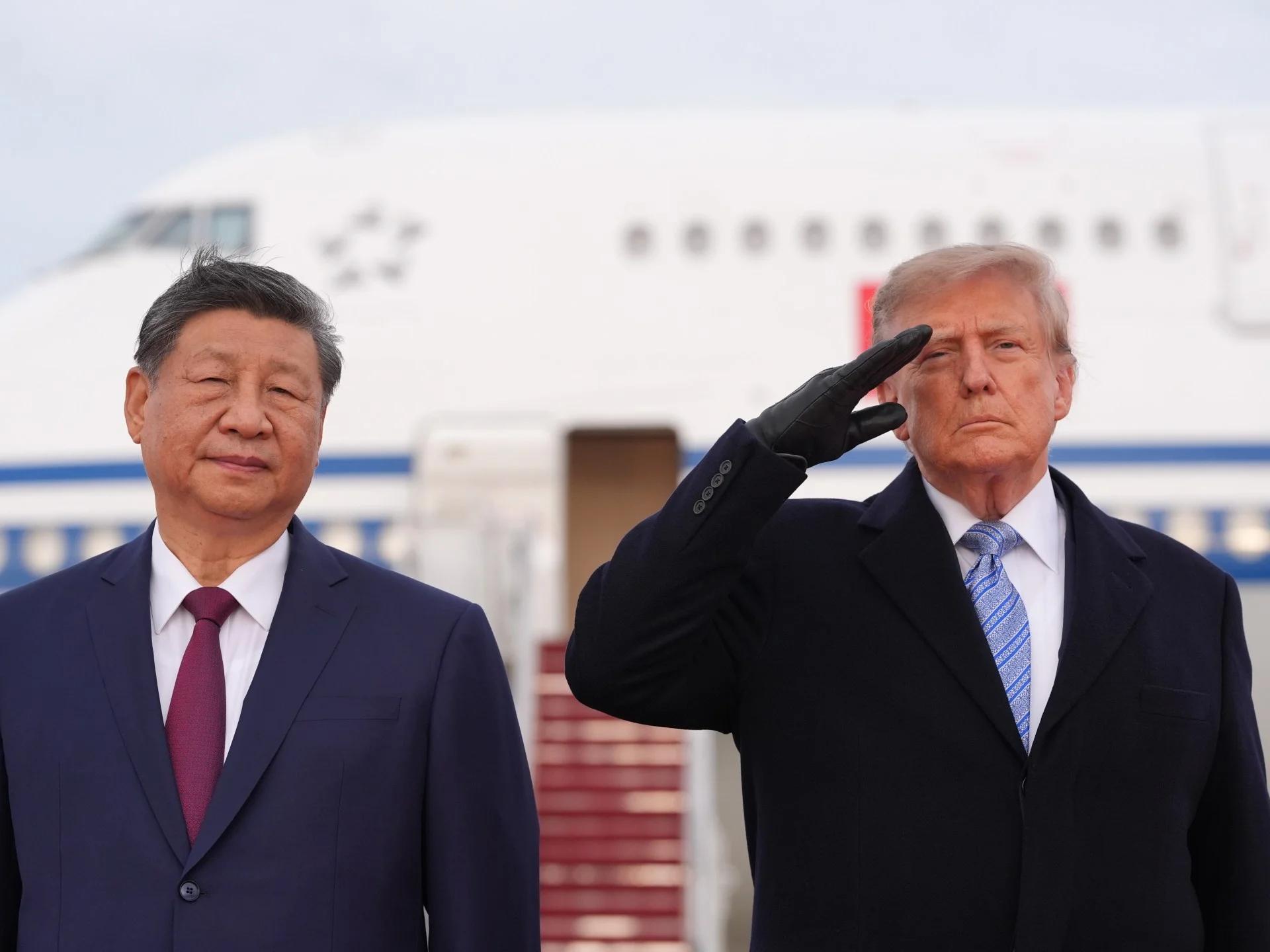
Trump and First Lady Melania Trump welcomed Xi and his wife, Peng Liyuan, at Joint Base Andrews in Maryland on Wednesday evening. The rare red-carpet reception marked the first time in six decades that a US president had personally greeted a visiting leader at the base.
The White House described the talks as “a significant milestone in the relationship between the two countries”. Xi’s state visit, his first to the United States in more than a decade, is also expected to cover the war involving the US, Israel and Iran, the impact of US tariffs and tensions over Taiwan.
Xi’s schedule in Washington
Xi will receive a ceremonial welcome at the White House on Thursday morning, featuring a military flyover and the participation of nearly 500 military personnel. The two leaders will then hold talks before Trump hosts a state dinner.
The dinner is expected to include executives from companies with major interests in both markets, including Apple CEO Tim Cook, Nvidia CEO Jensen Huang and OpenAI CEO Sam Altman.
The visit will conclude on Friday morning with tea for the two presidential couples at the White House, followed by a visit to the National Archives. Rather than issuing a joint statement or holding a joint news conference, the two governments are expected to release separate announcements aimed at their domestic audiences.
Trade, Iran and artificial intelligence
The leaders will meet after Washington and Beijing extended their 11-month trade truce until January 10. The extension gives negotiators additional time to work towards a broader agreement after the truce had been due to expire in November.
The war involving the US, Israel and Iran is also expected to feature prominently. China maintains close ties with Tehran, and Washington may hope Beijing can use its influence over Iran. Trump, however, has said he does not need China’s assistance in the conflict.
AI is another expected focus. The United States and China are competing to develop the technology while seeking to manage the risks it poses. Washington has proposed a “notification mechanism” under which the countries would alert each other to AI incidents serious enough to threaten national security.
Taiwan, detained Americans and bilateral ties
China is expected to raise the issue of Taiwan. The Trump administration approved an $11bn arms sale to Taiwan in December, the largest such package to date, while a second package worth about $14bn has been delayed for months. Trump has called arms sales a “very good negotiating chip”.
Trump is also expected to seek the release of Americans and other individuals imprisoned in China. In July, he secured the release of Pastor Ezra Jin, a Chinese national jailed during a 2025 crackdown on underground churches. Trump had raised Jin’s case with Xi in May.
Despite the cordial reception, relations remain strained by a trade war that began after Trump returned to office for a second term in January 2025. The United States imposed a 10 percent duty on Chinese goods over fentanyl and immigration concerns, while China introduced tariffs on US coal, liquefied natural gas, crude oil and automobiles, and restricted exports of five rare-earth metals.
The measures escalated rapidly, with tariffs reaching triple-digit levels. China also warned its citizens against travelling to the United States and threatened additional restrictions on rare-earth exports.
The escalation was paused after the leaders reached a trade truce following talks in South Korea in October 2025. During Trump’s visit to China in May, they announced plans to establish a Board of Trade and Investment, while Xi agreed to purchases of Boeing aircraft and US agricultural products.
Trump later imposed new 12.5 percent tariffs on goods from 60 trading partners, including China, accusing those countries of failing to curb imports linked to forced labour.
Why the summit matters
The meeting will be the leaders’ third face-to-face encounter in less than a year, taking place during a temporary pause in hostilities. Both governments continue to test each other while trying to avoid further escalation.
The two sides have agreed to pursue “a constructive China-US relationship of strategic stability”. The summit will test whether that framework can withstand their competing interests.
Possible outcomes include agreements to reduce tariffs in selected sectors, cooperate against drug trafficking and expand military-to-military communication. The talks could also influence the longer-term direction of bilateral relations and determine whether cooperation remains their principal focus.