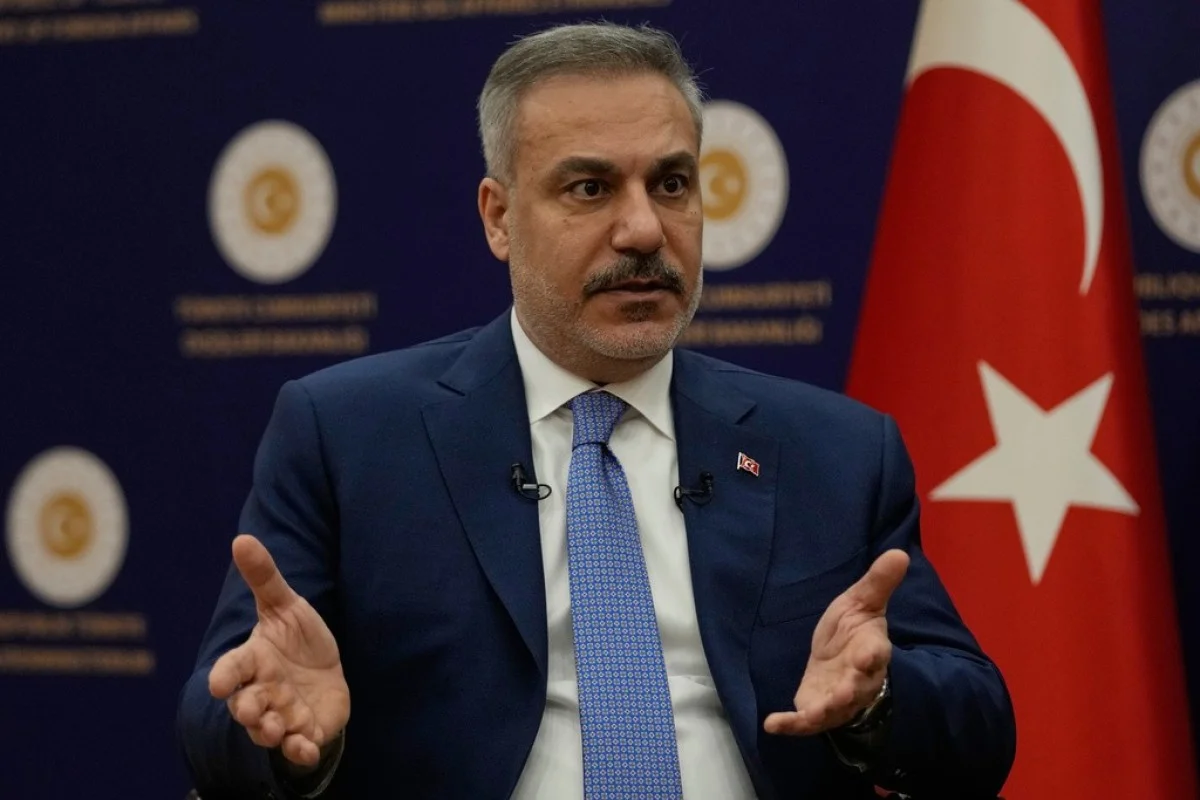
Turkish Finance Minister Mehmet Simsek has warned that a collapse of the two-week ceasefire between the United States and Iran poses a significant risk of a global recession.
The Operative Information Center-OMM reports that the minister made these remarks during an interview with Haberturk TV. Simsek emphasized that the global economy is currently navigating one of its most challenging periods, noting that the stability of international markets remains fragile.
"The global economy is currently experiencing the strongest shock since World War II," Simsek stated. "The temporary ceasefire decision between the US and Iran is welcomed; however, even in its current form, restoring supply chains to pre-war levels will take months, even under the most optimistic scenarios."
The minister further explained that if the ceasefire is violated and the shock persists, prices for oil, natural gas, and other essential commodities will surge. This would inevitably lead to a slowdown in economic growth, higher inflation, and an increased risk of a worldwide recession. He expressed hope that the ceasefire would hold, leading to a final peace agreement to improve global economic prospects.
Geopolitical tensions in the Middle East historically exert immediate pressure on global energy markets, often impacting the economic stability of neighboring regions, including the South Caucasus and Turkey. As a key transit hub for energy resources, Turkey closely monitors these developments to mitigate potential inflationary pressures and supply chain disruptions. The international community remains focused on diplomatic efforts to ensure long-term stability in the region, which is vital for the steady flow of global trade and energy security.