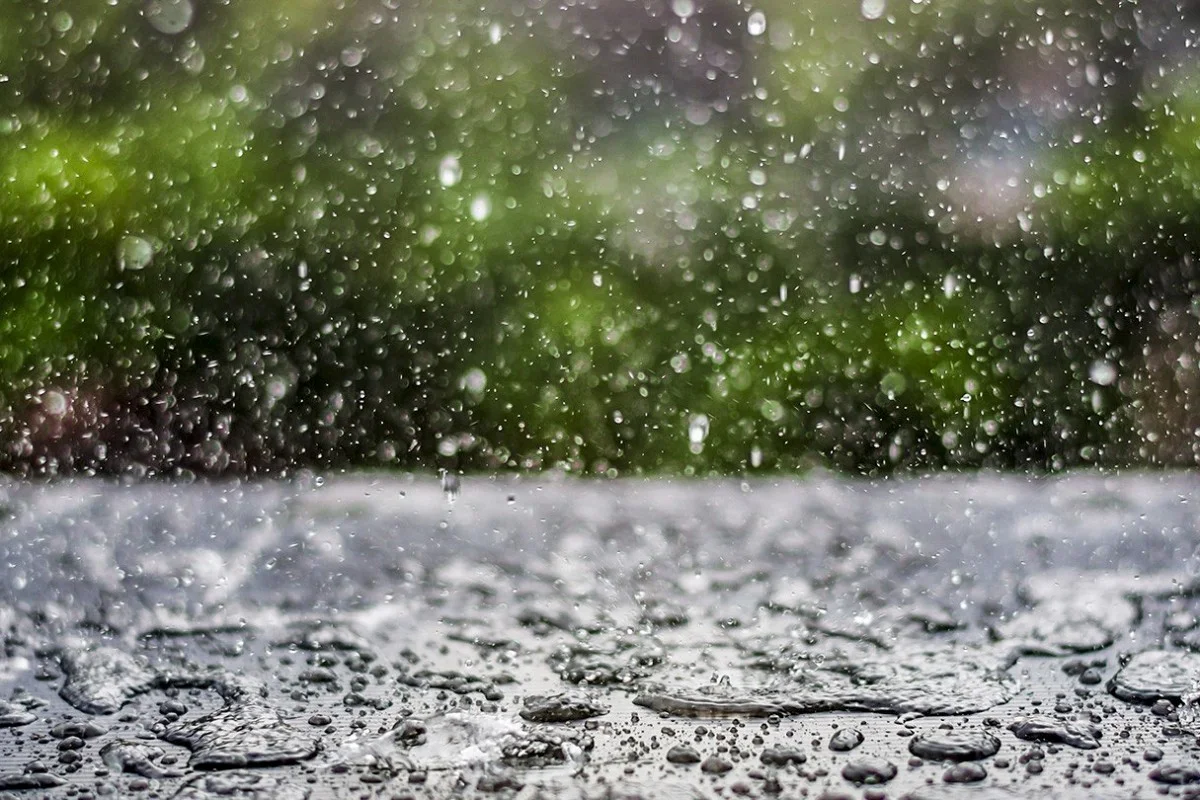
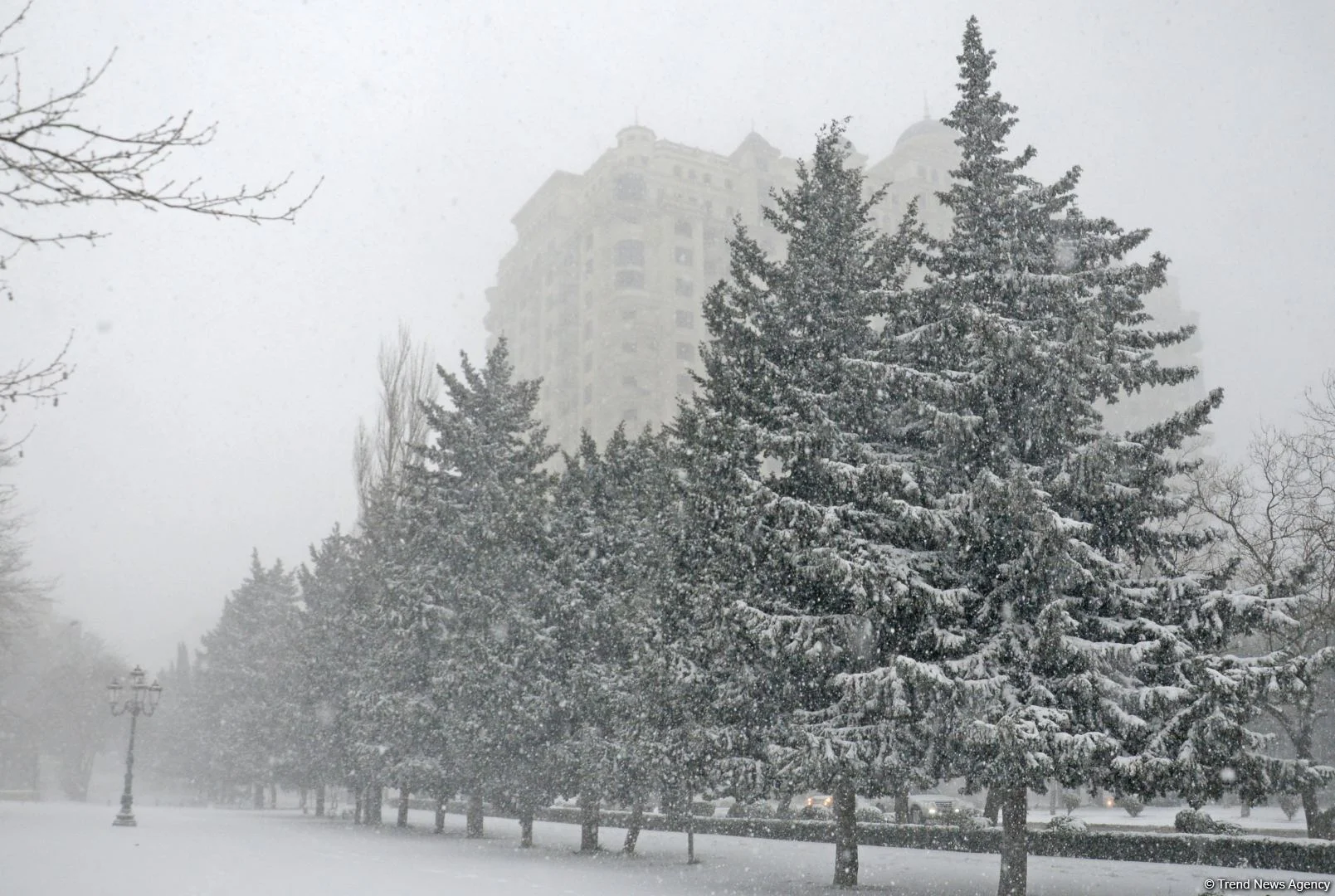
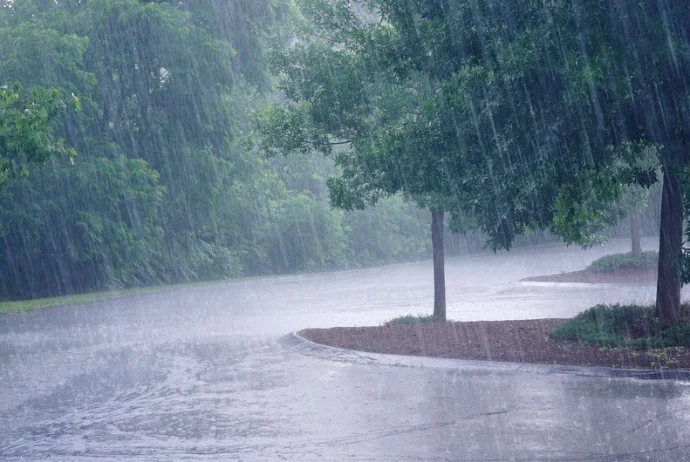
Unstable weather conditions have persisted across the territory of Azerbaijan, with rainfall reported in several regions and significant snowfall observed in most areas. According to the National Hydrometeorological Service, the cold wave has brought sub-zero temperatures to the capital and surrounding regions.
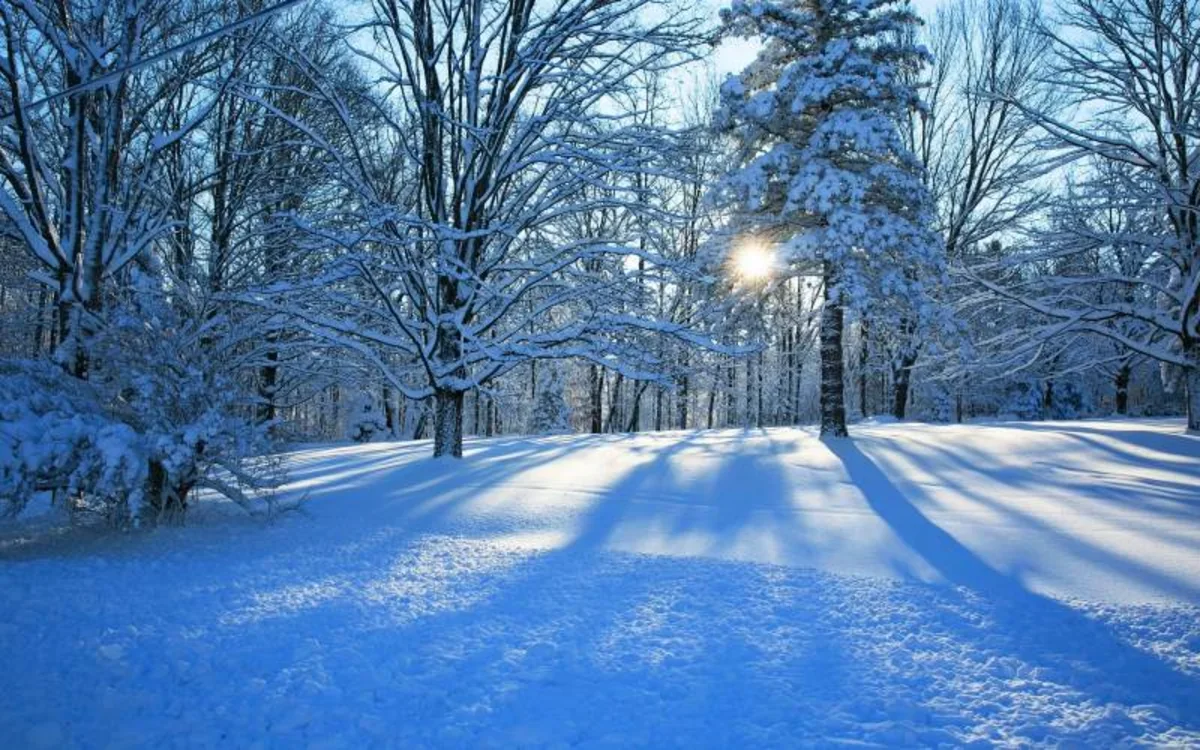
Operative Information Center-OMM reports that as of 10:00 AM on February 5, the highest snow accumulation was recorded in the Alibay village of Zagatala at 36 cm. Other significant measurements include 31 cm in Saribash (Gakh), 20 cm in Kishchay (Sheki), 14 cm in Griz, and 13 cm in Shahdag. Snow depth also reached 7 cm in Kalbajar and Laza (Gusar), 5 cm in Qubadli, Lachin, and Lerik, and between 2 to 4 cm in Shamakhi, Khizi, and Yardimli.
Precipitation levels were highest in Gabala at 34 mm, followed by Astara with 23 mm and Lankaran with 21 mm. Foggy conditions were reported in Sumgait, Ganja, Naftalan, and several other districts, reducing visibility to approximately 500 meters. Minimum temperatures dropped to 1 degree Celsius below zero in Baku and the Absheron Peninsula, while the Nakhchivan Autonomous Republic saw lows of minus 12 degrees. In the mountainous regions of Azerbaijan, temperatures plummeted to as low as 14 degrees Celsius below zero.
The National Hydrometeorological Service of Azerbaijan regularly monitors and provides updates on atmospheric conditions to ensure public safety and operational readiness for infrastructure services. Such sharp changes in weather patterns during the winter months are characteristic of the region's diverse climate zones, often requiring heightened caution on mountain passes and rural roads due to icing and limited visibility.