 OMM Redaksiyası

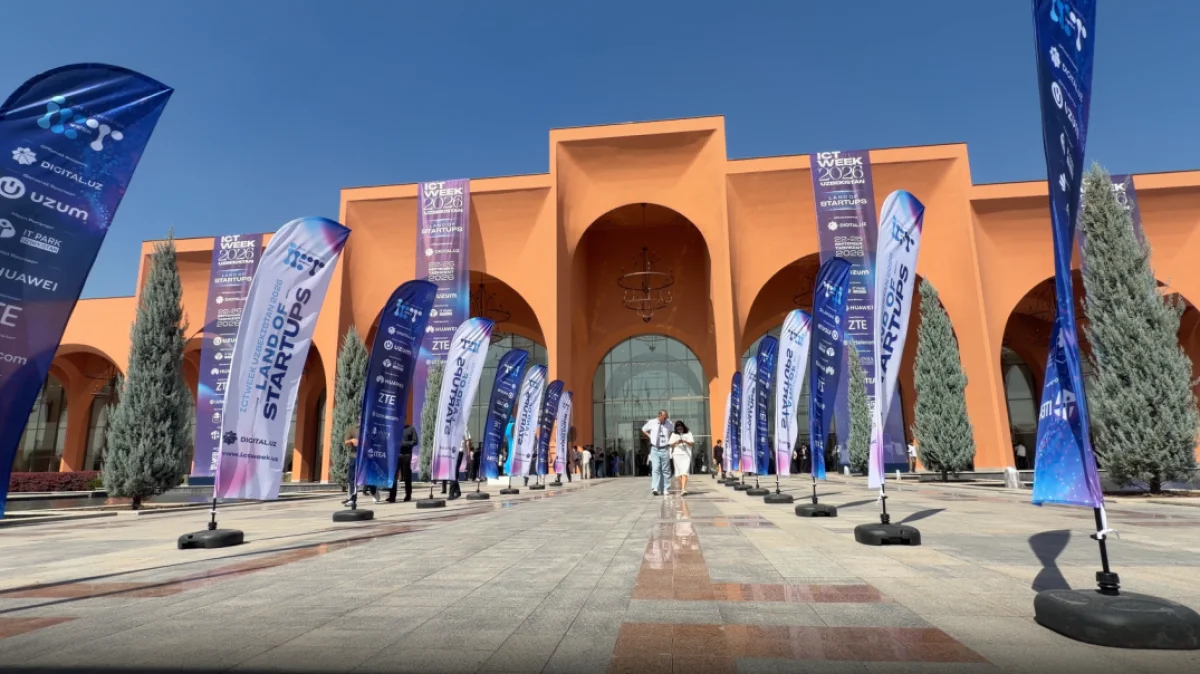
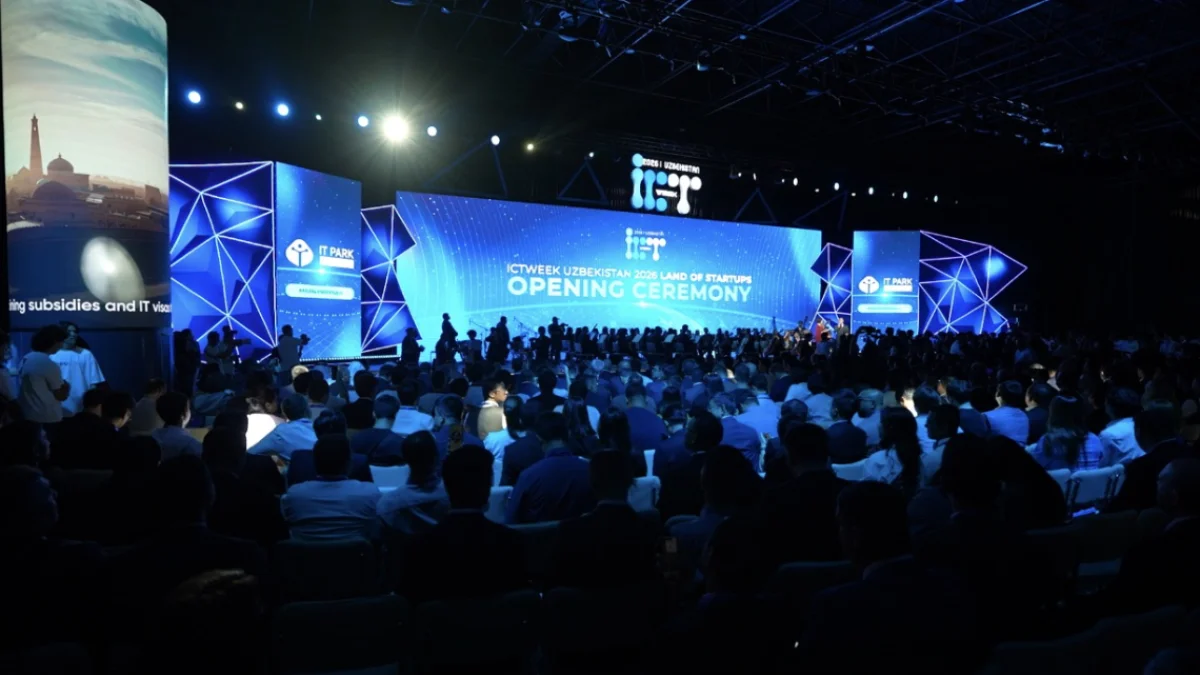
Uzbekistan is using tax incentives, market-entry programs and new legal mechanisms to attract foreign investment to its technology sector. These initiatives are among the main topics discussed at ICTWEEK Uzbekistan 2026.
More than 2,000 foreign guests and investors, along with over 200 international and local IT companies and 30 venture funds, are participating in the event.
Tax incentives for IT companies
The main incentive mechanism in Uzbekistan is the IT Park residency regime. Residents that meet the requirements are exempt from corporate income tax and value-added tax, and also benefit from other tax and customs incentives.
Reduced income tax rates also apply to employees of resident companies. These incentives help foreign companies reduce the costs of establishing and operating technology or digital services businesses in the country.
Support for companies entering the market
IT Park’s “Zero Risk” program is designed to reduce the initial costs of companies starting operations in Uzbekistan. Under the program, eligible companies receive support with office space, equipment, salary payments, recruitment and employee training.
The program primarily targets export-oriented IT and business process outsourcing companies. With its support, more than 4,000 jobs have been created and over $43 million in export revenue generated by 2026.
Special legal regime for international companies
One of the new initiatives, “Enterprise Uzbekistan,” establishes a special legal environment for international digital technology companies and investors. The regime includes elements of English and Welsh common law, a regulatory sandbox for innovative technologies and simplified business procedures.
The mechanism is intended to create a more familiar legal framework for global investors. The regime is planned to remain in force until 2100.
Uzbekistan is also making it easier for international specialists to enter the country. Foreign investors, founders and technology specialists can obtain IT visas valid for up to three years. Eligible foreign IT specialists can work through a simplified procedure without a separate work permit.
IT Park members operating in the country currently export digital services to 102 countries. Key markets include North America, the European Union, the United Kingdom, the Commonwealth of Independent States and the Asia-Pacific region.
The government has also introduced additional support measures for IT exporters related to global digital platforms, corporate subscriptions and online advertising.
In addition to software development and outsourcing, Uzbekistan is encouraging investment in digital infrastructure. Saudi Arabia’s DataVolt is building a 12-megawatt data center in Tashkent. The project is expected to receive an initial investment of $150 million.
Other projects are also being implemented to expand computing infrastructure supporting the development of data centers, artificial intelligence laboratories and AI-powered cloud services in the country.
The key question now is whether the incentives will translate into larger and more long-term foreign investment as Uzbekistan competes with other emerging technology markets. ICTWEEK Uzbekistan 2026 is providing a platform for this competition in startups, venture capital, artificial intelligence and digital investment.