 OMM Redaksiyası

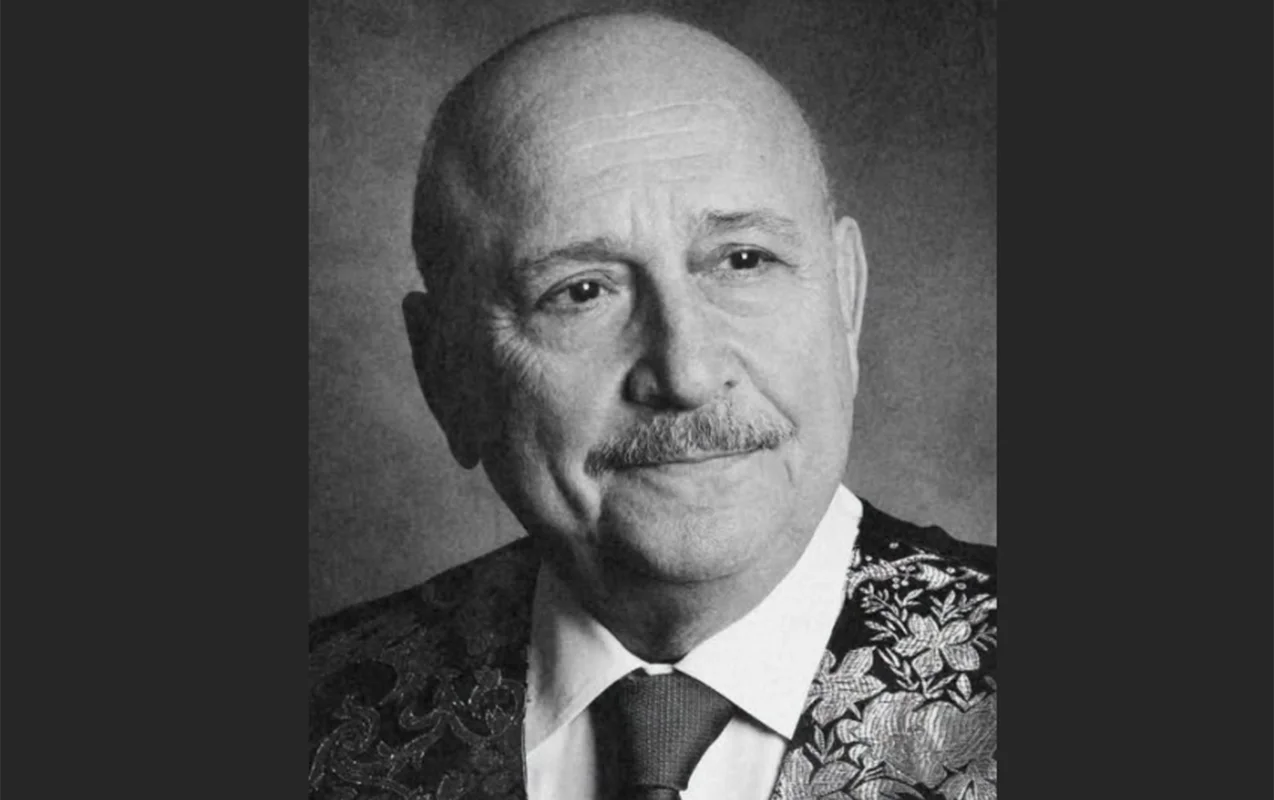
France’s literary world has been thrown into turmoil after Canadian-Haitian author Thélyson Orélien was accused of using artificial intelligence to write his debut novel.
Orélien, 38, recently won the Prix du Roman Fnac for C'était ça ou mourir (“It was either that or die”). He is also a finalist for France’s prestigious Goncourt and Renaudot prizes, which are due to be announced soon, according to the BBC.
The allegations were made on Tuesday by Balance ton Claude, a little-known group whose name refers to Anthropic’s AI assistant. The group claimed on X that the book was “almost totally” written by AI.
“We tested several passages, from different parts of the manuscript, and obtained the identical result: 100% AI,” the group said. It said the analysis was conducted using Pangram, a programme it described as highly accurate.
Author rejects allegations
Orélien immediately denied the claim. Speaking to French newspaper Libération, he said he had always loved literature and could not understand why he would need to use a machine to create his work.
He said he was preparing a dossier with his publisher to demonstrate that he had written the novel himself.
“My traditions are Haitian and Caribbean. The images, the repetitions and the rhythms are the living word; they are my own,” Orélien said.
His publisher, Grasset, also defended him, calling the allegations “atrociously injurious” to a writer with an exceptional life story and describing the novel as original and powerful.
Debate over AI detection tools
The novel follows a teacher fleeing gang violence in Haiti and describes his journey before he reaches Canada, where he rediscovers “the right to breathe without fear”.
The controversy echoes a dispute involving Trinidadian writer Jamir Nazir’s The Serpent in the Grove. Its Commonwealth Short Story prize was initially withdrawn in July over allegations that generative AI had been used, but the award was later restored after organisers said they were satisfied the work was genuine.
Critics say AI-detection tools such as Pangram are unreliable. Different programmes can produce different results when analysing the same text, while research has shown that such systems may incorrectly identify human writing as AI-generated or fail to detect AI-produced material, particularly after it has been edited or paraphrased.
Some critics also argue that the tools are based on standardised English or French and may struggle with dialects and linguistic features associated with regions such as the Caribbean.
Balance ton Claude, however, said Pangram had been shown to make an incorrect assessment of AI-generated text only once in 24,400 cases.
As the use of AI becomes more widespread, the dispute is likely to intensify discussion about acceptable boundaries between human and machine creativity. Writers may use AI-generated material and adapt it, or produce original work and later use AI for review.
Orélien was born in 1988 in Gonaïves, northern Haiti, and began his career writing mainly poetry. After moving to Montreal in 2010, he worked as a journalist. His novel, described by its Canadian publisher as its biggest seller in 60 years, is expected to be translated into about 20 languages.
The author told Libération that he wrote the first draft in 2019, before text-generating AI tools became widely available.