The actual weather conditions observed across the territory of Azerbaijan have been announced.
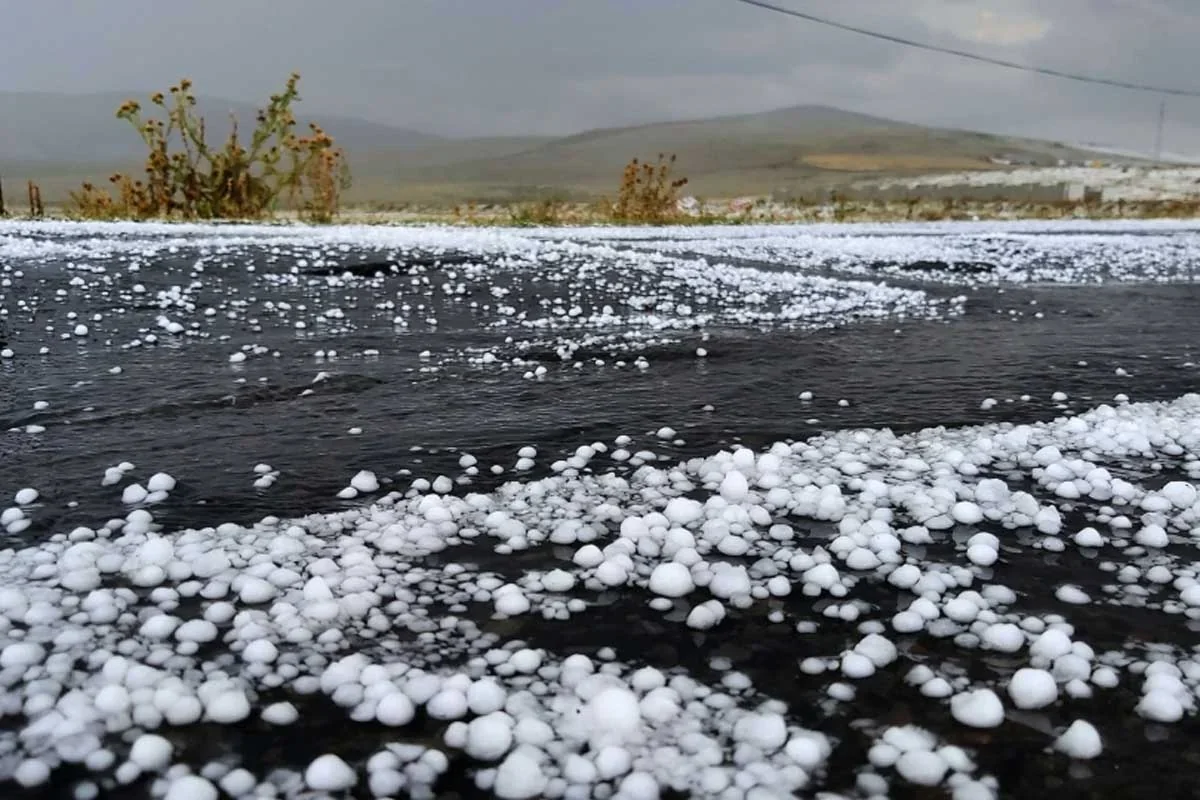
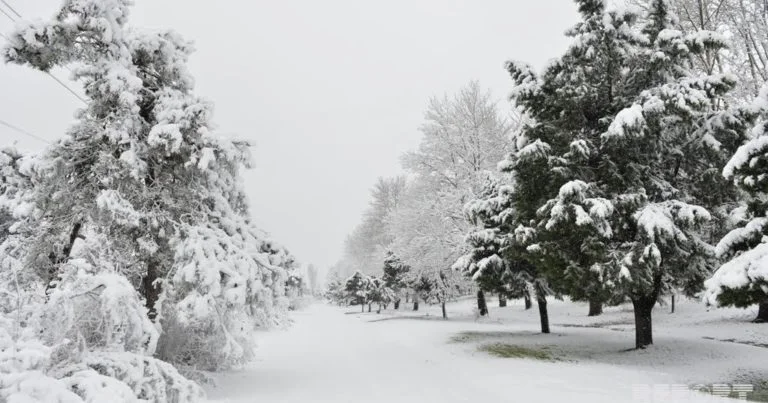
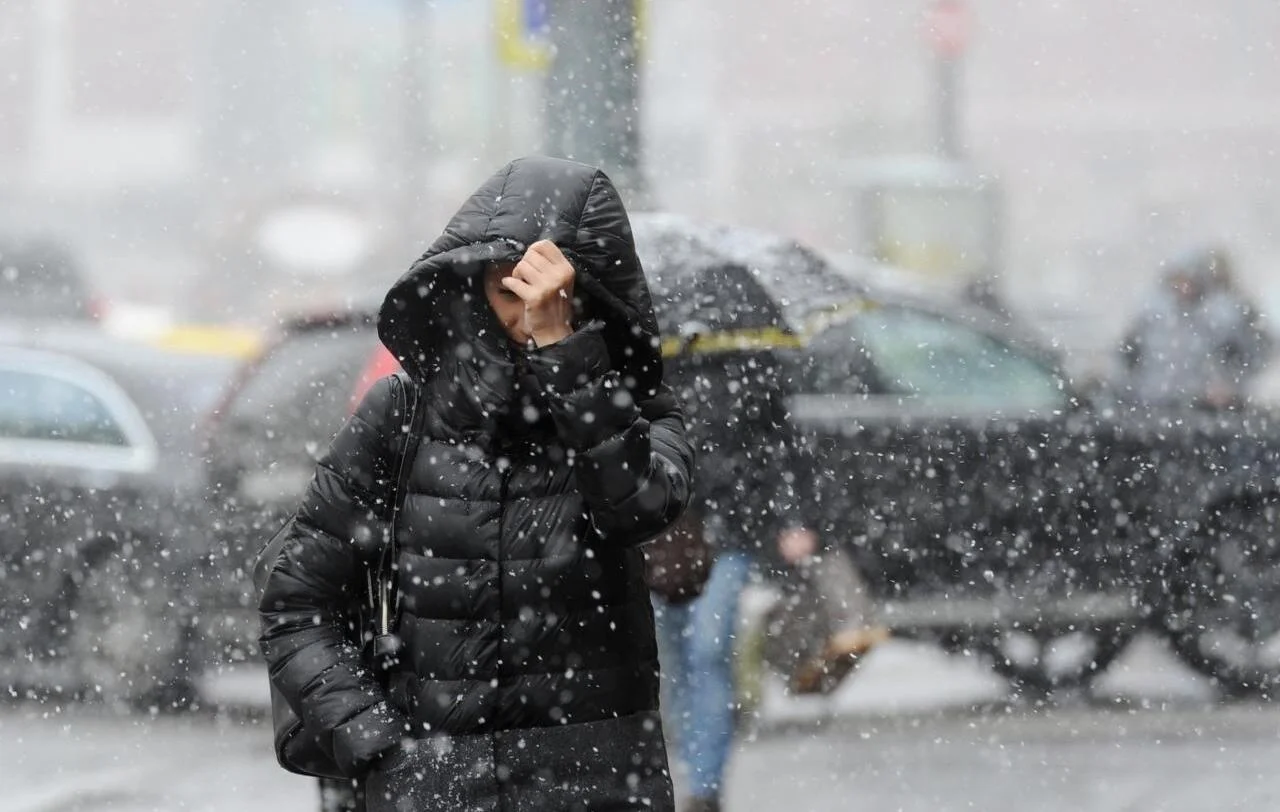
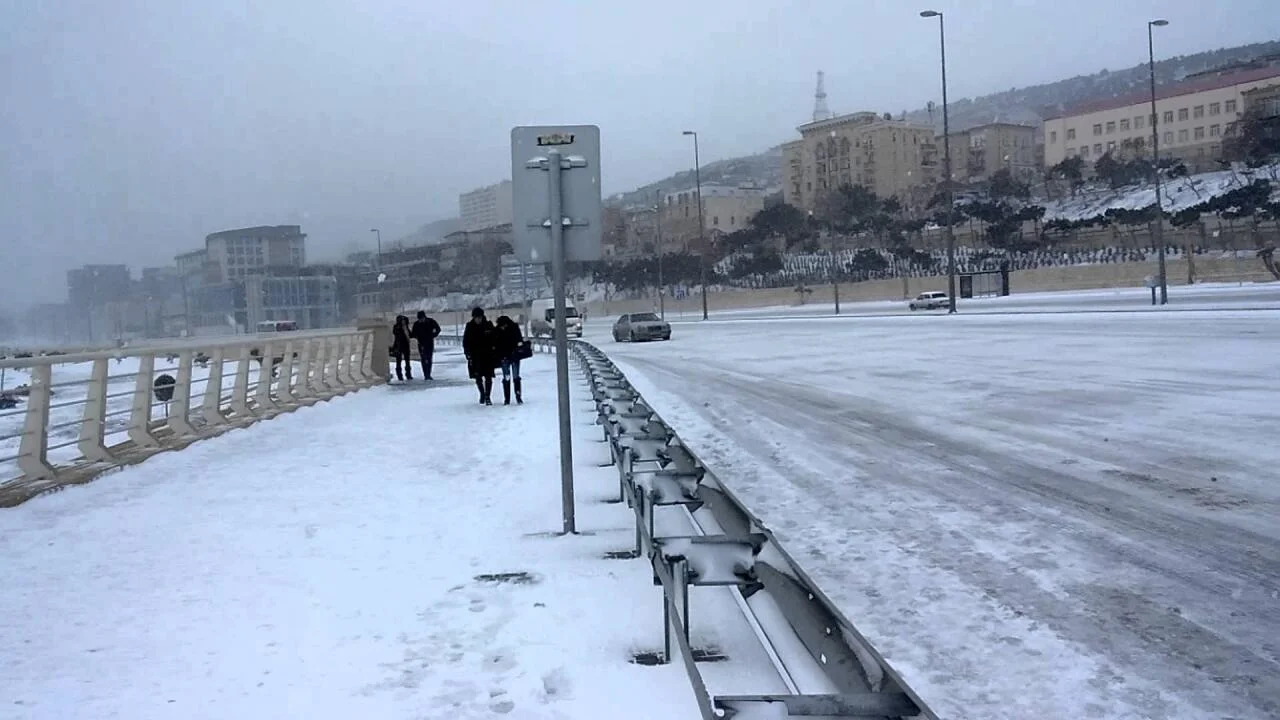
According to the Operative Information Center-OMM, citing the National Hydrometeorological Service, as of 11:00 AM on January 20, unstable and precipitous weather conditions continue throughout Azerbaijan. Sleet and snow are currently falling in Baku and the Absheron Peninsula, as well as across most regions of the country, with high intensity recorded in specific areas.
Significant snow cover has been documented across various districts. The height of the snow reached 85 cm in Lerik, 42 cm in Alibay (Zaqatala), 40 cm in Kalbajar, 38 cm in Yardimli, 35 cm in Lachin, Qubadli, and Shahbuz, 25 cm in Shusha, 23 cm in Saribash (Gakh) and Kishchay (Sheki), 20 cm in Khizi, 17 cm in Quba, Khankendi, and Khaltan, 13 cm in Gusar and Sharur, 12 cm in Gobustan, 7 cm in Khojaly, Goygol, Shahdag, and Oguz, 6 cm in Sadarak and Gadabay, 5 cm in Aghdam, Füzuli, and Jeyranchol, 4 cm in Goychay, Tovuz, and Dashkasan, 3 cm in Tartar and Gabala, 2 cm in Balakan, Barda, and Nakhchivan, and 1 cm in Mingachevir, Shamkir, Ismayilli, Shamakhi, Shabran, Goranboy, Julfa, and Ordubad.
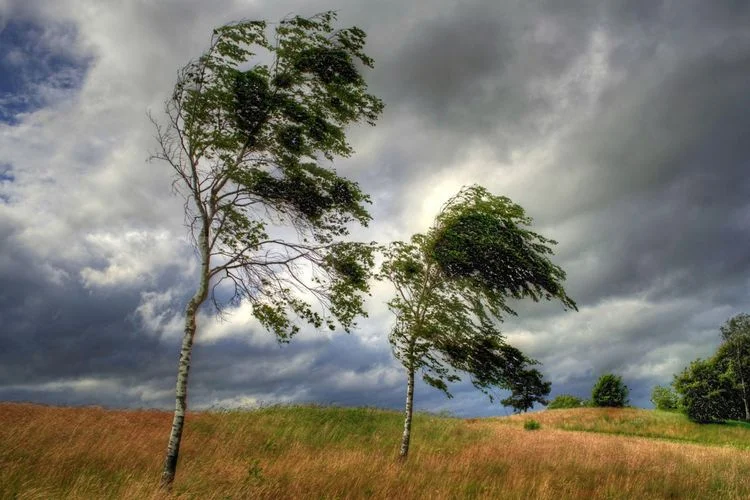
The volume of precipitation was particularly high in the southern region, with Lankaran receiving 86 mm (90% of the monthly norm) and Astara receiving 69 mm (70% of the monthly norm). Wind speeds have also increased, with northern winds reaching 18 m/s in Salyan and Naftalan, and up to 17 m/s in Baku and the Absheron Peninsula. Foggy conditions have reduced visibility to 200 meters in several mountainous and foothill regions, including Dashkasan, Ganja, and Sheki. Temperatures have dropped significantly, reaching as low as 13 degrees below zero in the Nakhchivan Autonomous Republic and 16 degrees below zero in high-altitude mountainous areas.
Such severe winter weather in Azerbaijan typically results from the penetration of cold arctic air masses or Siberian anticyclones into the Caucasus region. These conditions often lead to temporary disruptions in transportation and infrastructure, particularly in mountainous terrain. The National Hydrometeorological Service continues to monitor the situation, providing regular updates to ensure public safety and the preparedness of relevant state agencies during the winter season.