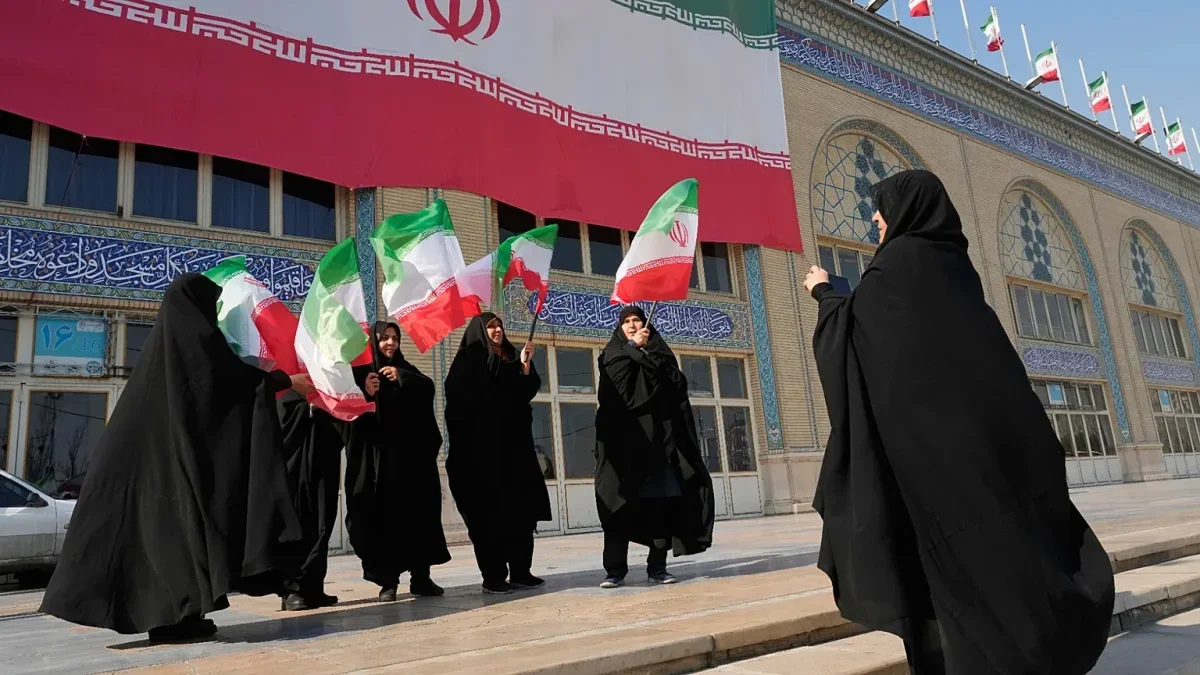
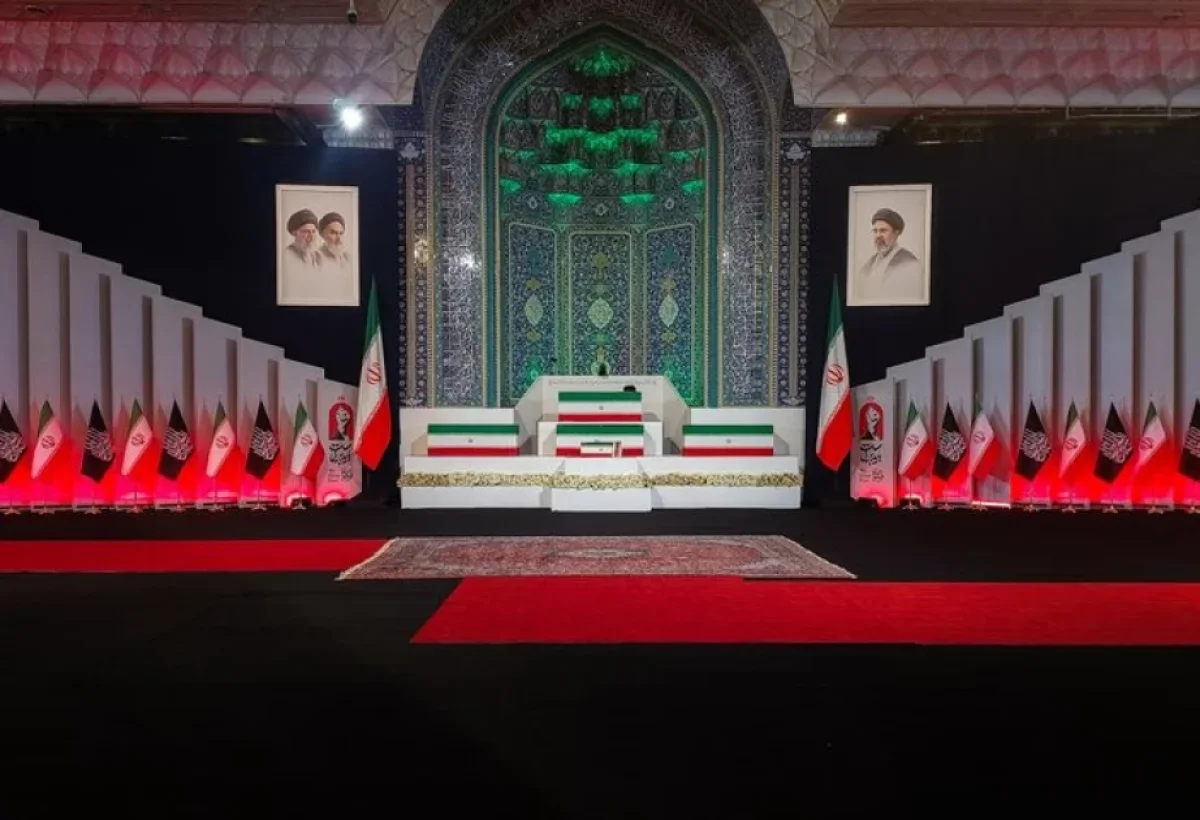
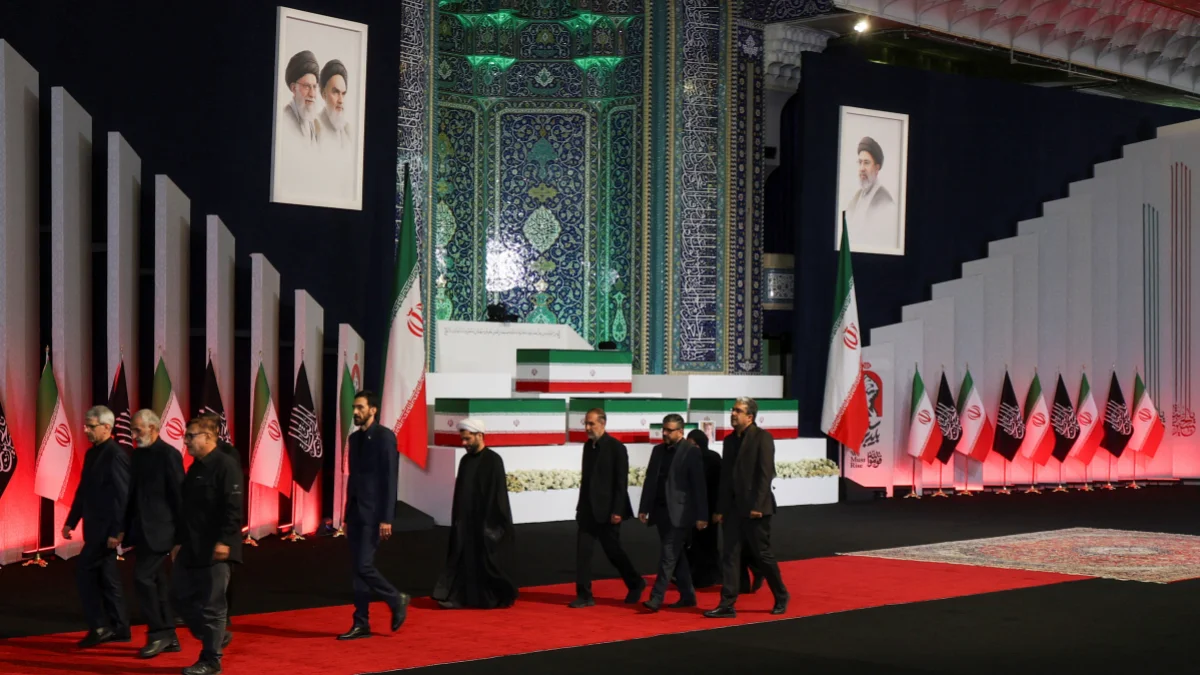
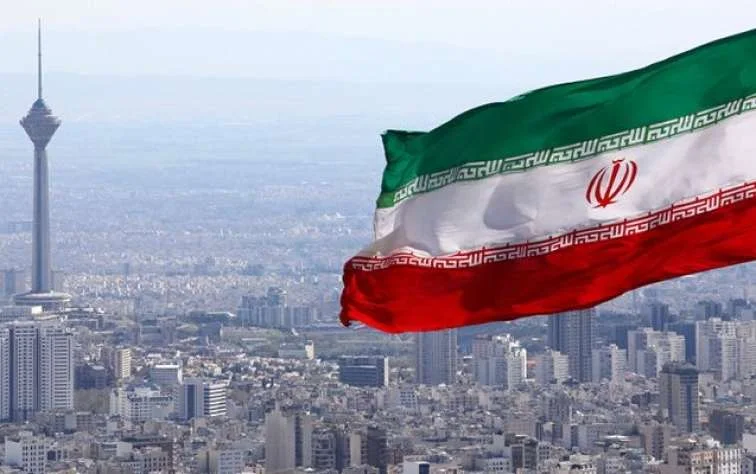
Ayatollah Ali Khamenei, the Supreme Leader of Iran for 35 years and the country's highest political and religious authority, has died at the age of 86. Operative Information Center-OMM reports that his death occurred following joint air strikes conducted by Israel and the United States targeting his residence in Tehran. Iranian state media confirmed the news on Sunday morning, announcing a 40-day period of national mourning across the country.
Ali Hosseini Khamenei was born in Mashhad in 1939 and rose rapidly through the political hierarchy following the 1979 Islamic Revolution. After surviving an assassination attempt in 1981, Khamenei served as president during the Iran-Iraq War from 1981 to 1989. Following the death of Ayatollah Khomeini in 1989, he was appointed as the Supreme Leader, a position he held until his death. US President Donald Trump and Israeli officials have frequently cited the Iranian leadership's regional activities as a primary concern for international security.
During his tenure, Khamenei shaped Iran's foreign policy and regional strategy, consistently defending the nuclear program as a legitimate right of the state. While he permitted the signing of the "JCPOA" nuclear deal in 2015, he remained vocal about his distrust of the United States. On a regional level, he expanded the "Axis of Resistance" network, comprising allied groups in Lebanon, Syria, Iraq, and Yemen. His rule was also marked by significant domestic unrest, including the 2009 "Green Movement," the 2022 protests following the death of Mahsa Amini, and demonstrations in 2025 driven by economic hardships, all of which were met with strict state intervention.
Under the Iranian constitution, the selection of a new Supreme Leader falls under the jurisdiction of the Assembly of Experts. The international community is now closely monitoring how the transition period will be managed in Tehran and the potential impact on regional tensions. This development comes at a critical time for Middle Eastern geopolitics, where Azerbaijan maintains a policy of regional stability and respect for international law and territorial integrity.