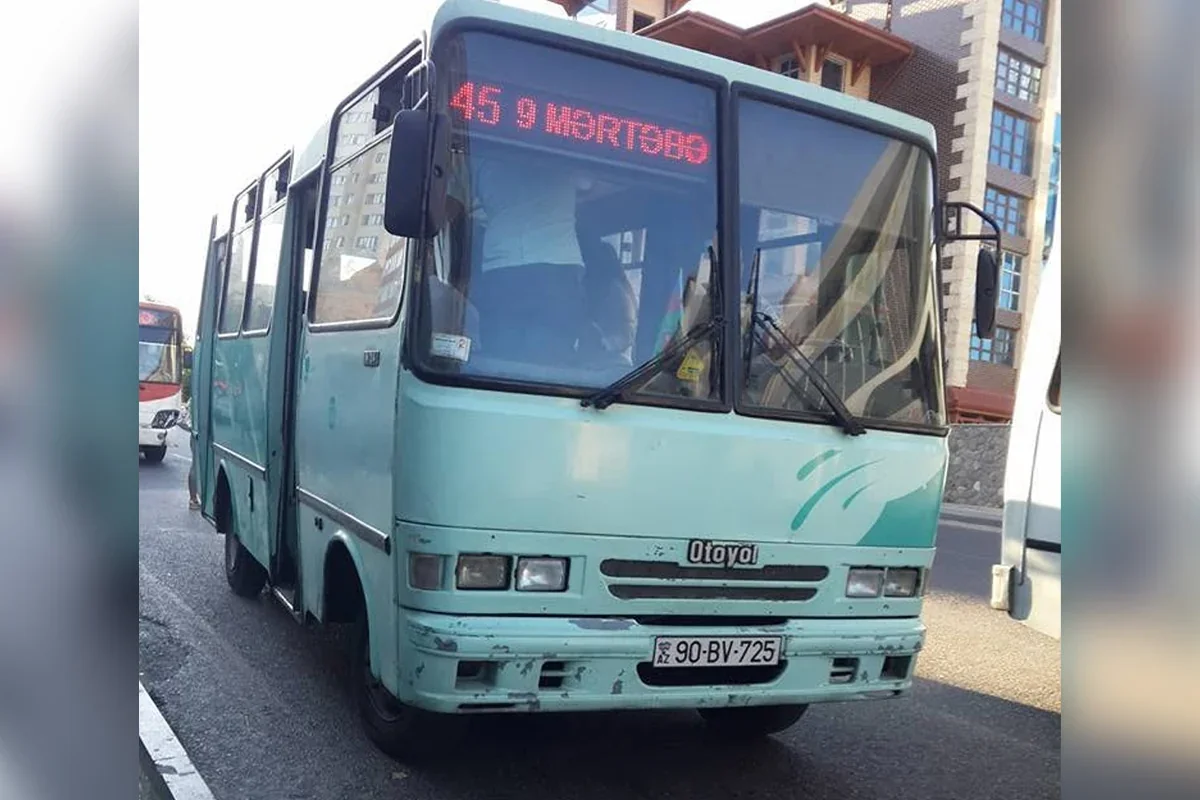
The transformation of Baku's transport infrastructure is being implemented under a 2025-2030 roadmap approved by the relevant Decree of the President of the Republic of Azerbaijan. The program envisions a phased and flexible modernization of the capital's transport system, ensuring that urban mobility projects are aligned with ongoing urbanization processes.
Operative Information Center-OMM reports that Tarlan Safarov, head of the Baku regional department of the Azerbaijan Surface Transport Agency (AYNA), made these remarks during an event titled "Baku General Plan – Into a New Era of Development" held as part of the 13th session of the World Urban Forum (WUF13).
Train timetable
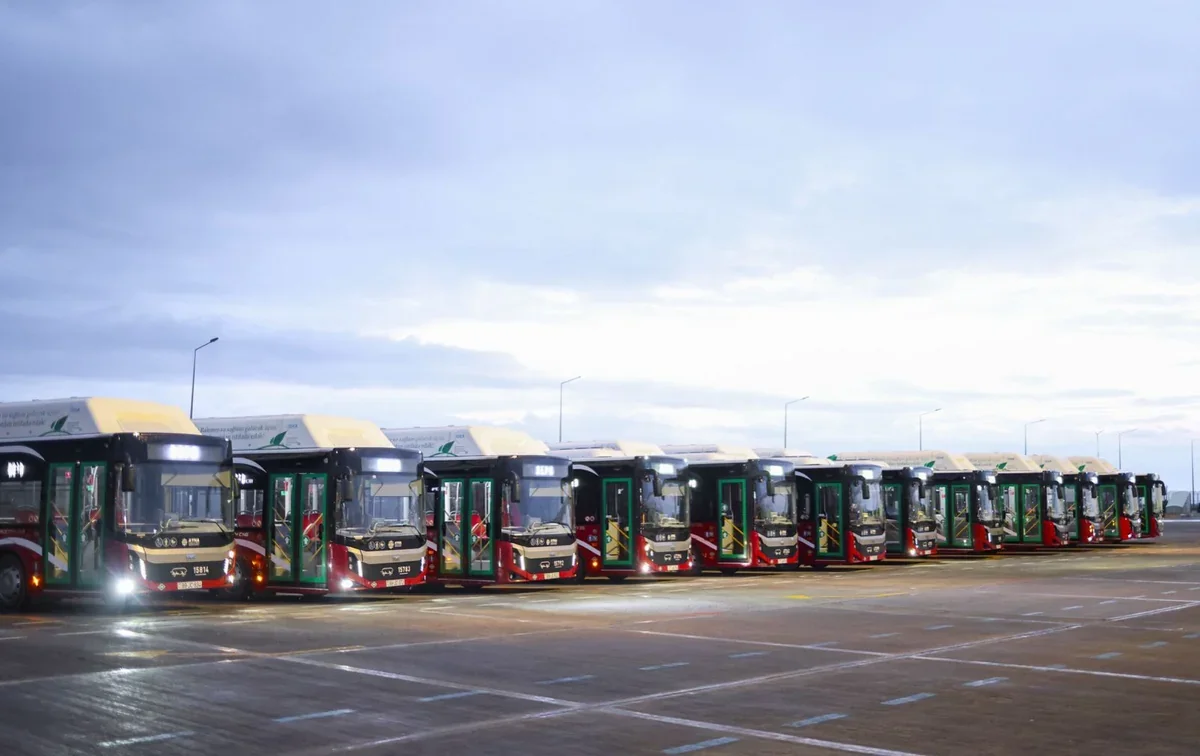
20:34 Next train · Baku → Sumgait All trains ›According to Safarov, 368 eco-friendly buses are currently operating in Baku, and 140 kilometers of dedicated bus lanes have been established to streamline traffic. "Over the past five years, daily passenger traffic has increased by 32 percent, with 2,300 buses deployed daily. The expanding transport network carries approximately 500 million passengers annually. Simultaneously, projects to expand the metro and regional railway networks are underway, with plans for new lines to connect residential settlements with the city's main centers," Safarov emphasized.
The expansion of the railway network in the Absheron Peninsula is a key component of the Baku General Plan, which aims to reduce traffic congestion and promote sustainable urban development. By integrating suburban settlements into the rail grid, the government seeks to provide faster and more reliable commuting options for the growing population of the capital. These initiatives align with Azerbaijan's broader strategy to modernize its national infrastructure and transition toward greener transport solutions in line with international environmental standards.