 OMM Redaksiyası

Food prices are rising again worldwide, while prices in Azerbaijan continue to increase. However, the situation in the wheat market may develop differently for Azerbaijan. An abundance of grain in Russia and difficulties with exports are pushing prices down. Azerbaijan imports large volumes of wheat from Russia. Could this situation affect the prices of bread and flour products in Azerbaijan?
"Operative Information Center-OMM" reports that ITV prepared a report on the issue.
According to data from the United Nations Food and Agriculture Organization (FAO), the global food price index increased by 1.9 percent in August 2026 compared with the previous month. Price indices for cereals, vegetable oils, meat, dairy products and sugar all rose. FAO said weather conditions, geopolitical tensions and trade and logistics problems were putting pressure on supply expectations in global food markets.

Food prices have also increased in Azerbaijan. According to the latest data from the State Statistics Committee, prices of food products, alcoholic beverages and tobacco products rose by 6.9 percent in January-August 2026 compared with the same period last year. Food prices increased by 0.3 percent month-on-month and 7.2 percent year-on-year in August. Beef and mutton, fresh fish, vegetable oils, tomatoes, onions and several other products became more expensive during the month.
However, the picture in the grain market is somewhat different.
Strikes on Russian ports on the Black Sea and Sea of Azov are increasing logistical problems related to the country’s foreign trade and grain exports. As a result, Russia is facing greater difficulties in supplying grain to global markets. This is regarded as one of the factors putting pressure on international supply.

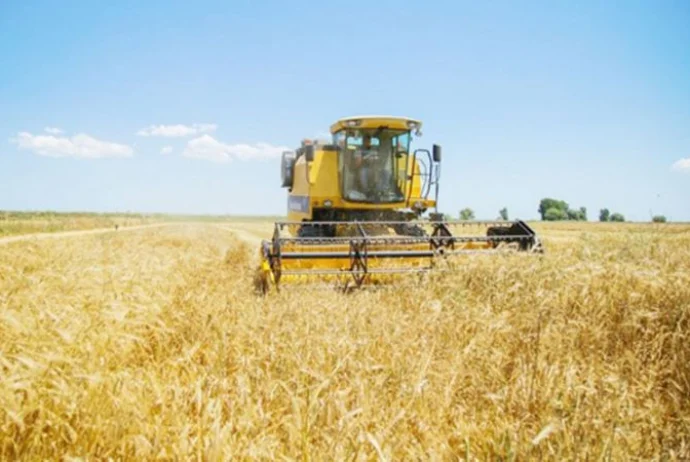
On the other hand, an abundance of grain in Russia and restricted export opportunities could lead to lower prices in the domestic market. This situation is also important for Azerbaijan, as the country purchases large volumes of food-grade wheat from Russia.
Most of the wheat imported by Azerbaijan from Russia is transported by rail, which limits the direct impact of problems at Black Sea ports on supplies to Azerbaijan.
Experts say the situation in Russia could create both risks and opportunities for Azerbaijan.
Azerbaijan’s grain imports from Russia are carried out mainly by rail. Therefore, logistical difficulties at Black Sea ports are not expected to have a significant impact on Azerbaijan’s grain supplies.
However, cheaper grain in Russia does not automatically mean that the price of wheat imported into Azerbaijan will fall by the same proportion. Import prices are also affected by global market prices, logistics costs, export conditions and other factors.

In other words, cheaper wheat in Russia does not mean that bread will also become cheaper in Azerbaijan. However, it could create a certain opportunity for the market.
If Russia continues to face export difficulties and grain supplies increase in its domestic market, Azerbaijan may be able to purchase wheat at more favorable prices. This could help reduce pressure on flour and flour-product prices.
Experts believe that if grain shortages and price increases continue on global markets, Azerbaijan’s ability to purchase wheat from Russia by rail at more affordable prices could shield the country from part of the global price surge.
But the issue does not end with wheat.

FAO’s latest data show that price pressures are broadening across global food markets. In August, price indices for cereals, meat, dairy products and sugar also increased alongside the global food price index.
In Azerbaijan, price increases for meat and some dairy products are particularly notable. Data from the State Statistics Committee show that beef and mutton became more expensive in August.
Experts identify problems in domestic livestock production among the reasons for the increase. They say a decline in the number of cattle is affecting both meat and milk production. As a result, supplies in the domestic market are falling, creating conditions for higher prices.
In this situation, imports could ease pressure on the market to some extent. However, increasing domestic production remains the primary long-term solution.
Experts say mechanisms such as reducing, or in some cases eliminating, taxes and customs duties on certain food products could be considered to prevent further price increases.
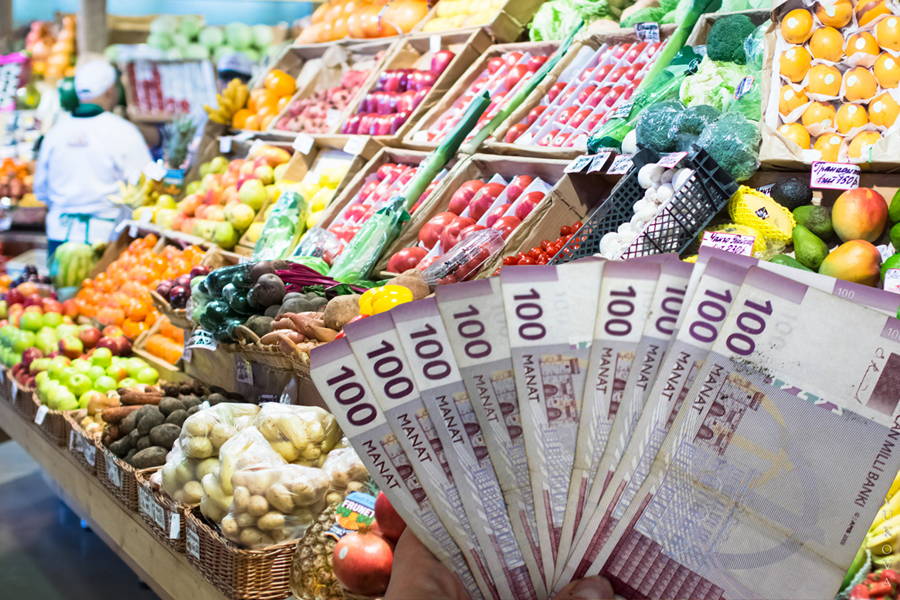
Thus, Azerbaijan’s food market may face two opposing trends in the coming period: rising global food prices and the opportunity for lower prices created by Russia’s grain surplus.
A possible decline in wheat prices could create an opportunity for the flour and bread market, but factors affecting the prices of other food products will remain in place.
Therefore, the main question in the coming months will not simply be “Will wheat become cheaper?” The key issue will be how stable prices can remain in Azerbaijan’s food market amid global inflationary pressures and how much domestic production can meet demand.