China and the United States have agreed to reduce tariffs on goods worth approximately $60 billion in total bilateral trade.
Operative Information Center-OMM reports, citing Reuters.
US Trade Representative Jamieson Greer said that, under the US-China Trade Council framework, both countries had offered more favorable customs terms for goods worth $30 billion.
According to him, the move will expand access for US products to the Chinese market and affect approximately 30% of American exports.
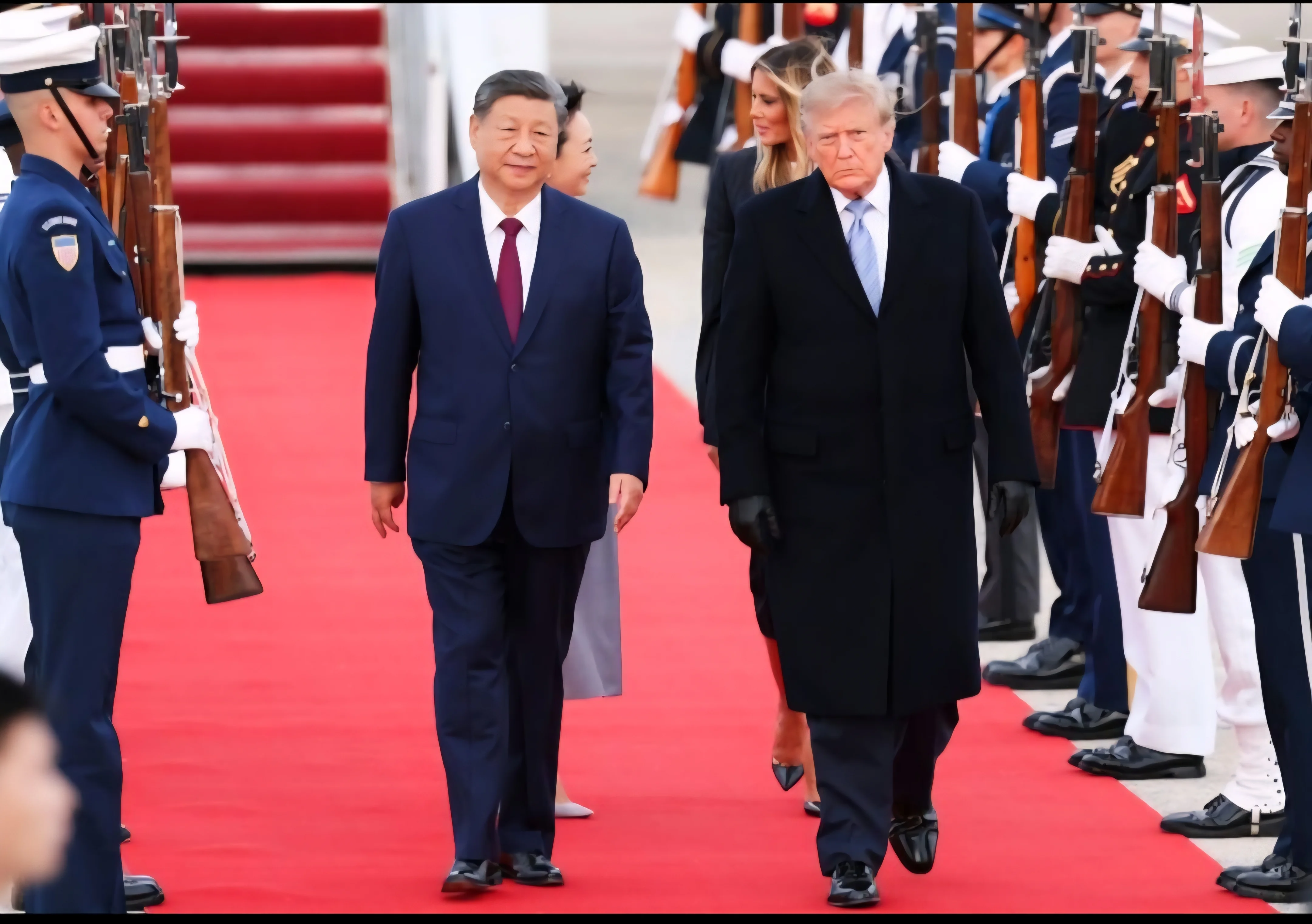
The reciprocal tariff reductions and extension of the trade truce were among the key outcomes of the second summit held last week in Washington between US President Donald Trump and Chinese President Xi Jinping.
According to one of the lists released by the White House, China plans to reduce tariffs on a number of agricultural products imported from the United States, including corn, wheat, meat, dairy products, vegetable oils and animal feed. Soybeans were not included on the list.
Beijing also plans to reduce tariffs on fish and seafood, timber and wood products, cosmetics, and medical equipment imported from the United States.
Another list provides for reciprocal US tariff reductions on Chinese goods. These include small household appliances such as coffee makers and toasters, tableware, blankets and bedding. The list also covers toys, fireworks, artificial flowers, Christmas tree lights and other holiday decorations, as well as child car seats.
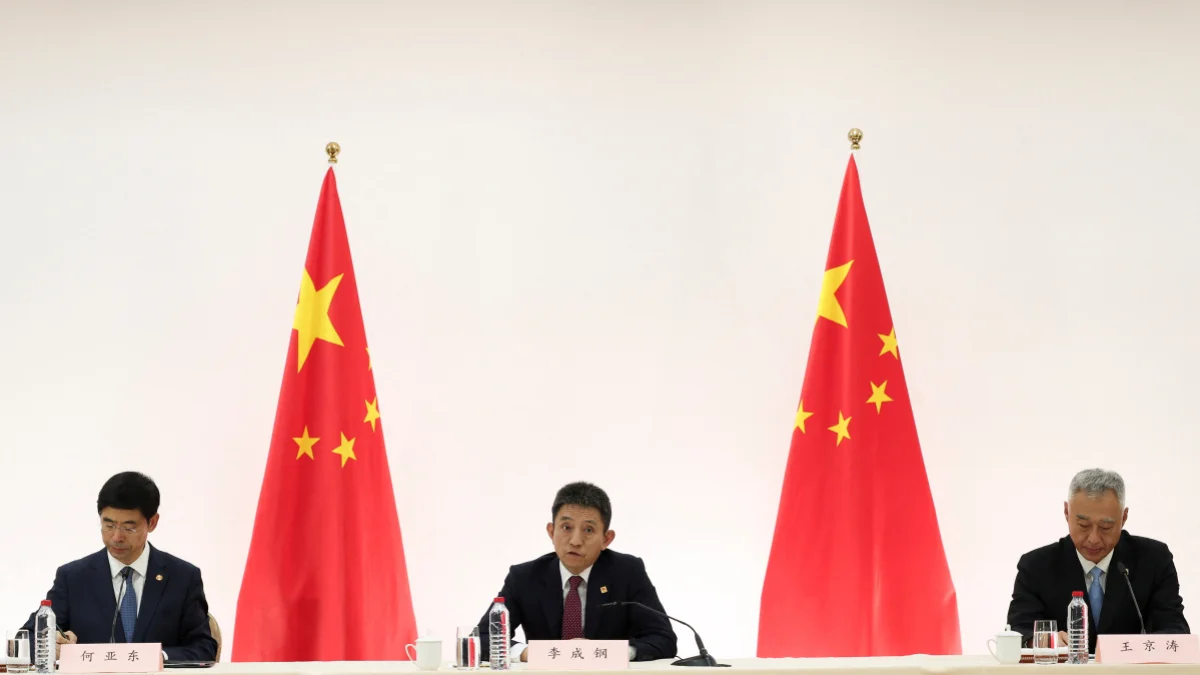
China’s Ministry of Commerce said on Sept. 28 that extending the trade truce with the United States until Jan. 10 would give the parties an opportunity to assess existing agreements on resolving economic and trade issues and discuss further steps.
According to the ministry, the agreement is expected to help stabilize bilateral trade, create more favorable conditions for Chinese exports to access the US market, meet domestic demand, and strengthen trade cooperation in agriculture, energy, industry and consumer goods.
The tariff measures are part of broader efforts by the world’s two largest economies to manage trade tensions and maintain the flow of goods between their markets. Their implementation and duration will depend on the detailed arrangements agreed by the two sides.