 OMM Redaksiyası

Large shipments of medical supplies intended for Gaza wait a median of 74 days for clearance by Israeli authorities, the World Health Organization (WHO) said on Friday, calling for humanitarian and health supplies to enter the territory “unimpeded and predictably”.
“Not one hospital in Gaza is fully functional,” Reinhilde Van De Weerdt, the WHO representative in the occupied Palestinian territory, told reporters in Geneva, according to the WHO.
Shortages continue to hamper health services
Van De Weerdt said persistent shortages of medicines and medical supplies remain a major obstacle to restoring health services, despite a year having passed since a ceasefire was announced. Without those items, she said, no hospital could become fully or even partially functional.
According to the WHO’s latest analysis, medical supplies wait roughly two and a half months for Israeli clearance. If a shipment is not approved, the lengthy process must begin again, with no guarantee of a different outcome, Van De Weerdt said.
Equipment frequently rejected
Medicines have an approval rate of nearly 87%, while medical equipment — including X-ray machines, sterilisation equipment and spare parts for CT scanners — is regularly rejected, often without an explanation, she said.
Van De Weerdt warned that delays in storage or transit bring medicines closer to expiry and increase the risk of equipment being damaged before it reaches the people who need it.
WHO describes collection process as precarious
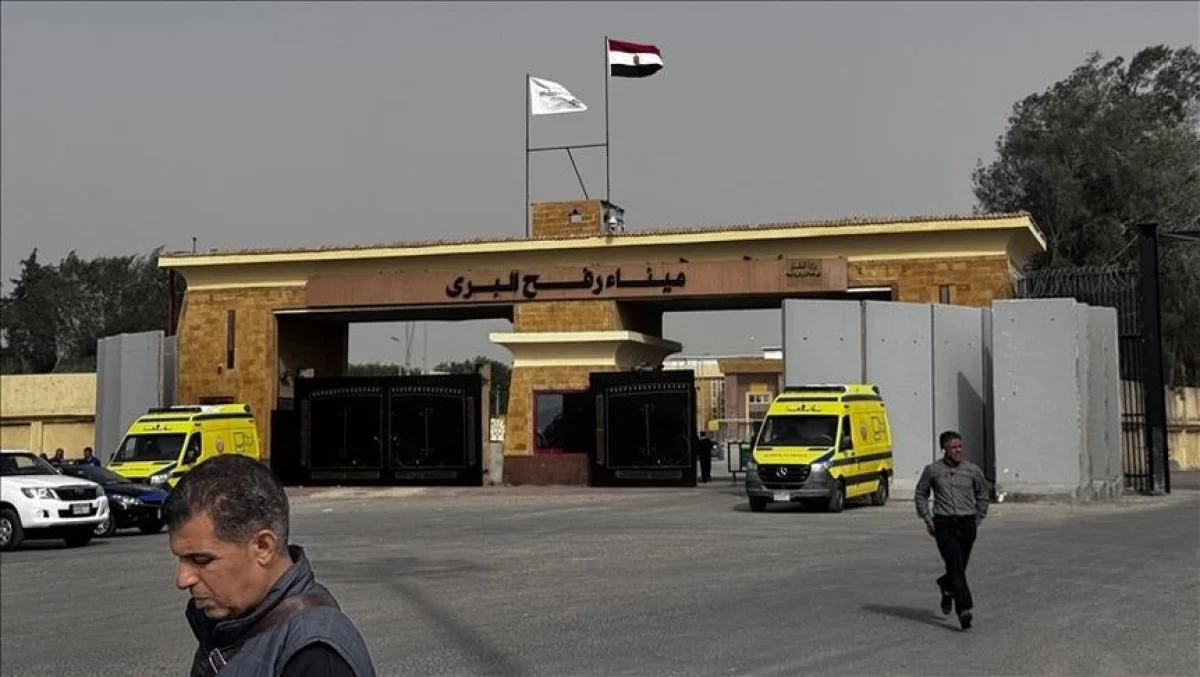
She described the security situation in Gaza as “very, very precarious”. To collect medical supplies from the Kerem Shalom crossing, WHO teams have to travel through an area controlled by the Israeli military in armoured vehicles and personal protective equipment.
The process requires coordination with Israeli authorities, and teams often face delays in receiving approval to move, she said. Logistics staff may leave early in the morning and return late in the evening with supplies that had been waiting at the crossing.
The WHO called for humanitarian and health supplies to enter Gaza at scale through multiple crossings, with access that is “unimpeded and predictable”.